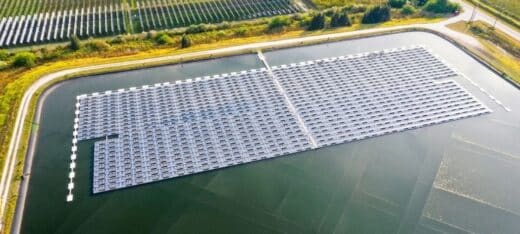
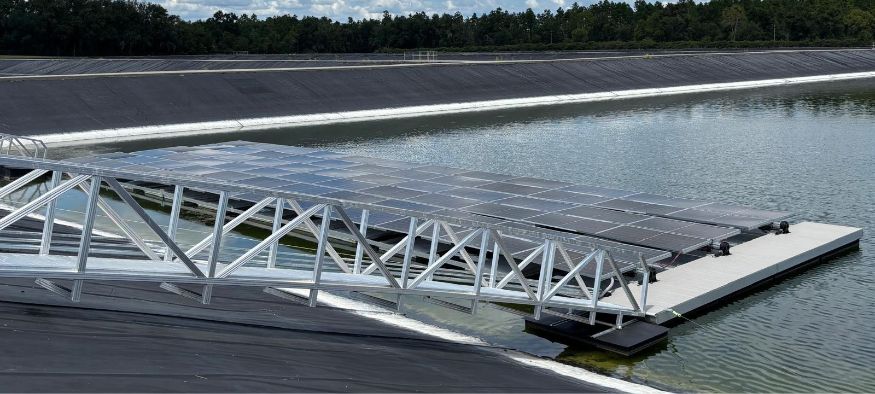
Wastewater treatment plants are among the most energy-intensive facilities operated by many municipalities. Pumps, aeration systems, filtration equipment, disinfection systems, controls, and other treatment processes can operate around the clock, creating a consistent demand for electricity. At the same time, many facilities include lagoons, retention ponds, storage basins, or other open-water areas that serve an important operational purpose but may offer additional value as locations for renewable energy generation.
For municipalities looking for ways to reduce energy expenses, make better use of existing infrastructure, and advance renewable energy goals without dedicating large areas of additional land, floating solar can offer an interesting option.
The opportunity, however, depends heavily on the individual site. Wastewater facilities differ significantly in their treatment processes, pond configurations, water quality, liner systems, operating requirements, and available electrical infrastructure. A large lagoon with substantial nearby electrical demand may offer strong potential, while another facility with small treatment basins or complex operating requirements may have very little usable surface area.
Successful projects begin by understanding those differences and determining whether floating solar can be integrated without interfering with the plant’s primary responsibility of providing reliable wastewater treatment.
Why Floating Solar Wastewater Treatment Projects Can Work for Municipal Sites
Municipal wastewater facilities can be well suited for floating solar because they combine continuous electricity consumption with existing water infrastructure. Unlike sites where a solar project must be developed far from where the electricity will ultimately be consumed, a wastewater treatment plant may be able to generate renewable power near a substantial municipal electrical load. Depending on project configuration, utility requirements, interconnection, and local regulations, that electricity may help offset a portion of the plant’s electricity consumption.
This potential relationship between generation and on-site demand is one reason floating solar wastewater treatment projects can be attractive to municipalities evaluating their energy portfolios.
Wastewater facilities may also face limitations on surrounding land. Property around treatment plants can be needed for future expansion, new treatment infrastructure, access roads, staging areas, buffers, stormwater management, or other municipal uses. Using an existing water surface can create renewable energy capacity while preserving surrounding property for operational priorities. That does not mean every pond within a wastewater facility should support solar panels. The location, size, purpose, geometry, accessibility, and environmental conditions of each basin must first be evaluated.
Making Better Use of Existing Municipal Infrastructure
Land availability can become a significant consideration when municipalities evaluate large solar installations. A conventional ground-mounted system requires dedicated acreage, and that land may compete with other long-term municipal needs. Wastewater plants offer a different possibility.
Where suitable ponds or lagoons already exist, floating solar uses an existing surface rather than requiring a municipality to convert additional property into a solar site. This can be particularly valuable at facilities where the municipality expects future treatment expansion or wants to preserve undeveloped areas for operational flexibility.
Using existing infrastructure more efficiently can also help municipalities think about wastewater facilities differently. Instead of viewing the plant solely as an energy consumer, the site may have the potential to support some of its own renewable generation.
The key is determining how much water surface is actually available for development after accounting for treatment operations, access requirements, equipment, setbacks, anchoring, maintenance, and other constraints. A pond’s total acreage should never automatically be treated as its usable floating solar acreage.
Matching Renewable Generation With High Energy Demand
Wastewater treatment requires energy throughout the treatment process. Depending on the plant, electricity may be required for aeration, pumping, mixing, filtration, solids handling, chemical treatment, ultraviolet disinfection, controls, lighting, and other equipment. Many of these systems operate continuously or on regular schedules.
That load profile can make solar for wastewater plants particularly relevant when municipalities are searching for renewable energy opportunities tied directly to public infrastructure.
The first step is understanding how the facility uses electricity. Historical utility data can help identify annual consumption, peak demand periods, seasonal changes, electricity rates, and other characteristics that influence project economics. From there, planners can compare potential solar production with facility consumption.
A floating solar system does not necessarily need to supply all of a plant’s electricity to provide value. Depending on the site, even partial load offset may reduce the amount of electricity purchased from the utility while contributing to municipal renewable energy or sustainability targets.
Project sizing should ultimately be based on realistic site capacity, electricity demand, utility requirements, economics, and the municipality’s long-term objectives rather than simply maximizing panel coverage.
Maintaining Wastewater Treatment Operations
Wastewater treatment is an essential municipal service. Any floating solar system installed at a treatment facility must be designed around the plant’s operational requirements rather than forcing plant operators to work around the solar array.
Operators may need access to ponds for water sampling, inspections, aerator maintenance, sludge management, pump servicing, vegetation control, liner inspections, cleaning, emergency response, or other activities. Those access requirements should be identified early in project development.
Arrays may need to include designated clear zones, perimeter access, internal walkways, equipment corridors, or separation from specific treatment components.
Maintenance planning should also consider how equipment will reach the water after the solar system is installed. A layout that appears efficient from a solar perspective could create operational problems if it blocks access to an aerator, pump station, sampling location, or other critical component. Coordination with wastewater plant personnel is therefore essential.
Operators understand how the facility functions throughout normal operations, maintenance cycles, seasonal changes, and unexpected events. Their input can identify constraints that may not be obvious from aerial imagery or engineering drawings alone.
Protecting Pond Liners During Floating Solar Development
Many wastewater ponds use liners designed to prevent wastewater from entering surrounding soil or groundwater. Depending on the facility, these may include geomembranes, synthetic liners, clay systems, or other containment designs. Protecting those systems is essential.
Floating solar anchoring and mooring cannot be approached the same way on every water body. An anchoring method that is appropriate for one reservoir may not be appropriate for a lined wastewater pond. Engineers need to understand the type, location, condition, and protection requirements of the liner before developing an anchoring strategy.
The system should also account for future liner inspections, repairs, or replacement. A solar installation should not prevent the municipality from maintaining the underlying wastewater infrastructure over the life of the facility.
These considerations can affect array placement, mooring design, shoreline attachment locations, construction techniques, and overall project economics. Addressing them during feasibility and early engineering is considerably better than discovering liner restrictions after a project has advanced.
Water Quality Considerations for Floating Solar
Wastewater environments can vary dramatically depending on where a pond is located within the treatment process. One basin may contain relatively treated water, while another may experience higher levels of biological activity, chemicals, suspended solids, nutrients, or corrosive conditions. Those differences matter when selecting materials and designing the system.
Floats, structural components, fasteners, cables, connectors, mooring equipment, and other components must be suitable for the environmental conditions they will encounter. Corrosive gases or aggressive water chemistry may also influence component selection and inspection requirements.
Worker access is another consideration. Maintenance procedures that are relatively straightforward on a clean-water reservoir may require additional safety protocols at a wastewater treatment site. The project team should understand these conditions before determining whether a particular basin is appropriate for floating solar.
Water Level and Basin Considerations
A floating solar array needs to accommodate changing site conditions throughout its service life. Wastewater ponds may experience water-level changes associated with precipitation, treatment processes, seasonal flows, maintenance activities, or operational changes. Mooring systems must be engineered to accommodate the expected operating range while maintaining array position.
Accumulated solids can introduce another variable. Some basins require periodic sludge removal or other maintenance that may temporarily lower water levels or require equipment access across portions of the pond. If these activities occur regularly, they should be incorporated into project planning.
Historical operating information can help engineers understand normal water levels, unusual conditions, maintenance cycles, and potential future changes.
This reinforces the importance of designing solar for wastewater plants around how the facility actually operates rather than how the site appears during a single visit.
Electrical Infrastructure and Interconnection
Water surface availability is only one part of project feasibility. A strong floating solar candidate should also have a practical method for connecting the system electrically.
Project teams need to evaluate the location of existing electrical equipment, available capacity, voltage, cable routing, utility requirements, and potential interconnection upgrades.
Distance matters as well. A large pond may appear ideal for solar, but its economics could change if significant electrical infrastructure must be installed to connect the array to the plant or utility system.
Wastewater facilities can have an advantage because they already contain substantial electrical infrastructure. However, the age and capacity of that infrastructure vary considerably from facility to facility. Early electrical evaluation can help municipalities identify potential constraints before committing substantial resources to project development.
Designing Around Long-Term Municipal Operations
Municipal infrastructure is planned for decades, and floating solar should be evaluated with that same long-term perspective. Wastewater facilities evolve. Treatment capacity may expand, new environmental requirements may lead to facility upgrades, equipment may be replaced, and operating practices may change.
Long-term planning for floating solar wastewater treatment projects should account for these changes and consider how the facility may evolve over time. For example, covering a pond that is expected to be modified or repurposed in five years may create unnecessary complications. Conversely, a stable storage or treatment pond expected to remain in its current configuration for decades may provide a stronger development opportunity.
Municipalities should evaluate future capital improvement plans alongside floating solar feasibility.
Questions to consider include whether treatment capacity is expected to increase, whether new basins may be constructed, whether existing ponds will remain operational, and whether major liner or equipment replacements are anticipated.
This type of long-range planning helps ensure that renewable energy infrastructure complements the wastewater facility rather than limiting future flexibility.
Early Site Screening Can Prevent Costly Surprises
Wastewater sites can vary significantly, making disciplined screening one of the most important stages of project development.
An initial assessment should examine six key factors:
Site Suitability: Pond size, usable surface area, basin geometry, water depth, and solar exposure.
Water and Structural Conditions: Water chemistry, environmental conditions, liner type and condition, and anchoring and mooring options.
Treatment Operations: Treatment function, existing aeration and mechanical equipment, and operator access requirements.
Electrical Infrastructure: Existing electrical capacity, utility interconnection, and facility energy consumption.
Maintenance Requirements: Water-level fluctuations, planned maintenance activities, and access for repairs and equipment servicing.
Long-Term Planning: Future treatment-plant expansion, planned infrastructure upgrades, and potential changes to pond use.
This process helps narrow a large group of municipal facilities into sites with genuine development potential.
Counting the number of wastewater treatment plants in a region does not provide a realistic measure of floating solar opportunity. Even estimating total pond acreage can be misleading if a significant portion of that area cannot practically accommodate an array.
A more effective approach is to identify facilities where usable water surface, high electricity demand, compatible operations, workable anchoring, and accessible electrical infrastructure align.
How AccuSolar Approaches Wastewater Floating Solar
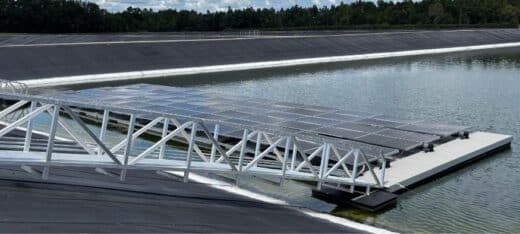
AccuSolar’s floating solar platforms use marine-grade aluminum framing, stainless steel hardware, and foam-filled HDPE floats designed to create a rigid, serviceable platform on the water. Integrated walkways and cable-management considerations support long-term system access and organization.
Mooring and anchoring strategies are developed according to site conditions rather than treated as an afterthought. At wastewater facilities, this may include evaluating options that protect sensitive pond infrastructure while accommodating changes in water levels and operational requirements.
Early collaboration among the municipality, plant operators, solar developer, engineering teams, and floating solar provider can help identify these requirements before the project reaches later design stages.
Turning Existing Water Infrastructure Into an Energy Asset
Municipal wastewater treatment facilities will continue to require reliable energy as communities grow and treatment requirements evolve. At the same time, municipalities are increasingly examining how existing public infrastructure can support broader energy and sustainability strategies. Floating solar creates an opportunity to look at certain wastewater ponds as more than treatment infrastructure alone.
When the physical site, plant operations, water conditions, electrical system, and long-term municipal plans align, an existing water surface may also become a platform for renewable energy generation. The goal should not be to cover every available pond with solar panels. The goal is to identify the right ponds. When site conditions and operational requirements align, floating solar wastewater treatment projects can help municipalities make more productive use of existing water infrastructure while supporting their renewable energy goals.
With careful feasibility analysis, coordination with plant operators, appropriate engineering, and a system designed around the specific water body, floating solar can become another tool municipalities consider as they work to manage energy costs, preserve available land, and make more efficient use of existing infrastructure.
Frequently Asked Questions
1. Can floating solar be installed on any wastewater treatment pond?
No. Wastewater ponds vary considerably in size, treatment function, water quality, geometry, liner systems, equipment, and maintenance requirements. A feasibility assessment should determine whether enough usable surface area exists and whether the array can be installed without interfering with treatment operations.
2. Can a floating solar system damage a wastewater pond liner?
The anchoring and mooring system must be designed with the pond’s liner in mind. Some anchoring methods may not be appropriate for lined ponds. Engineers should identify the liner type, condition, and restrictions early so the system can be designed without compromising critical containment infrastructure.
3. Will floating solar interfere with wastewater plant maintenance?
It should not when access requirements are incorporated into the design. Operators may need access to aerators, pumps, sampling locations, sludge-removal areas, liners, and other equipment. Array placement, walkways, clear zones, and maintenance corridors should be planned around these activities.
4. How much of a wastewater pond can be covered with floating solar?
There is no universal percentage. Usable coverage depends on basin geometry, treatment equipment, operating requirements, anchoring, water-level changes, access needs, environmental conditions, and other site-specific factors. Total pond acreage is therefore different from practical buildable acreage.
5. What makes a wastewater treatment plant a strong floating solar candidate?
Strong candidates generally combine a sufficiently large and usable water surface with significant on-site electricity demand, compatible treatment operations, workable anchoring conditions, appropriate water and liner conditions, good solar exposure, accessible electrical infrastructure, and limited conflict with future facility expansion.
Ready to explore whether floating solar is the right fit for your wastewater treatment facility? AccuSolar can help evaluate your site and develop a floating solar solution designed around your operational needs. Contact us to learn more about your project’s potential.