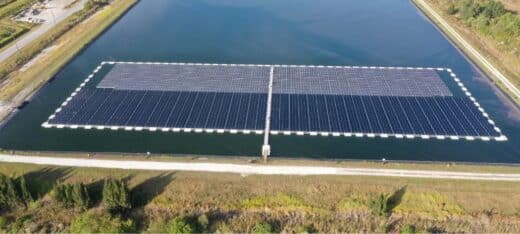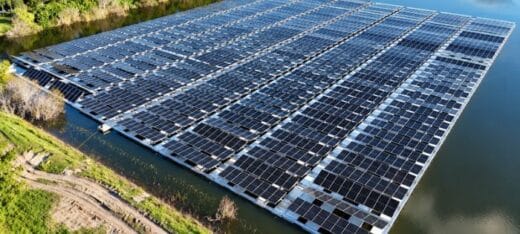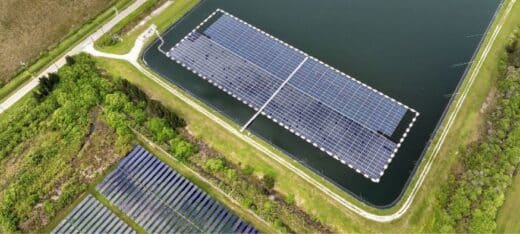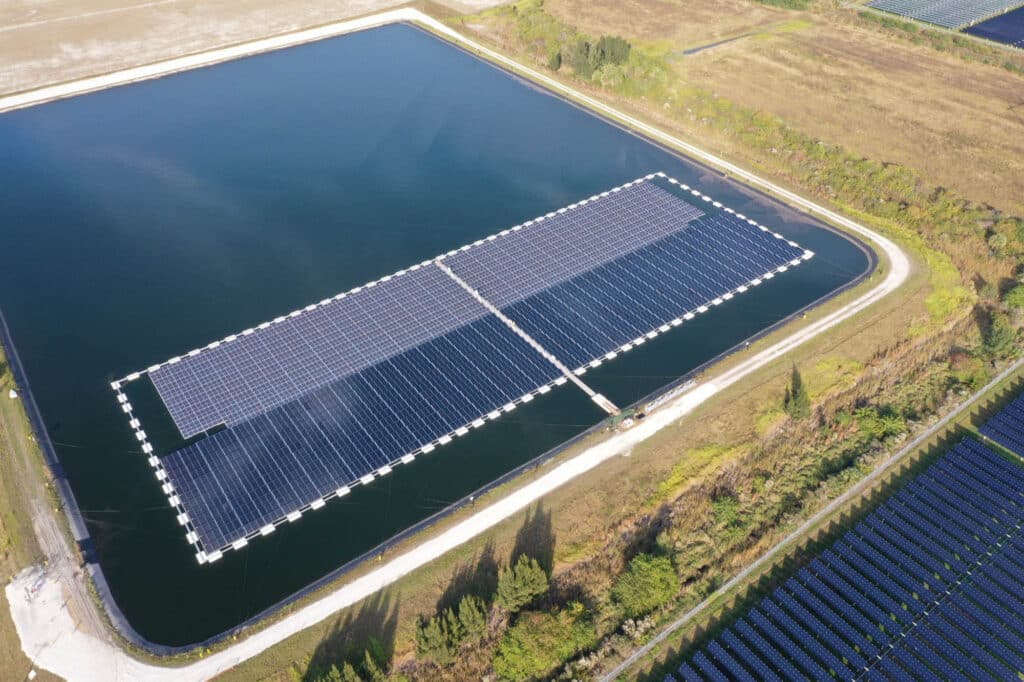
Floating solar panels face unique challenges, making maintenance not just routine, but strategic. The dynamic marine environment—with shifting water levels, high humidity, and debris—can significantly impact performance if not properly managed. To ensure consistent energy production and control costs, it’s crucial to know precisely what to look for and when, whether you’re managing a new installation or an established system. This guide will cover the essential tasks for solar panel maintenance: inspections, cleaning, and monitoring.
Solar Panel Maintenance: What to Inspect
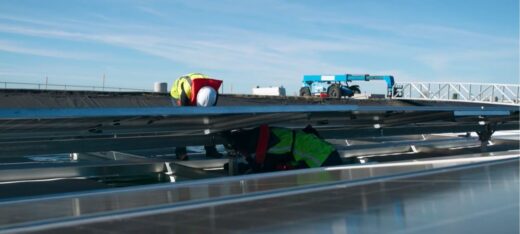
Routine visual inspections are key to identifying potential issues early. Check for:
- Panel integrity: Look for cracks, hotspots, or discoloration on the solar panels.
- Float structure: Inspect for any signs of damage or changes in stability that could affect performance.
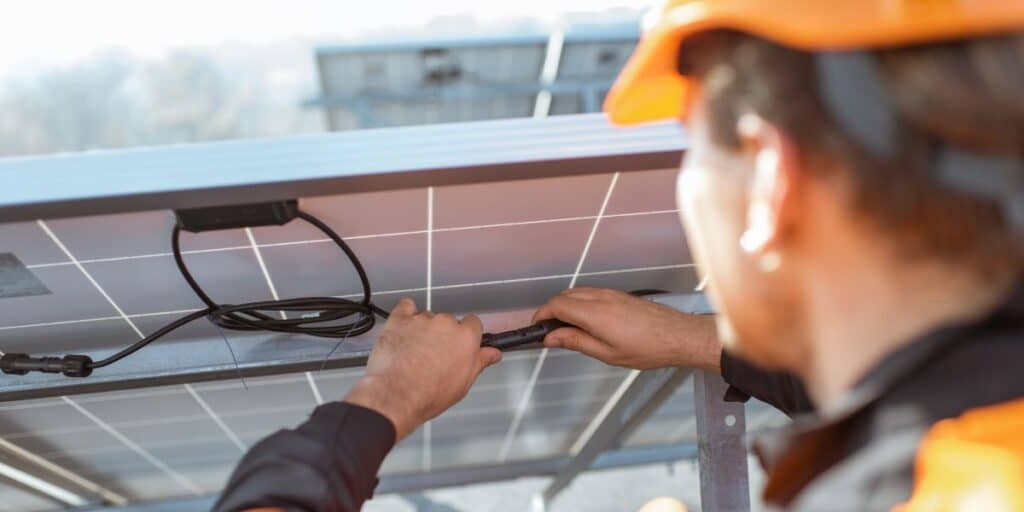
- Electrical connections: Ensure all wiring is secure, corrosion-free, and positioned above the waterline.
- Anchoring system: Confirm that moorings and anchors remain stable and properly tensioned.
These checks help ensure safety and continued performance even in harsh aquatic environments.
What to Clean: How to Maintain Solar Panels
Debris buildup can reduce efficiency, so keeping the panels clean is essential. Use non-abrasive tools, filtered water, and approved solar panel cleaning equipment to avoid damage. Focus on:
- Removing bird droppings, algae, dust, or mineral deposits.
- Cleaning during early morning or late afternoon to prevent thermal shock.
- Avoiding the use of detergents that could contaminate the water.
Regularly cleaning your floating solar array is essential for optimal performance, and typically, two to four times a year is sufficient. However, your specific environment may require a different schedule. For instance, areas with heavy bird activity, significant dust, or algae growth may need more frequent cleaning.
Consider integrating robotic cleaning technology into your system to streamline maintenance. This can help you reduce labor costs, minimize downtime, and improve the long-term efficiency of your solar array.
What to Monitor
Use performance monitoring systems to track:
- Energy output: Sudden dips can indicate panel wear or equipment issues.
- Water level and wave activity: Fluctuations can impact float stability and alignment.
- Temperature and weather conditions: Track trends that might affect long-term efficiency.
Consistent data monitoring is key to predictive maintenance, which significantly reduces downtime and repair costs for your solar panels. For floating solar installations, understanding how to effectively maintain solar panels on water is crucial for long-term success.
The AccuSolar Advantage: Maximizing Floating Solar Feasibility and Longevity
Beyond your standard O&M procedures, there are some important things to note when looking at feasibility of floating solar. With almost 20 years in the marine docking industry, at AccuSolar we take into consideration longevity without the headache or need of continuous expenses.
AccuSolar foam filled floats will never sink, therefore eliminating the need for replacements. Most competitors’ designs require complete disassembly in order to fix or replace a compromised float. This could take the floating solar array offline for several weeks at a time and bring on large labor costs.
Each AccuSolar design will also include an aluminum gangway and floating walkway to easily access the floating solar array at any time for maintenance, testing, solar panel replacement, etc. Hinging & locking gates can be included to prevent unwanted entry by trespassers.
A proactive solar panel maintenance plan, specifically tailored to your site’s unique conditions, helps safeguard the efficiency, safety, and ROI of your system for years to come. Contact us for more information on how to maintain solar panels and comprehensive maintenance strategies.