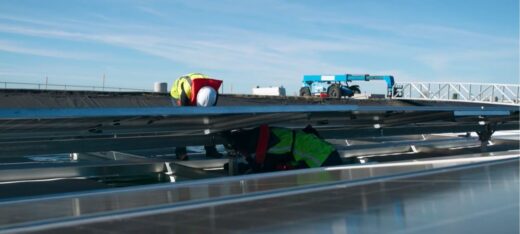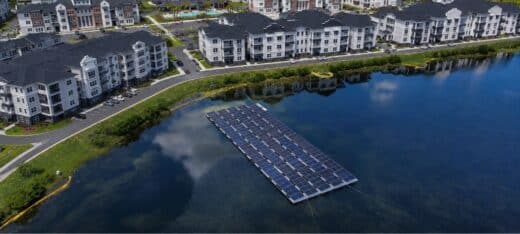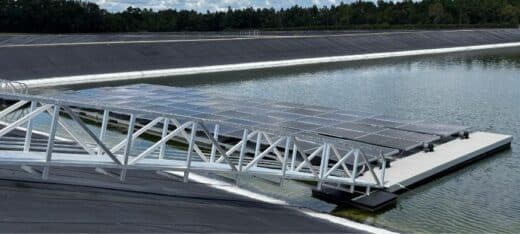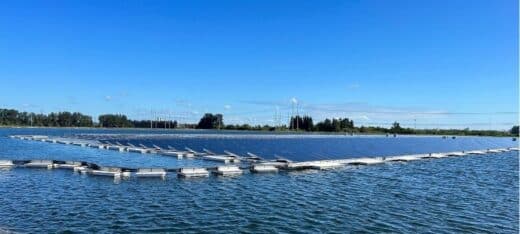
As utilities, municipalities, and public agencies explore new opportunities for renewable energy generation, floating solar is becoming an increasingly attractive option. By installing solar arrays on existing water bodies, organizations can generate clean electricity while preserving valuable land for other uses.
However, developing a successful floating solar project involves more than identifying an available water body and installing solar panels. These projects require careful planning, technical expertise, financial evaluation, and an understanding of the unique conditions associated with building on water.
One of the most important decisions utilities and public agencies will make is selecting the right development partner. An experienced floating solar developer can help navigate challenges, establish realistic expectations, and move a project from initial evaluation to commercial operation.
Before entering into an agreement, organizations should thoroughly evaluate a solar project developer on their qualifications, experience, financial stability, and ability to deliver a successful project.
Does the Developer Have Experience in Your Geographic Area?
Location is an important consideration when evaluating potential development partners. Developers familiar with your specific region often have a better understanding of local permitting requirements, utility procedures, environmental regulations, and construction conditions.
Working with a solar project developer that has an established presence near the project site can also offers significant logistical and financial advantages. Local experience helps reduce travel expenses, simplify site visits, improve communication with local stakeholders, and provide access to established regional contractor relationships.
For utilities and public agencies operating within defined service territories, these advantages are particularly valuable. A developer familiar with local jurisdictions may already understand the approval processes and documentation requirements that could otherwise delay a project by months.
Has the Developer Successfully Completed Projects of Similar Size and Complexity?
A developer’s track record is one of the strongest indicators of their ability to execute a proposed project. However, experience should be evaluated beyond simply counting the total number of installations completed.
Utilities and agencies should determine whether a floating solar developer has successfully managed projects comparable in size, technical requirements, financing structure, and regulatory complexity. A company that primarily develops small commercial rooftop systems may not possess the specialized capabilities required for a multi-megawatt utility-scale installation on water.
Floating solar projects introduce unique structural considerations involving buoyancy, anchoring, mooring, water-level fluctuations, and specialized electrical infrastructure. Reviewing completed projects and speaking directly with previous clients can help organizations determine whether a developer has the necessary hands-on experience.
What Is the Developer’s Typical Timeline From Site Control to Energization?
Solar development involves several distinct stages before a project can begin generating electricity. These typically include site evaluation, feasibility studies, engineering, permitting, financing, interconnection approval, construction, and final commissioning.
Utilities and agencies should understand how long a solar project developer typically takes to move a project from securing site rights to commercial operation. For floating solar installations, additional time may be required to evaluate water-body conditions, design customized anchoring and mooring systems, and coordinate environmental compliance requirements.
A qualified developer should provide realistic project timelines, identify potential risks for delay, and establish measurable milestones throughout the development lifecycle.
Does the Solar Project Developer Understand Public-Sector Requirements?
Utilities, municipalities, and public agencies often operate under procurement requirements that differ significantly from those of private commercial organizations. These requirements may involve competitive bidding processes, public transparency mandates, specific insurance obligations, environmental reviews, prevailing wage provisions, and strict contracting procedures.
Selecting a solar project developer familiar with these public-sector nuances can help minimize administrative friction and improve coordination throughout development.
Public-sector projects often involve multiple decision-makers, including engineering departments, procurement teams, legal counsel, and financial administrators. A developer should be accustomed to communicating effectively with these stakeholders and providing documentation that supports project feasibility and regulatory compliance.
Does the Developer Have Experience Working With Union Labor?
Labor requirements can significantly influence project planning and costs, particularly for public-sector and utility-scale renewable energy installations. Some projects may be subject to prevailing wage requirements, project labor agreements, apprenticeship provisions, or other workforce obligations.
A floating solar developer experienced in working with union labor will be better prepared to estimate labor costs accurately, coordinate construction schedules effectively, and manage compliance requirements seamlessly.
Floating solar installations often require a specialized workforce, including electricians, marine construction specialists, mechanical installers, and divers. Understanding how these teams will collaborate on the water is essential for maintaining a safe and efficient construction process.
Are the Proposed Financial Terms Realistic?
Financial feasibility is a cornerstone when selecting a development partner. While a proposal may appear attractive initially, utilities and agencies must carefully evaluate the assumptions supporting projected costs, electricity pricing, financing arrangements, and anticipated returns.
Unrealistic financial terms create significant risk down the road if a developer later determines that the project cannot proceed under the original agreement. Organizations should be cautious about committing their property or water-body access rights for several years without reasonable assurances of project execution.
A financially credible proposal should demonstrate that the solar project developer has thoroughly accounted for equipment pricing, construction expenses, incentives, interconnection costs, and potential development risks.
What Are the Terms of Site Control and Project Exclusivity?
Site control agreements grant a developer the right to evaluate or use a particular property or water body while pursuing project approvals. However, utilities and agencies should carefully examine the duration and conditions of these arrangements.
Granting exclusive development rights for three to five years without meaningful progress requirements can tie up valuable assets and prevent an organization from pursuing other viable renewable energy opportunities.
Agreements should establish clear development milestones, reasonable timelines, and explicit termination provisions if the developer cannot secure financing, obtain necessary permits, or demonstrate project feasibility within a specified timeframe. These contractual protections help ensure that valuable water bodies do not remain stalled in unproductive agreements.
Does the Developer Understand the Local Interconnection Environment?
Interconnection is frequently one of the most challenging aspects of renewable energy development. Even when a site offers favorable conditions, a project may face significant obstacles if the local electrical infrastructure cannot accommodate the proposed generating capacity.
An experienced solar project developer should thoroughly understand regional utility interconnection procedures and utilize specialized tools to evaluate grid capacity, potential constraints, and required infrastructure upgrades early in the process.
Does the Developer Have Floating Solar Experience or Established Technical Partners?
Floating solar development requires specialized engineering knowledge that extends beyond traditional land-based installations. A dedicated floating solar developer must understand how dynamic water-body conditions influence platform design, anchoring, mooring, electrical infrastructure, and long-term system performance.
Unlike ground-mounted installations, floating arrays must accommodate changing water levels, wind forces, wave activity, and other site-specific conditions.
While previous floating solar experience is ideal, developers with strong traditional solar backgrounds can also be successful partners if they collaborate closely with qualified floating solar specialists and equipment manufacturers.
At AccuSolar, we collaborate with EPCs, solar developers, and other industry partners to support floating solar opportunities through specialized manufacturing and engineering expertise. Our Floating Solar Manufacturer Partnerships help development teams overcome the unique requirements of installing solar systems on water.
How Does the Developer Evaluate Environmental and Operational Impacts?
Floating solar projects must be engineered with careful consideration for the water body’s existing operational purpose and ecological balance. For utilities and public agencies, this is especially critical when evaluating installations on drinking water reservoirs, wastewater treatment facilities, or stormwater management ponds.
A proposed solar array must never interfere with essential facility operations, maintenance access, or water-quality regulations.
Developers should evaluate water depth, seasonal water-level variations, environmental impacts, and ongoing facility access needs before finalizing system layouts. Addressing these operational factors early helps mitigate permitting delays, unexpected design changes, and cost overruns.
What Is the Developer’s Approach to Long-Term System Reliability?
A floating solar installation represents a long-term infrastructure investment designed to last 25 years or more. Utilities and agencies should carefully evaluate how a developer plans to protect system performance throughout its operating life. This includes reviewing equipment selection, structural engineering, environmental protection measures, maintenance access, and monitoring capabilities.
Floating solar components must endure constant exposure to moisture, high humidity, ultraviolet radiation, and mechanical stresses from wave action.
At AccuSolar, our floating solar platforms incorporate marine-grade aluminum frames, stainless steel hardware, and EPS foam-filled HDPE floats. Engineered to withstand site-specific weather and water conditions, our systems support long-term durability and structural integrity.
A qualified solar project developer should clearly explain how their chosen equipment and engineering strategies will safeguard long-term reliability.
How Will the Developer Manage Project Risks and Responsibilities?
Every renewable energy project carries inherent risks. Permitting delays, supply chain disruptions, fluctuating construction costs, and unexpected site conditions can all impact execution.
Utilities and agencies should prioritize developers that offer clear risk allocation, realistic construction schedules, and transparent communication practices.
A comprehensive development approach clearly defines which parties are responsible for engineering, procurement, construction, permitting, financing, and commissioning. Developers should also maintain formal protocols for managing unexpected challenges and communicating project status updates to public stakeholders.
Can the Developer Demonstrate Financial Stability?
Beyond evaluating project economics, public agencies must assess the balance sheet and financial stability of the development company itself. A developer may present a technically sound proposal but lack the financial backing required to pull the project through to completion.
Utilities and agencies should verify whether the solar project developer has access to adequate capital, strong financing relationships, and skilled internal personnel. Financial stability is particularly crucial for utility-scale projects that require substantial upfront capital outlay during the early development phases.
Reviewing past project portfolios, balance sheets, and financing histories will provide greater confidence in a developer’s financial capacity.
What Happens After the Project Becomes Operational?
The developer’s role does not necessarily end once the floating solar installation begins delivering power to the grid. Utilities and agencies must clarify who will handle long-term operations, ongoing maintenance, routine inspections, performance monitoring, and component repairs.
Depending on the ownership structure, these operational responsibilities may remain with the developer, transfer to the asset owner, or be contracted out to a third-party service provider.
Because floating solar systems require specialized operations and maintenance strategies including aquatic inspections of floating platforms, anchoring lines, mooring points, and underwater electrical conduits establishing clear long-term O&M protocols is essential to protect the asset.
Making the Right Decision for Your Floating Solar Project
Choosing the right development partner requires looking beyond initial installation costs or projected energy yields. Utilities and public agencies must perform holistic due diligence evaluating technical capabilities, financial credibility, local expertise, project timelines, contractual protections, and long-term O&M strategies.
The best partner is rarely the company offering the lowest initial bid or most aggressive schedule. Instead, prioritize a floating solar developer capable of demonstrating realistic financial modeling, proven execution experience, and a clear understanding of water-based engineering challenges.
Through strategic collaboration between developers, EPC contractors, engineers, and specialized equipment manufacturers, public agencies can reduce development risk, and build a solid foundation for long-term renewable energy success.
Frequently Asked Questions About Choosing a Floating Solar Developer
What qualifications should utilities look for in a solar project developer?
Utilities should prioritize a solar project developer with a strong track record of successful project completions, solid financial stability, deep familiarity with regional grid interconnection processes, and experience managing complex permitting and engineering workflows. Experience handling public-sector procurement rules and utility-scale installations is also highly valuable.
Does a developer need previous floating solar experience?
While direct floating solar experience is ideal, it is not always mandatory. A traditional utility-scale solar project developer can execute a successful project if they partner with specialized floating solar developer experts, marine engineering specialists, and floating platform manufacturers who understand the unique requirements of water-based installations.
Why is interconnection experience important for floating solar projects?
Interconnection requirements significantly dictate project timelines, costs, and ultimate feasibility. A developer experienced in local interconnection procedures can evaluate grid capacity, navigate utility impact studies, identify necessary infrastructure upgrades early and avoid costly delays in connecting the solar array to the grid.
How can utilities avoid entering into unrealistic development agreements?
Utilities can protect themselves by rigorously evaluating financial assumptions, establishing strict site-control conditions, requiring clear, performance based development milestones, and including fair termination clauses in their contracts. This prevents valuable water bodies or real estate from being tied up by inactive developers.
What role does a floating solar manufacturer play in project development?
A floating solar manufacturer provides essential technical and engineering expertise for specialized components, including buoyant platform design, structural durability, wave force mitigation and anchoring/mooring configurations. Partnering with an experienced manufacturer ensures that the project team designs a system tailored to the specific environmental and hydrodynamic conditions of the site.
Partner with AccuSolar on your Next Projects
Successful floating solar development depends on strong collaboration, technical expertise, and a thorough understanding of water-based deployment.
At AccuSolar, we partner with solar developers, EPC contractors, utilities, and public agencies to streamline floating solar projects through advanced platform manufacturing and specialized engineering solutions.
Whether you are conducting an initial site assessment or preparing for a large utility-scale deployment, our team is ready to support your goals. Contact us to learn more about our Floating Solar Manufacturer Partnerships or to discuss your project.