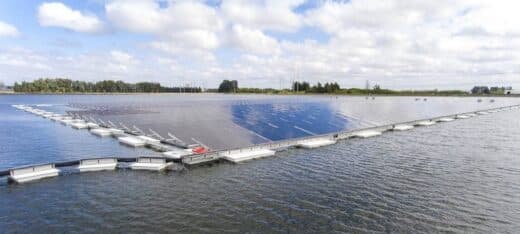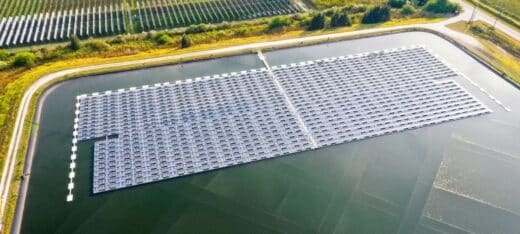
Floating solar continues to gain attention as utilities, municipalities, commercial facilities, and water authorities look for new ways to generate renewable energy without competing for valuable land. Reservoirs, retention ponds, treatment ponds, quarry lakes, and other waterbodies can provide opportunities to install solar capacity while making use of existing infrastructure.
However, placing a solar array on water introduces permitting considerations that are different from those associated with a traditional rooftop or ground-mounted system. Environmental requirements, wetlands, waterbody classifications, protected species, shoreline conditions, electrical infrastructure, and the history of the site can all influence which approvals are required and how quickly a project can move forward.
Understanding floating solar permitting early in project development can help developers identify potential challenges before significant time and resources are invested. While every project and jurisdiction is different, evaluating environmental and site conditions at the beginning of the process can provide a clearer path toward design, engineering, permitting, and ultimately construction.
Understanding the Solar Permitting Process for Floating Solar
The solar permitting process for a floating solar project can involve several layers of review. In addition to the building, electrical, and utility requirements that typically apply to solar installations, a floating project may require additional evaluation because equipment will be installed on a waterbody and connected to the shoreline.
Requirements depend on the location, type of waterbody, ownership, environmental conditions, project size, and applicable local, state, and federal regulations. A municipal retention pond may face different requirements than a drinking water reservoir, irrigation pond, wastewater treatment pond, quarry lake, or natural waterbody.
Depending on the project, developers may need to coordinate with local building departments, utilities, environmental agencies, water management authorities, or other regulatory entities. Environmental reviews may evaluate potential impacts to wetlands, wildlife, water quality, shorelines, stormwater systems, and surrounding habitats.
This makes early due diligence especially important. Before a project moves too far into design, developers should understand how the waterbody is classified, which agencies have jurisdiction, and whether environmental restrictions could affect the proposed layout.
What Makes a Floating Solar Site Easier to Permit?
Certain site characteristics can make floating solar permitting more straightforward. No site is automatically easy to permit, but identifying favorable conditions during initial site screening can help developers avoid unnecessary complications later.
Existing Man-Made Waterbodies
Man-made waterbodies are often strong candidates for floating solar development. Retention ponds, treatment ponds, industrial ponds, irrigation ponds, and other constructed waterbodies may already serve an operational purpose and may have experienced previous development or disturbance.
The fact that a waterbody is man-made does not eliminate the need for environmental review. However, understanding how and why the waterbody was constructed can help establish its existing use and identify potential regulatory considerations earlier. Developers should still confirm the current regulatory classification of the waterbody rather than assuming that a constructed pond has no environmental restrictions.
Limited Public Recreation
Waterbodies with limited recreational activity may provide a more straightforward development environment. If a lake or reservoir is heavily used for boating, fishing, swimming, kayaking, or other recreational activities, a floating solar project may need to account for public access and existing uses when determining the appropriate system size and location.
A waterbody that primarily serves an industrial, municipal, agricultural, or stormwater function may have fewer conflicts with recreational users. Understanding how the waterbody is currently used should therefore be part of early site evaluation.
Previously Disturbed Shoreline
Floating solar installations require more than space on the water. Developers also need shoreline areas for construction access, anchoring or mooring components, electrical equipment, cable routing, and potentially staging. A previously disturbed shoreline may provide opportunities to accommodate these activities while limiting new disturbance to natural areas.
Existing roads, cleared areas, utility corridors, or previously developed sections of shoreline can be particularly valuable during project planning. Developers can evaluate these areas to determine whether equipment and construction activities can be concentrated in locations that minimize additional environmental impacts.
Existing Electrical Infrastructure Nearby
Access to electrical infrastructure is another important consideration. A suitable waterbody located close to existing electrical equipment or an appropriate point of interconnection can reduce the amount of new infrastructure required to connect the floating solar system.
Long electrical runs may increase project complexity and potentially expand the project’s physical footprint. Nearby electrical infrastructure can help reduce these challenges, although developers will still need to evaluate available capacity, interconnection requirements, and any utility upgrades that may be necessary. Considering interconnection alongside environmental permitting can provide a more complete picture of whether a potential site is practical for development.
Minimal Wetland Impacts
Wetlands can be one of the most important environmental considerations during floating solar development. A site that allows construction, shoreline access, anchoring, and electrical work to occur without disturbing protected wetlands may be easier to advance than one requiring significant wetland encroachment.
Wetland regulations can also vary significantly by jurisdiction. Developers should determine whether wetlands are present around the waterbody, along potential access routes, or in areas where supporting infrastructure could be installed. Early wetland identification can help the project team adjust the layout before engineering progresses too far.
Good Construction Access
Construction access should be evaluated early rather than after a system has been designed. Floating solar components need to be delivered, staged, assembled, and launched onto the water. A site with existing roads, open staging areas, and accessible shoreline can simplify these activities and reduce the need for additional disturbance.
Limited access may require new temporary or permanent roads, clearing, grading, or other site modifications. Those changes could introduce additional permitting requirements and environmental considerations. Evaluating construction logistics during initial site screening can help determine whether the proposed project can be installed efficiently while minimizing impacts to the surrounding property.
What Can Make Floating Solar Permitting Take Longer?
Just as certain site characteristics can support a more efficient permitting process, others can introduce additional reviews, studies, coordination, or design changes.
One of the biggest mistakes a project team can make is advancing a design before understanding environmental requirements. Environmental conditions should be evaluated as early as possible because they can directly influence how much of the waterbody can be used, where infrastructure can be placed, and whether the site is suitable for development.
Water Coverage Standards
Developers should determine whether applicable regulations or agencies establish limitations on how much of a waterbody can be covered by floating infrastructure. Water coverage requirements may be influenced by the waterbody’s purpose, environmental characteristics, water quality considerations, operational needs, or local regulations.
If a proposed array exceeds an applicable coverage threshold, the project may require a smaller footprint, additional analysis, or changes to the system layout. Understanding these requirements before completing the design can reduce the likelihood of significant revisions later.
Wetland Encroachment and Special Regulations
Wetland requirements can be particularly complex because definitions and protections vary by jurisdiction. Developers should not assume that the water itself or the bottom of an existing pond is automatically outside wetland regulations. Some jurisdictions may apply broader protections to waterbodies or their underlying areas. For example, regulations in certain locations, including New Jersey, can require careful evaluation of whether portions of a waterbody or its substrate fall under protected wetland or regulated-area requirements.
The exact classification should be confirmed with qualified environmental professionals and the appropriate regulatory agencies. When wetland impacts cannot be avoided, additional permitting, mitigation, surveys, or project modifications may be required, potentially extending the development schedule.
Endangered or Protected Species
The presence of endangered, threatened, or otherwise protected species can also affect project timelines. Depending on the site and jurisdiction, developers may need to conduct wildlife surveys or habitat assessments before receiving certain approvals. Surveys may also need to occur during specific seasons, which can affect the overall development schedule.
If protected species or sensitive habitat are identified, the project may require additional coordination with environmental agencies. Developers may need to adjust construction timing, relocate certain project components, modify the system layout, or establish additional protection measures. Identifying potential species concerns during initial due diligence allows these requirements to be incorporated into the project schedule rather than discovered later.
How Long Does Floating Solar Permitting Take?
There is no single permitting timeline that applies to every floating solar project. The timeframe depends on the jurisdiction, project size, type of waterbody, environmental conditions, required approvals, agency review schedules, and whether additional studies are necessary.
A project located on an existing man-made waterbody with limited environmental impacts, established construction access, and nearby electrical infrastructure may move through review more efficiently than a project involving wetlands, protected species, extensive shoreline work, or multiple regulatory agencies.
The solar permitting process may include local building and electrical permits, utility interconnection requirements, environmental reviews, stormwater approvals, and state or federal agency coordination. Some of these reviews may occur simultaneously, while others may depend on the completion of an earlier study or approval.
Rather than relying on a standard number of weeks or months, developers should establish a project-specific permitting schedule during due diligence. The schedule should identify each anticipated approval, responsible agency, supporting documentation, and potential dependencies.
Building additional time into the development schedule can also help account for agency questions, design revisions, seasonal environmental surveys, or requests for more information.
Why Early Site Screening Matters
Permitting should be considered during site selection, not after a project has already been designed. Early screening allows developers to compare potential waterbodies based on factors that can directly affect project feasibility. Environmental restrictions, shoreline conditions, access, electrical infrastructure, and existing site uses can all influence whether one waterbody represents a stronger development opportunity than another.
This information can also guide engineering decisions. If a sensitive shoreline area is identified early, for example, engineers may be able to locate access or electrical infrastructure elsewhere. If coverage restrictions are known, the system can be sized accordingly from the beginning. A little more investigation at the start of development can help prevent larger changes later.
Planning for a More Efficient Permitting Process
Successful floating solar permitting begins well before permit applications are submitted. Developers can improve project planning by assembling the right technical team early and coordinating environmental, engineering, electrical, and construction considerations rather than evaluating each area separately.
A strong initial site evaluation should identify how the waterbody is used, its regulatory classification, environmental conditions, wetland boundaries, potential protected species concerns, existing electrical infrastructure, construction access, shoreline conditions, and known permitting history.
When these factors are understood early, the project team can design around potential constraints and establish more realistic expectations for cost and schedule. Floating solar projects require coordination between the water environment and the energy infrastructure being installed above it. Selecting a site that supports both can make the path from initial evaluation to construction significantly more manageable.
Frequently Asked Questions
Permitting requirements can vary significantly from one floating solar project to another. Site conditions, system size, environmental considerations, and local regulations can all influence the approvals required and the overall project timeline. This floating solar permitting FAQ answers some common questions developers and project owners may have when evaluating a potential project.
What permits are typically required for a floating solar project?
Requirements vary by project, jurisdiction, and system size. Depending on the location and waterbody, approvals may include building and electrical permits, utility interconnection approval, environmental reviews, stormwater permits, wetland-related approvals, and other local, state, or federal authorizations. Larger projects may also involve additional utility, agency, or regulatory coordination. The first step should be identifying which agencies have jurisdiction over the property, waterbody, shoreline, and proposed electrical infrastructure.
How long does it take to permit a floating solar project?
There is no standard timeline for every project. Permitting time depends on factors such as the jurisdiction, environmental conditions, project size, waterbody classification, agency review times, and whether additional environmental studies are necessary. System size can also affect the overall timeline. Larger utility-scale projects typically require more extensive interconnection studies and coordination, which can extend both the connection and permitting process. Smaller projects with limited environmental impacts, existing infrastructure, and straightforward interconnection requirements may have a more direct path forward.
Are man-made ponds easier to permit for floating solar?
Man-made waterbodies can be attractive candidates because they may already serve a municipal, industrial, agricultural, stormwater, or treatment function. However, being man-made does not automatically make a waterbody exempt from environmental regulations. Developers should confirm the regulatory status and environmental characteristics of the pond before assuming it will have a simplified permitting path.
Can wetlands affect a floating solar project?
Yes. Wetlands located around a waterbody, along access routes, or near proposed electrical and construction areas can influence project design and permitting. Wetland definitions and protections vary by jurisdiction, so a qualified environmental professional should evaluate the site and determine which requirements apply.
Does floating solar require an environmental review?
It depends on the project and jurisdiction. Environmental reviews may be required to evaluate wetlands, water quality, wildlife, protected species, shoreline impacts, stormwater, or other site conditions. Even when a formal environmental review is not required, early environmental due diligence can help developers identify potential issues that could affect the project.
What happens if protected species are found at the site?
Protected species or sensitive habitat may trigger additional agency coordination, surveys, construction restrictions, or design changes. In some cases, surveys must be performed during a particular time of year. Identifying these concerns early allows developers to incorporate any necessary studies or restrictions into the project schedule.
Why does previous unpermitted work matter?
If previous construction, dredging, filling, shoreline modifications, or other regulated work occurred without required approvals, regulators may require those issues to be resolved before approving additional development. Reviewing the site’s permitting history during due diligence can help identify these concerns before they affect the project schedule.
What should developers look for when evaluating a potential floating solar site?
Strong candidates may include man-made waterbodies with limited public recreation, previously disturbed shorelines, minimal wetland impacts, good construction access, and nearby electrical infrastructure. Developers should also investigate water coverage requirements, protected species, wetland regulations, existing permits, and the history of the property. Evaluating these factors early can help determine whether a site provides a practical path toward development.
Moving From Permitting to Project Development
Permitting is only one component of a successful floating solar project, but decisions made during the permitting stage can influence engineering, construction, interconnection, and long-term operation.
The strongest projects begin with a clear understanding of both the waterbody and the surrounding site. By prioritizing environmental due diligence, reviewing site history, evaluating construction access, and identifying regulatory requirements early, developers can reduce uncertainty and make better-informed decisions before advancing into detailed engineering.
For organizations considering floating solar, selecting the right waterbody can be just as important as selecting the right technology. A well-screened site provides a stronger foundation for permitting, design, construction, and long-term project performance.
AccuSolar can help you evaluate your waterbody and determine the next steps for your project. Contact us to discuss your site and learn more about developing a floating solar system that meets your project requirements.