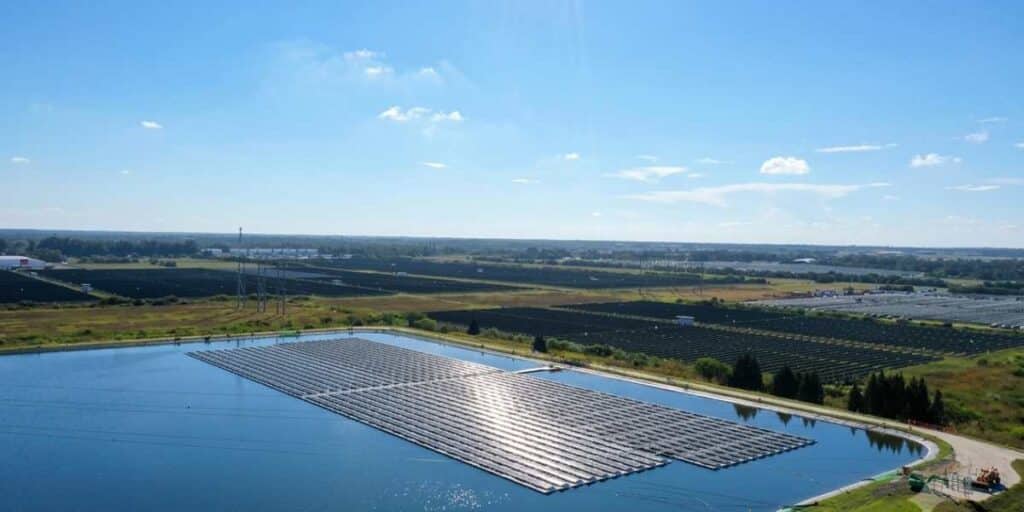
Changes to federal incentives often spark questions about the future of renewable energy. While the solar ITC phase down may impact how some developers evaluate projects, it does not change the long-term fundamentals that make floating solar an attractive investment. At AccuSolar, we continue to see strong momentum because the market is driven by much more than tax credits. The impact of the solar ITC phase down will vary depending on project timing, eligibility requirements, ownership structure, and the availability of other federal, state, or local programs. Organizations evaluating a floating solar project should consider these factors early in the planning process rather than viewing the incentive change as a universal barrier to development.
Floating solar addresses growing challenges that utilities, municipalities, and industrial facilities face today, from limited land availability to increasing electricity demand and the need to make better use of existing infrastructure. These drivers will continue shaping the industry long after incentive programs evolve.
Solar ITC Phase Down Doesn’t Change the Need for Floating Solar
The solar ITC phase down has become a major topic across the renewable energy industry, but tax incentives have never been the sole reason floating solar makes sense.
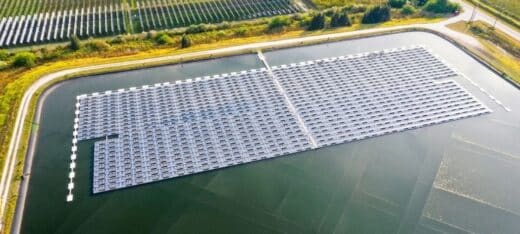
Floating solar projects solve real-world infrastructure challenges by transforming underutilized water surfaces into productive energy assets. As permitting becomes more complex and developable land becomes increasingly scarce, organizations are looking for practical ways to expand renewable energy generation without competing for valuable real estate.
While floating solar tax incentives can help improve initial project economics, the technology’s long-term value comes from the operational and environmental benefits it delivers year after year.
Even when federal incentives are reduced, floating solar projects may remain financially attractive when land acquisition costs, site preparation, infrastructure access, electricity demand, and long-term operational benefits are considered together. A complete project evaluation should look beyond the value of a single tax credit.
Floating Solar Solves a Growing Land Challenge
Finding suitable land for traditional ground-mounted solar projects is becoming increasingly difficult. Available property is more expensive, permitting timelines continue to grow, and many organizations simply do not have enough unused land to support large-scale solar installations.
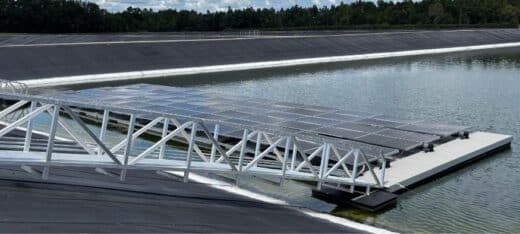
Floating solar provides an alternative by utilizing existing water bodies, including:
- Reservoirs
- Water treatment facilities
- Industrial ponds
- Quarry lakes
- Irrigation infrastructure
Instead of requiring additional land acquisition, these existing assets become immediate opportunities for renewable energy generation. This advantage remains valuable regardless of the solar ITC phase down because it addresses one of the industry’s biggest long-term challenges.
Energy Demand Continues to Rise
Electricity demand across the United States is increasing rapidly. The growth of artificial intelligence, large-scale data centers, manufacturing expansion, electrification, and infrastructure modernization is creating unprecedented demand for reliable electricity generation. The country needs more renewable energy capacity, not fewer deployment options.
Floating solar helps expand where solar can be installed by utilizing water surfaces that would otherwise remain unused. Rather than competing with agriculture, commercial development, or conservation efforts, floating solar increases available deployment opportunities while supporting grid expansion.
Floating Solar Is Proven Technology
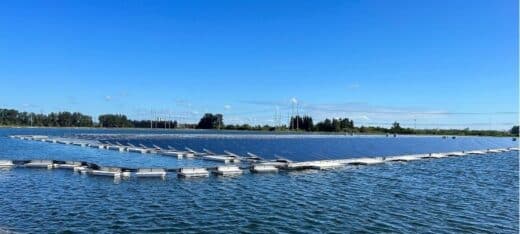
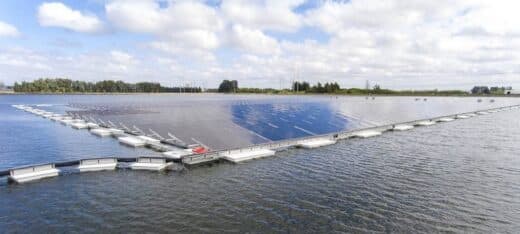
Floating solar is no longer considered an emerging concept. Large commercial projects have operated successfully throughout Europe and Asia for years, demonstrating the technology’s reliability across a variety of climates and applications. The industry continues to benefit from years of operational experience, engineering improvements, and evolving best practices.
Floating solar systems are installed on drinking water reservoirs, industrial facilities, mining operations, wastewater treatment plants, and irrigation infrastructure around the world. This growing track record gives owners, utilities, and investors greater confidence when evaluating future projects.
Floating Solar Tax Incentives and Benefits Beyond Tax Credits
Floating solar tax incentives can enhance project economics and help accelerate renewable energy adoption, but they are only one component of the overall business case. The value of floating solar comes from its ability to preserve land, use existing water infrastructure, support renewable energy goals, and deliver operational benefits throughout the life of a project, including:
- Land preservation by utilizing existing water surfaces
- Water conservation through reduced evaporation
- Improved utilization of existing infrastructure
- Performance advantages from the natural cooling effect of water
Depending on the project location, floating solar tax incentives may also include state renewable energy programs, utility incentives, grants, financing programs, or sustainability funding. Municipalities, utilities, and private developers should evaluate all available programs when calculating project costs and long-term returns.
The Floating Solar Market Continues to Mature
The industry has progressed significantly over the past decade. Projects have been successfully permitted and interconnected. Utilities have gained experience reviewing floating solar developments, regulators are becoming increasingly familiar with project requirements, and investors now have more operating projects to evaluate when assessing future opportunities.
This growing experience reduces uncertainty while improving confidence throughout the development process. As more successful projects come online, the market becomes stronger and better positioned for continued growth.
America’s Water Infrastructure Represents an Untapped Opportunity
The United States has thousands of existing water bodies that could support floating solar development. These include:
- Drinking water reservoirs
- Water treatment facilities
- Industrial ponds
- Quarry lakes
- Irrigation canals and reservoirs
Much of this addressable market remains largely untapped, presenting significant opportunities for utilities, municipalities, industrial operators, and private developers.
Rather than viewing the solar ITC phase down as a reason to slow investment, many organizations recognize that the long-term opportunity continues to expand as energy demand grows and available land becomes more constrained.
Early Experience Builds Long-Term Competitive Advantage
Floating solar is a market built on experience. Companies developing expertise today are positioning themselves for long-term success as adoption accelerates. Engineering knowledge, permitting experience, installation capabilities, and strong industry relationships become increasingly valuable as more projects move from planning to construction.
Success in floating solar will not happen overnight. Organizations investing in innovation, execution, and technical expertise will be best prepared as the industry continues to scale.
Planning a Floating Solar Project During the Solar ITC Phase Down
Organizations considering floating solar should begin by evaluating site suitability, electricity demand, interconnection access, permitting requirements, project timelines, and available incentives. Early planning is especially important during the solar ITC phase down because eligibility may depend on when specific development or construction milestones are reached.
Working with an experienced floating solar project team can help organizations identify potential risks, compare financial scenarios, and determine whether a water asset is suitable for development.
Looking Beyond Incentives
While federal incentives remain an important consideration for many renewable energy projects, floating solar has always been about solving larger infrastructure challenges. The ability to preserve land, generate clean electricity, conserve water, and maximize existing assets provides lasting value that extends well beyond any single incentive program.
At AccuSolar, we remain committed to advancing floating solar because we believe the market’s strongest growth drivers are still ahead. As energy demand rises and organizations seek smarter ways to expand renewable generation, floating solar will continue playing an increasingly important role in America’s energy future. Contact us to learn how floating solar can help maximize your existing water assets and support your long-term renewable energy goals.