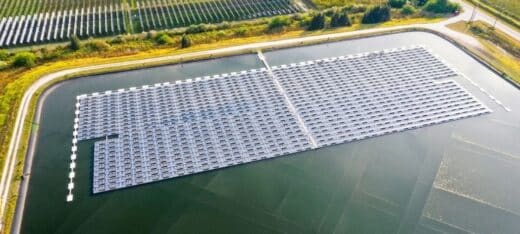
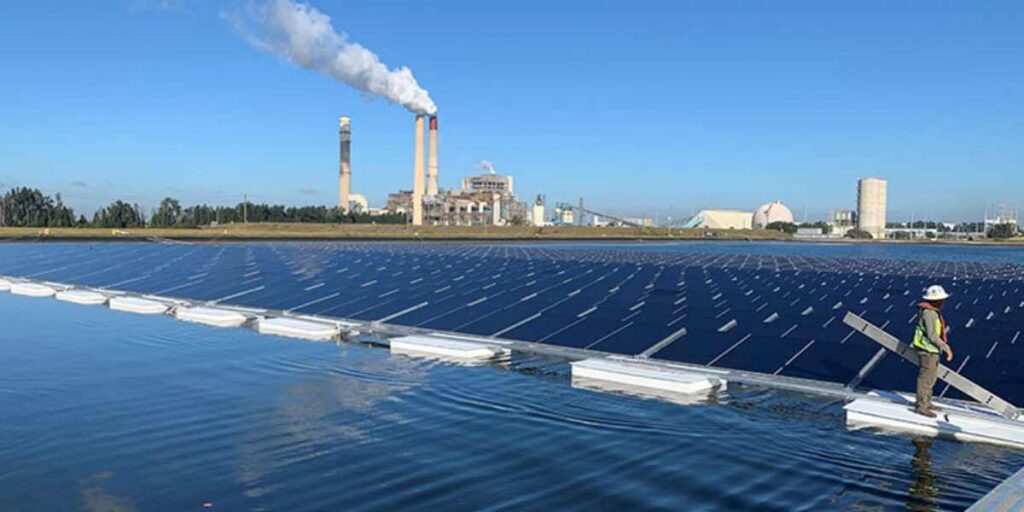
Floating solar projects often look deceptively simple from the shoreline. Solar panels sit on the water, clean energy flows into the grid, and unused reservoirs or industrial ponds suddenly become productive infrastructure. Yet beneath that calm appearance lies a massive amount of solar system design focused on one goal: ensuring the system continues to perform year after year under constantly changing environmental conditions.
Water introduces movement, wind exposure, fluctuating levels, corrosion concerns, and long-term maintenance challenges that traditional land-based solar systems rarely encounter. Successful floating solar projects are not built around short-term installation speed alone. They are engineered around stability, resilience, safety, and long-term operational performance. That is where advanced solar system design becomes essential.
The Complexity of Aquatic Environments
Every component of a floating solar array must work together to minimize risk while maximizing energy production. Engineers analyze buoyancy, anchoring forces, structural loading, thermal performance, maintenance accessibility, and future operational demands long before a project reaches the water. The difference between a high-performing floating solar system and one plagued by maintenance issues often comes down to the initial solar system design.
As floating solar adoption continues growing across reservoirs, canals, treatment ponds, and industrial basins, the industry is placing greater emphasis on engineering systems that can endure changing conditions while maintaining strong energy output for decades.
Why Long-Term Performance Matters More Than Installation Speed
Fast installation schedules often receive significant attention during project planning, but long-term operational success delivers the real value of a floating solar investment. A floating solar system that performs efficiently for decades while minimizing maintenance disruptions can dramatically reduce total ownership costs over time.
Systems designed primarily around reducing upfront installation complexity may face higher operational risks later in their lifecycle in their lifecycles. Effective Floating Photovoltaic design focuses on lifecycle risk and performance, rather than just installation efficiency. This requires a shift in mindset from “how fast can we build it?” to “how long will it last without intervention?”
Engineers must evaluate how the system will respond to:
- Changing wind conditions and gust patterns.
- Water level fluctuations and seasonal flooding.
- Prolonged UV exposure on specialized floating materials.
- Thermal cycling and its effect on electrical connections.
- Storm surges and extreme weather events.
Long-term reliability is achieved through a complete solar engineering design strategy that prioritizes durability. This approach reduces unexpected downtime, lowers maintenance demands, improves system safety, and increases lifetime energy generation.
Solar System Design Must Account for Constant Movement
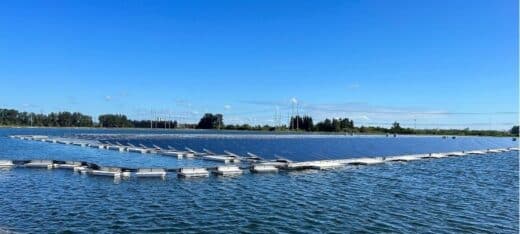
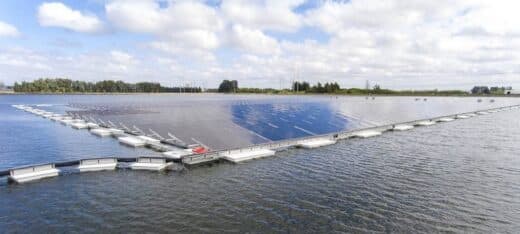
Unlike ground-mounted systems built on stable foundations, floating solar platforms operate in dynamic environments where movement is unavoidable. Wind forces, wave action, reservoir drawdowns continuously place stress on the floating structure and anchoring system.
Modern solar system design focuses heavily on controlling movement while maintaining flexibility where needed. Systems that are too rigid may struggle under changing environmental conditions leading to structural fatigue while systems with excessive movement can increase stress on structural and electrical components.
High-buoyancy platform designs help address this challenge by improving overall stability across the array. Increased buoyancy helps distribute loads more evenly while reducing excessive motion caused by environmental forces. This creates a safer, more resilient operating environment for both the structure and the maintenance personnel. High buoyancy also improves long-term durability by reducing strain on critical connection points throughout the platform.
In floating solar, stability directly impacts performance, safety, and operational reliability. Without a foundation in solid solar engineering design, even the highest quality panels can suffer from micro-cracking due to excessive platform flexing.
Stronger Anchoring Strategies Reduce Long-Term Risk
Anchoring systems are among the most important components of any floating solar installation. Poor anchoring strategies can create excessive stress across the platform, increase lateral movement, complicate maintenance, and raise the likelihood of long-term failures.
Modern floating solar projects increasingly prioritize fewer, stronger anchors rather than relying on excessive anchoring complexity. This strategy helps simplify installation while reducing the number of potential failure points across the system. Fewer anchors can help:
- Reduce shoreline congestion: Allowing for better land-use around the reservoir.
- Minimize underwater obstructions: Protecting local ecosystems and reducing snagging risks.
- Improve accessibility: Allowing maintenance boats to navigate more freely.
Stronger anchoring systems become even more important as floating solar footprints scale larger. Large arrays experience significant cumulative wind loading, and anchoring systems must be engineered to handle those forces without creating instability. Effective anchoring strategies allow floating solar systems to maintain structural integrity while adapting to changing water levels changes of several meters or more.
Elevated Structures Improve Efficiency and System Lifespan
One of the major advantages of floating solar involves the cooling effect created by the surrounding water environment. However, to truly capitalize on this, the solar system design must facilitate heat exchange.
Elevated platform structures allow airflow beneath the solar panels, helping reduce operating temperatures during peak sunlight conditions. Lower panel temperatures improve electrical efficiency as solar cells perform better when cool while also reducing thermal stress on system components. This cooling benefit contributes to stronger long-term performance and can help extend the operational lifespan of the system.
Heat is one of the most persistent challenges facing solar infrastructure. Excessive temperatures can gradually reduce efficiency, accelerate material degradation, and increase stress on electrical equipment over time. Floating solar platforms designed with elevated structures help mitigate many of these issues naturally. Engineers often evaluate airflow pathways, panel spacing, tilt angles, and structural elevation carefully during the design process to maximize these thermal advantages.
Well-planned solar engineering design does not simply focus on keeping panels afloat. It focuses on creating conditions that support efficient energy generation throughout the entire lifecycle of the project. Engineers evaluate airflow pathways, panel spacing, and tilt angles carefully to maximize these thermal advantages.
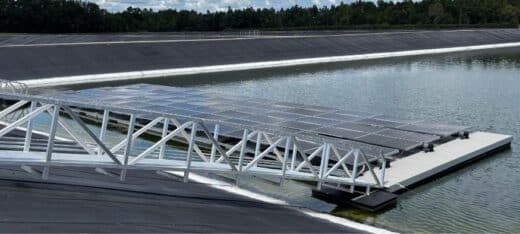
Integrated Walkways Improve Maintenance and System Uptime
Maintenance accessibility has a direct impact on operational costs and long-term system uptime. Floating solar systems without proper access infrastructure can make inspections, cleaning, repairs, and electrical servicing far more difficult.
Without integrated walkways, maintenance crews may require boats or temporary access solutions for every minor check, which increases labor costs and slows response times. Integrated walkway systems help solve this problem by:
- Creating safe, stable access pathways for personnel
- Allowing for dry maintenance of string inverters and combiners
- Reducing the time required for routine cleaning
- Enhancing worker safety in aquatic environments
As floating solar projects continue scaling into the multi-megawatt range, maintenance accessibility is becoming a non-negotiable component of overall solar engineering design. A system that is easy to maintain is a system that stays online.
Flexible Tilt Helps Optimize Performance Over Time
Environmental conditions are never static, and floating solar systems benefit from designs that allow performance optimization as conditions evolve.
Flexible tilt capabilities allow operators to adjust panel angles based on:
Seasonal Sun Positioning: Maximizing irradiance during winter months
Regional Climate Patterns: Adjusting for heavy snow loads or high wind seasons
Self-Cleaning:Steeper tilts can help rainwater wash away debris more effectively
Engineers evaluate tilt strategies carefully to balance structural loading, energy production, and wind resistance. A higher tilt increases wind load, requiring more robust anchoring, whereas a lower tilt may reduce energy yield. Finding the sweet spot is a hallmark of sophisticated solar system design. Even small adjustments in tilt angles can influence long-term system performance significantly.
Floating solar systems designed with adaptability in mind are often better positioned to maintain strong performance across varying environmental conditions over time. This flexibility ensures that the project remains viable even if local environmental regulations or climate patterns shift over the 25-year lifespan of the array.
The Economic Reality: Designing for the Lowest LCOE
The true financial value of floating solar is measured by the Levelized Cost of Energy (LCOE) over decades, not just the capital expenditure during initial deployment.
Systems engineered for durability, stability, accessibility, and efficiency often experience:
Lower Maintenance Costs: Due to better material choices and accessibility
Reduced Operational Disruptions: Fewer structural failures and electrical faults
Stronger Long-Term Production: Better thermal management and optimized tilts
These factors work together to improve overall project economics. When solar engineering design is treated as a priority, the total cost of ownership drops significantly. This philosophy continues shaping the future of floating solar development as project owners place great emphasis on resilience and operational consistency.
Designing for the Future
Floating solar continues gaining momentum across the renewable energy industry because it offers far more than efficient land use. It provides a unique synergy between water management and energy production. However, the complexity of the water environment means that off the shelf solutions rarely suffice. Properly engineered systems can deliver stability, durability, cooling advantages, maintenance accessibility, and long-term renewable energy production from underutilized water surfaces.
As the industry evolves, engineering quality will remain one of the defining factors separating high-performing floating solar projects from systems that struggle with operational reliability.
The future of floating solar will not be defined by who installs the fastest. It will be defined by who designs for long-term success from the very beginning. By prioritizing rigorous solar system design and holistic solar engineering design, developers can ensure that their floating assets remain productive, safe and profitable for their entire intended lifespan.
Are you ready to take your energy production to the water? Contact us to learn how AccuSolar’s engineered floating solar platforms are designed for long-term stability, durability, and performance across a wide range of water environments.