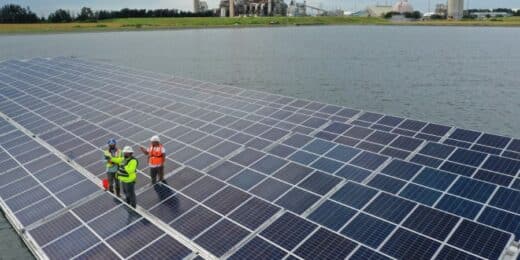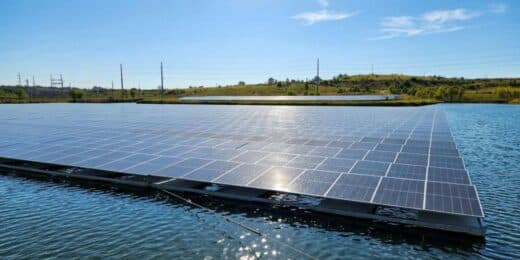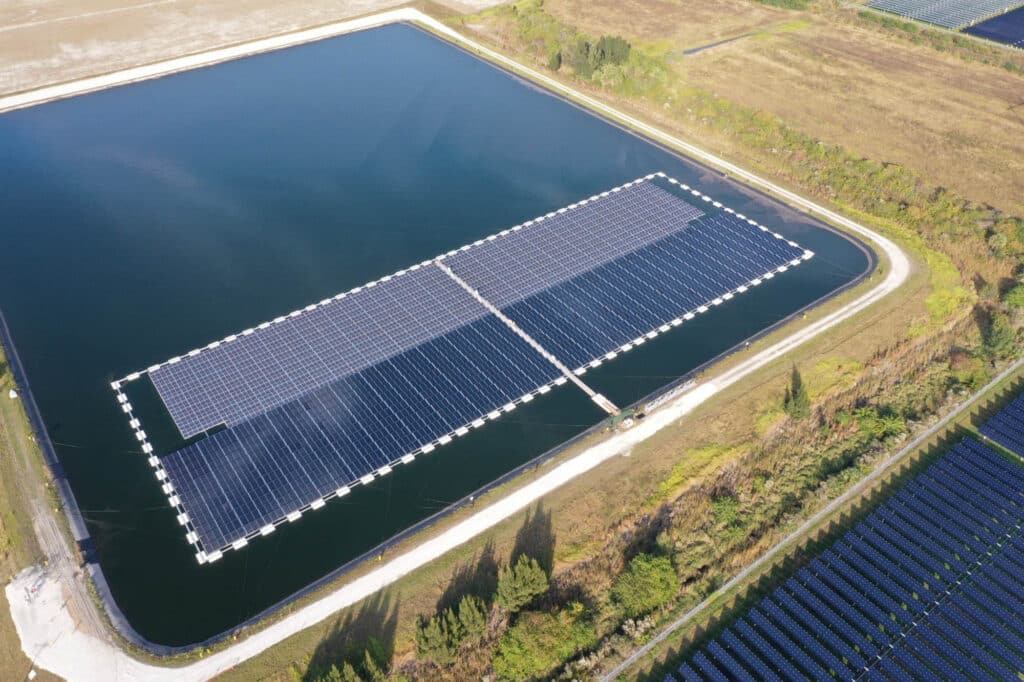
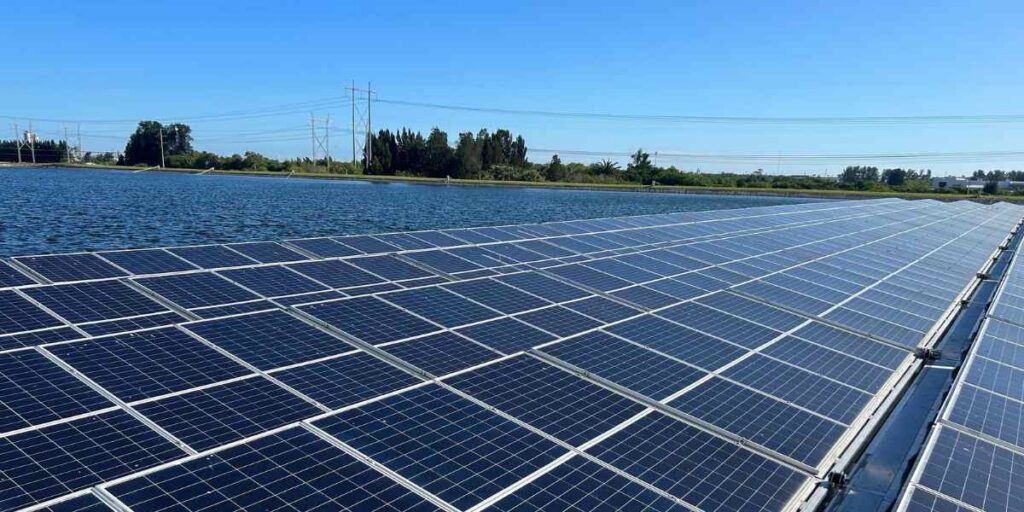
Floating solar has quickly evolved from an emerging renewable energy concept into one of the fastest-growing sectors of the solar industry. Reservoirs, industrial ponds, canals, and water treatment facilities are being transformed into productive clean energy assets without consuming valuable land space. Yet despite the growing popularity of floating solar, many stakeholders still wonder how solar panels actually perform when installed on water.
Do waves impact energy production? Does movement affect long-term reliability? Can floating systems maintain strong electrical output over time?
The answer depends on far more than the solar panels themselves. Performance on water is a result of how well the system controls environmental factors, not just the quality of silicon cells. Structural stability, buoyancy, anchoring design, cooling benefits, and movement management all influence how efficiently a floating solar array performs over the course of decades.
Water Creates a Different Operating Environment
Solar panels installed on land face a very different set of environmental conditions compared to systems installed on water. Ground-mounted arrays must contend with heat buildup from surrounding soil, uneven terrain, dust accumulation, and land-use limitations. Floating solar introduces new engineering considerations, but it also creates unique operational advantages.
One of the biggest differences is temperature regulation. It is a well-documented scientific fact that solar panels naturally lose efficiency as temperatures rise. Excessive heat can reduce energy output and contribute to gradual long-term degradation of electrical components.
Floating solar helps address this challenge through elevated platform design and natural cooling from the surrounding water surface. Water temperatures are often significantly lower than nearby land temperatures, especially during peak sunlight hours. As air moves beneath the floating platform, excess heat dissipates more efficiently than it would on many traditional ground-mounted systems.
The Thermodynamic Advantage of Water Based Cooling
The heat sink effect is one of the primary solar panel efficiency factors that gives floating solar systems an edge. Studies have shown that floating panels operate roughly 41° to 50°F cooler than land-based counterparts. Over a year of production, this thermal advantage can translate to a 5% to 15% increase in total energy yield.
Lower operating temperatures also reduce thermal stress on solar components, wiring, and electrical connections. By preventing the constant expansion and contraction associated with extreme heat cycles, floating systems can effectively slow the rate of equipment degradation.
The Albedo Effect and Bifacial Gains
Floating solar systems benefit from another advantage that is often overlooked, reflected sunlight from the water surface. This phenomenon, known as the albedo effect, occurs when sunlight reflects off the water and reaches the solar panels.
While water typically has a lower albedo than white gravel or specialized land membranes, it provides a consistent source of diffused light. When paired with bifacial solar panels which can capture light from both the front and back sides, this reflective energy can provide a measurable boost to solar panel performance. Even a small 2% to 4% gain from rear-side absorption can result in thousands of dollars in additional revenue over the lifespan of a utility-scale project.
How Stability and Movement Impact Solar Panel Performance
One of the most common misconceptions about floating solar is that the platforms constantly shift or move dramatically in the water. In reality, professionally engineered floating solar systems are designed to minimize movement and maintain stability even in challenging conditions.
High buoyancy is essential for controlling motion across the array. Large flotation sections help distribute weight evenly while maintaining consistent support across the platform structure. This stability helps protect electrical infrastructure and structural components from unnecessary stress.
The Risk of Micro-Cracking
Excessive movement is more than just a structural concern, it is a direct threat to solar panel performance. If a platform is too flexible or poorly stabilized, waves can cause the solar modules to flex. This mechanical stress can lead to micro-cracks in the silicon cells. These cracks are invisible to the naked eye but create dead zones in the panel that permanently reduce electricity production.
High-buoyancy floating platforms help reduce these risks by minimizing unnecessary movement caused by waves, wind, or fluctuating water conditions. A more stable platform creates a more predictable operating environment for both structural and electrical systems.
Strong platform stability also supports safer maintenance access, allowing technicians to inspect equipment more efficiently while reducing operational challenges associated with unstable walkways or uneven surfaces.
Anchoring Systems The Foundation of Reliability
Buoyancy alone is not enough to ensure long-term reliability. Anchoring systems play an equally important role in floating solar stability. Floating solar arrays must withstand changing water levels, wind forces, wave activity, and shifting environmental conditions throughout the year.
Without a properly engineered anchoring strategy, even a durable platform design may struggle to maintain consistent positioning over time. Strong anchoring systems help maintain stability in variable water conditions while controlling lateral movement across the floating array.
Anchoring Methods for Variable Environments
Depending on site conditions, projects may utilize:
Bottom Anchoring: Using heavy weights or helical piles at the bottom of the reservoir.
Shoreline Anchoring: Securing the array to the land surrounding the water body, ideal for smaller industrial ponds.
Hybrid Systems: A combination of both, providing maximum stability against high-wind events.
The interaction between platform rigidity and anchoring strength has a direct impact on long-term solar panel efficiency factors. Systems designed with rigid structural framing can often distribute environmental forces more efficiently across the platform, helping reduce stress concentrations on individual anchor points. Well-designed anchoring also helps preserve proper panel orientation and tilt alignment.
Reduced Movement Helps Preserve Long-Term Output
Movement management affects more than just structural durability, it also impacts long-term energy consistency. Reduced movement and mechanical stress help lower maintenance costs while preserving long-term system output.
Over time, minimizing repetitive stress cycles helps extend the operational lifespan of key system components. This is particularly important for utility-scale floating solar installations expected to operate for 25-30 years.
The industry increasingly recognizes that many important solar panel efficiency factors extend beyond panel specifications alone. Environmental control, structural stability, cooling behavior, anchoring performance, and stress reduction all contribute to total system health.
Engineering Determines Long-Term Success
Not all floating solar systems are engineered the same way. Differences in flotation design, anchoring methods, structural rigidity, and platform stability can significantly influence long-term performance outcomes.
Materials Matter: The use of High-Density Polyethylene (HDPE) with UV inhibitors is the industry standard for floats. However, the thickness and blow molded vs rationally molded quality of these floats determine whether they will remain buoyant for 30 years or become brittle and crack under the sun.
Maintenance Accessibility: A major factor in long-term solar panel performance is how easily the system can be serviced. If a platform is unstable, technicians cannot safely perform thermal imaging or wire inspections. Systems with small issues like a connector don’t turn into major production losses because they were too difficult to reach.
Local Geography: Environmental conditions vary dramatically between project locations. Reservoirs, canals, industrial ponds and wastewater facilities each present different wind exposure levels and water fluctuations. Engineering strategies must account for these variables rather than relying on one-size fits all platform approaches.
Floating Solar Continues to Prove Its Long-Term Potential
As renewable energy infrastructure continues evolving, floating solar is proving that water-based solar generation can deliver both stability and strong long-term energy production.
Floating solar is no longer viewed as an experimental concept. It has become a sophisticated engineering solution capable of transforming underutilized water surfaces into productive clean energy assets. By controlling solar panel efficiency factors through superior cooling and rigid structural design, floating solar delivers the durability required for long term success.
Contact us to learn how AccuSolar’s engineered floating solar platforms are designed to deliver long-term stability, durability, and reliable solar panel performance across reservoirs, industrial ponds, and canals.