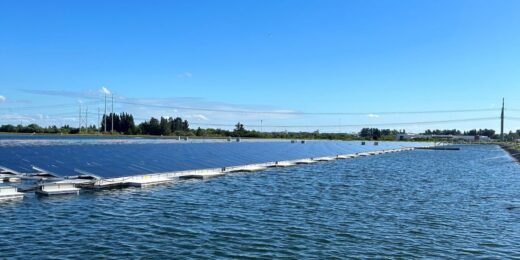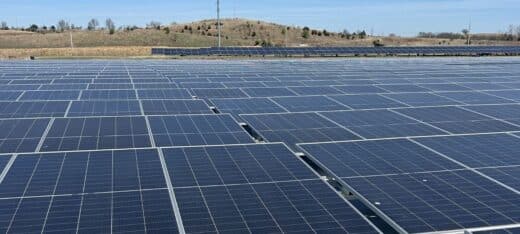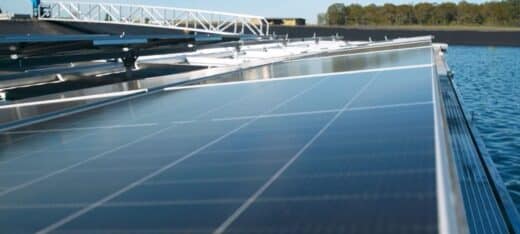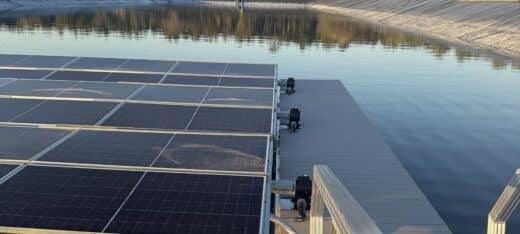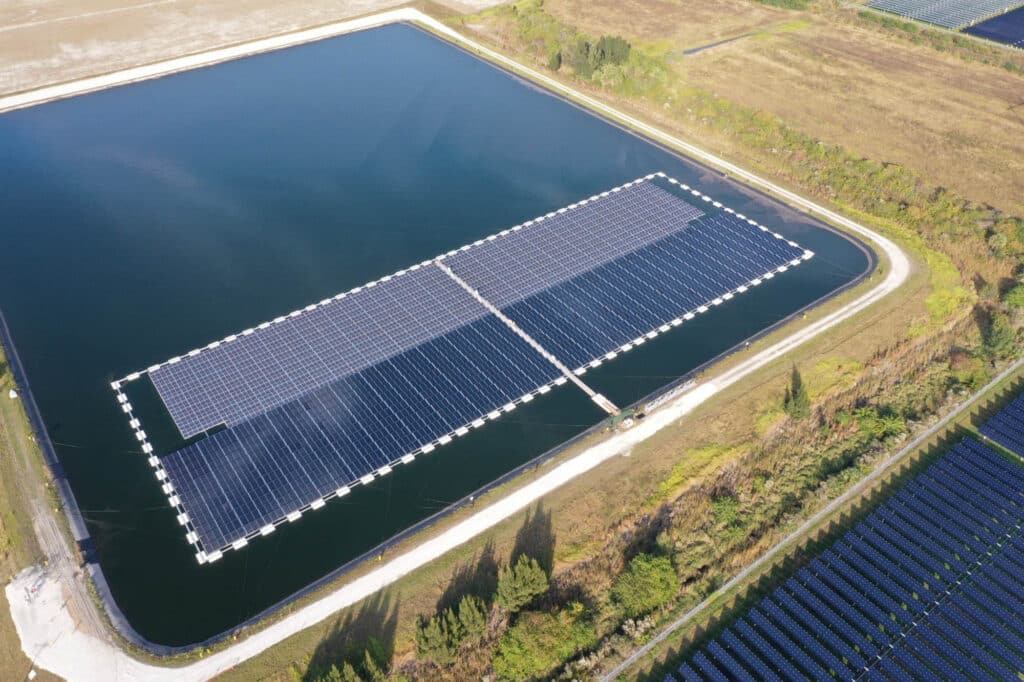
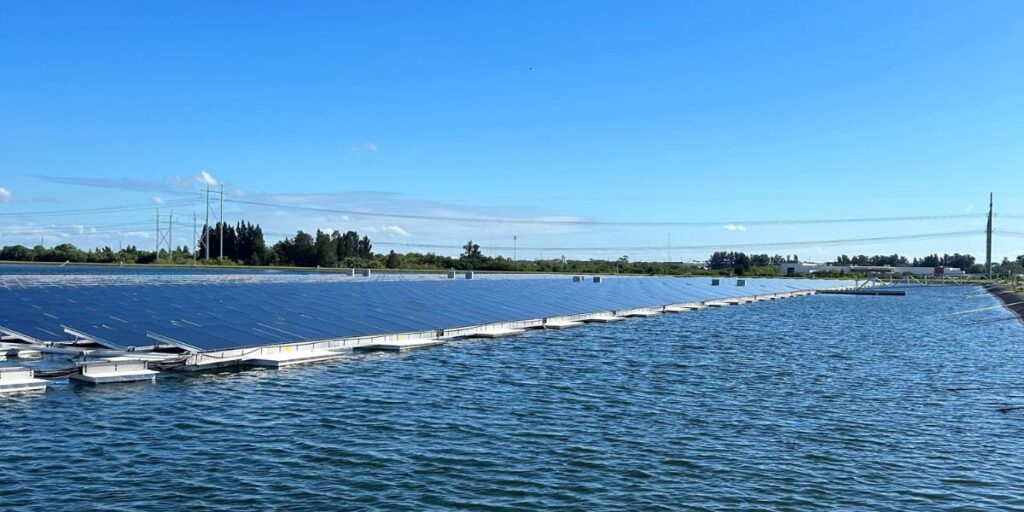
Floating solar projects may appear simple from a distance, panels float on water, generate renewable energy, and transform underutilized reservoirs, ponds, and industrial basins into productive assets. Yet behind every successful floating solar installation is an enormous amount of engineering analysis. This data-driven approach determines whether a project will thrive for decades or struggle with avoidable performance issues.
Modern floating solar systems are no longer designed through rough estimates. Developers, utilities, and EPCs increasingly rely on advanced solar simulation tools to evaluate performance long before installation begins. Through comprehensive solar modeling, variables like water movement, wind loading, and anchoring behavior can be digitally validated before a single float enters the water.
Why Floating Solar Requires Specialized Engineering Analysis
Floating solar systems operate in a dynamic environment unlike traditional ground-mounted solar projects. While land-based systems sit on stable surfaces, floating platforms must interact with:
Hydrodynamic Forces: Wave action and currents impact structural integrity.
Fluctuating Water Levels: Changing depths create dynamic anchoring forces.
Open-Water Wind Loads: Wind behaves differently over water than across land.
Microclimate Variables: Water provides a natural cooling effect that alters panel efficiency.
Utilizing solar simulation allows engineers to understand how these variables interact. Instead of estimating, teams can use solar modeling to refine layouts and optimize anchoring strategies, resulting in a more predictable, bankable project.
Improving Energy Production Forecasting
One of the most valuable benefits of advanced floating solar analysis is improved production forecasting. Solar modeling helps ensure that energy output assumptions which influence ROI and utility forecasting are based on reality rather than generic data.
Floating solar systems often outperform land-based solar due to:
Thermal Regulation: Cooler operating temperatures maintain higher efficiency levels.
Albedo Effects: Reflective water surfaces contribute additional irradiance.
Configurable Angles: Solar simulation helps identify the ideal tilt to maximize annual generation based on regional weather patterns.
Without detailed solar modeling, developers risk underestimating production potential, leaving energy and revenue on the table before financing discussions even begin.
Structural Analysis Supports Long-Term Reliability
Structural stability is critical for long-term project success. Floating solar arrays experience environmental forces that evolve over the project’s lifespan. Solar simulation of wind and water movement reduces failure risk by identifying structural weaknesses early.
This becomes especially important for utility-scale arrays. Larger footprints require careful solar modeling of mooring loads and dynamic movement. For asset owners, this structural confidence improves financing terms, as investors want assurance that the infostructure won’t create excessive maintenance demands.
Optimizing Electrical System Performance
Higher production potential only benefits the project owner if the electrical infrastructure is properly configured. Proper solar simulation informs inverter sizing, preventing energy clipping where generated power is lost because the inverter cannot process the peak load.
By using solar modeling to evaluate expected production curves and thermal conditions, engineers can size equipment accurately. This ensures that gains created by cooling effects and optimized tilt are fully captured rather than lost to system limitations.
AccuSolar’s Engineering-Focused Design Philosophy
Engineering analysis is most effective when paired with a platform built for flexibility.
AccuSolar integrates solar simulation into its design philosophy by offering:
Rigid Framing: For superior structural durability.
Configurable Tilt and Layouts: Giving engineers the freedom to optimize designs during the solar modeling phase.
Integrated Walkways: Improving accessibility for long-term maintenance.
The Future of Floating Solar Modeling
As adoption accelerates, engineering expectations are becoming more sophisticated. Digital solar simulation allows stakeholders to evaluate risk and validate performance assumptions simultaneously. This shift moves floating solar from a conceptual idea into a fully engineered infrastructure asset.
The strongest floating solar projects are no longer built on assumptions. They are built on the precision of solar modeling and detailed performance validation.
Ready to see how precision engineering can impact your ROI? Contact us to learn how AccuSolar’s floating solar platforms are designed to support advanced solar simulation and optimized project performance.