When people ask about floating solar, one of the first questions is usually simple: Will the system last? Solar developers, utilities, municipalities, and investors are all thinking beyond year-one performance. They want to know how a system will operate after years of changing weather, fluctuating water levels, constant UV exposure, and ongoing maintenance demands.
The truth is that long-term performance depends on much more than the solar panels themselves. A floating solar array is a complete engineered system where structure, buoyancy, anchoring, maintenance accessibility, and material selection all play a major role in protecting energy production over time.
That is why discussions around durability should focus on the entire platform, not just the wattage rating listed on a solar panel datasheet. A strong floating solar design helps preserve energy output, reduce maintenance costs, and extend operational reliability for decades.
How Long Do Solar Panels Last on Floating Solar Systems?
When discussing how long do solar panels last, many people focus only on manufacturer warranties or module degradation rates. In reality, the overall solar panel lifespan in a floating environment is shaped by the interaction between the panels and the platform supporting them.
Traditional solar panels are often designed with a lifespan of 25 to 30 years. However, achieving that level of performance on water requires careful engineering. Humidity, wind loading, and constant structural movement can all influence system durability if the design is not optimized for long-term operation.
A well-engineered floating solar platform helps preserve energy production throughout the life of the project by reducing environmental stress on critical components. The most successful systems are designed holistically, meaning every structural element works together to protect electrical performance over time.
Cooling Benefits Help Preserve Long-Term Energy Output
One of the biggest advantages floating solar offers is natural cooling. Solar panels perform more efficiently at lower temperatures, and the presence of water beneath the array creates a moderating effect that helps reduce heat buildup.
Excessive heat is a primary contributor to accelerated degradation. Higher operating temperatures increase wear on electrical components and can gradually reduce power output. Floating solar systems benefit from evaporative cooling and airflow near the water surface, helping modules maintain more stable operating temperatures.
This cooling effect not only improves immediate energy production but can also help extend the solar panel lifespan. Lower thermal stress reduces the rate of degradation, allowing systems to maintain stronger performance year after year.
Structural Stability Reduces Failure Risk
Floating solar systems constantly interact with environmental forces. Wind, waves, shifting water levels all place stress on the structure. Without proper engineering, that stress can gradually affect the performance of the entire array.
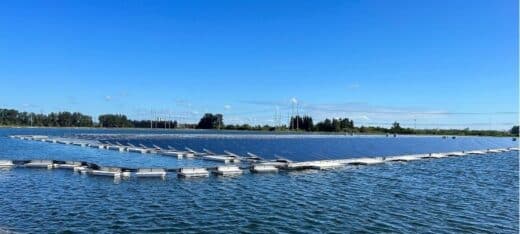
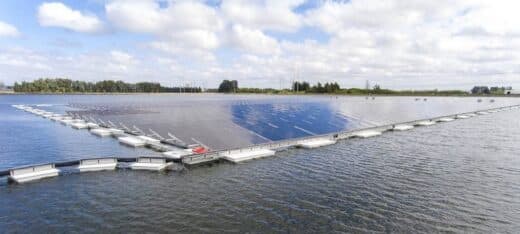
A stable floating structure helps minimize mechanical strain. Proper anchoring and buoyancy design are essential for maintaining alignment and protecting electrical components. Rigid framing systems provide an additional advantage by distributing loads more evenly reducing the concentrated stress points that contribute to fatigue.
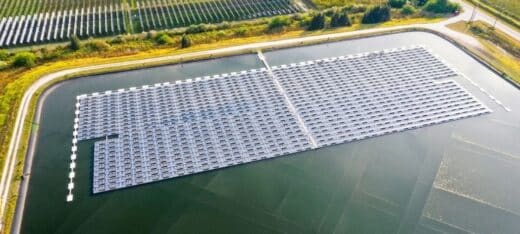
The importance of stability becomes even greater on larger projects where forces increase significantly as the footprint expands. Dynamic mooring strategies, engineered anchoring systems, and properly designed flotation all work together to maintain consistent structural performance.
When discussing how long do solar panels last, the conversation should include how well the system protects panels from mechanical stress. Structural reliability is a major factor in determining whether a project continues operating efficiently for decades.
Material Selection and Corrosion Resistance
Floating solar systems operate in harsh aquatic environments. Constant moisture, UV radiation and temperature fluctuations contribute to long-term wear making material selection critical to the solar panel lifespan.
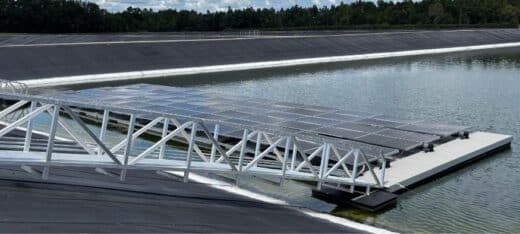
Aluminum framing has become an important design choice for many floating solar platforms because of its corrosion resistance and structural reliability. Marine-grade aluminum helps reduce the risk of rust-related deterioration while supporting long-term structural integrity.
Marine-grade aluminum framing has become a preferred choice because of its corrosion resistance and structural reliability. Selecting durable materials from the beginning reduces the risk of rust-related deterioration and minimizes long-term maintenance or replacement costs. In floating solar, durability is about maintaining reliable performance while minimizing operational expenses throughout the life of the asset.
Maintenance Accessibility Protects System Performance
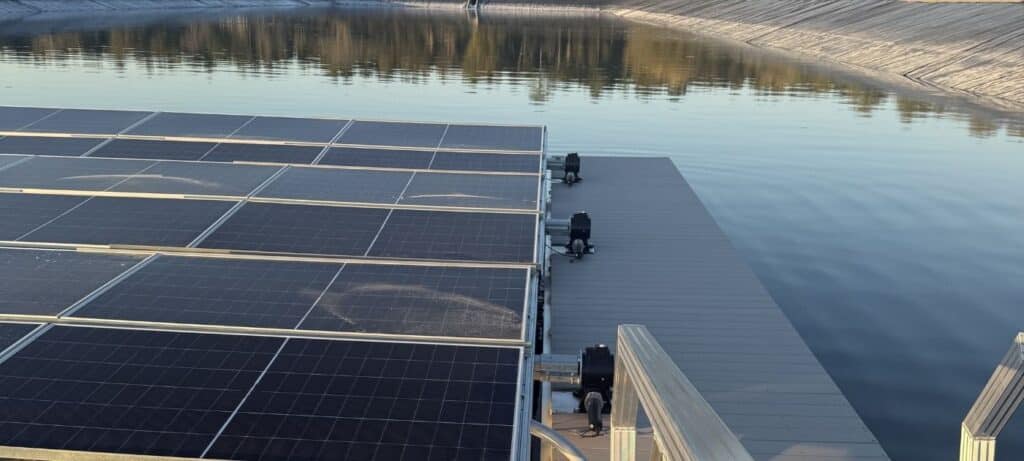
Even the best solar systems require regular inspections. The ability to safely access equipment is a major factor in protecting long-term performance. Integrated walkways provide a significant advantage allowing operators to move through the system to perform inspections without relying on boats.
Consistent access helps reduce small issues before they become larger operational failures. When maintenance is difficult performance issues may go unnoticed eventually shortening the effective solar panel lifespan due to neglect or avoidable electrical faults.
The Financial Impact of Extended System Lifespan
For project owners and investors, longevity directly influences total lifetime energy generation and return on investment. A system that performs efficiently for decades produces substantially more electricity than one experiencing higher degradation or frequent disruptions.
When evaluating floating solar projects, stakeholders are increasingly looking beyond upfront costs to focus on total lifecycle performance. Understanding how long do solar panels last in floating applications requires looking at the entire ecosystem supporting the modules.
Designing Floating Solar for Long-Term Success
The most effective floating solar designs prioritize:
- Stable anchoring systems that minimize structural movement
- Durable materials that resist corrosion in aquatic environments
- Cooling advantages that reduce thermal stress on panels
- Accessible layouts that simplify maintenance and inspections
- Integrated system engineering that protects long-term energy production
Together, these factors determine the overall solar panel lifespan and the financial success of the asset. Thoughtful system design ensures that the floating solar system remains a reliable, future ready energy solution for decades to come.
Contact us to learn how innovative floating solar design solutions can help maximize long-term performance, reduce maintenance costs, and improve the lifetime value of your solar investment.