The renewable energy industry is evolving rapidly, but generating clean power is only half the challenge. The real test comes when that energy needs to move beyond the project site and into the electrical grid reliably, consistently, and efficiently. No matter how advanced a solar installation may be, its long-term success ultimately depends on how well it delivers usable energy to utilities, municipalities, businesses, and consumers.
As utility-scale solar projects continue expanding across the country, developers are paying closer attention to system performance, generation predictability, and storage compatibility. The conversation is no longer centered solely around installed capacity. Grid operators want dependable energy production profiles that support overall grid stability while maximizing the value of renewable generation. That’s where solar grid integration becomes one of the most important aspects of modern renewable energy development.
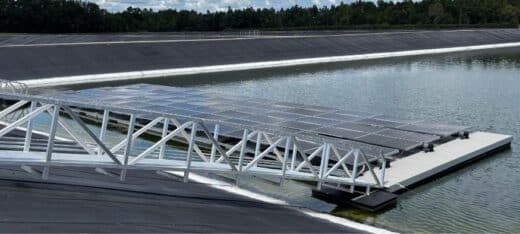
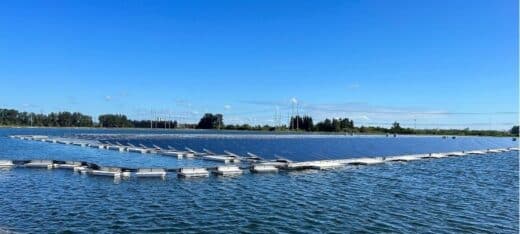
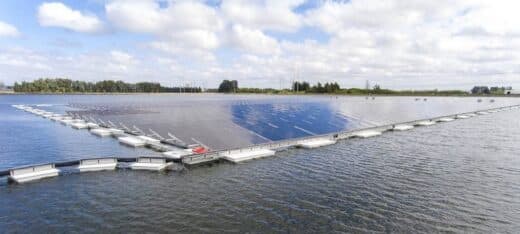
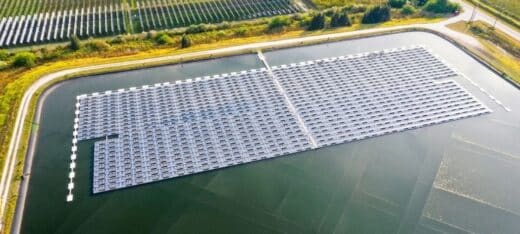
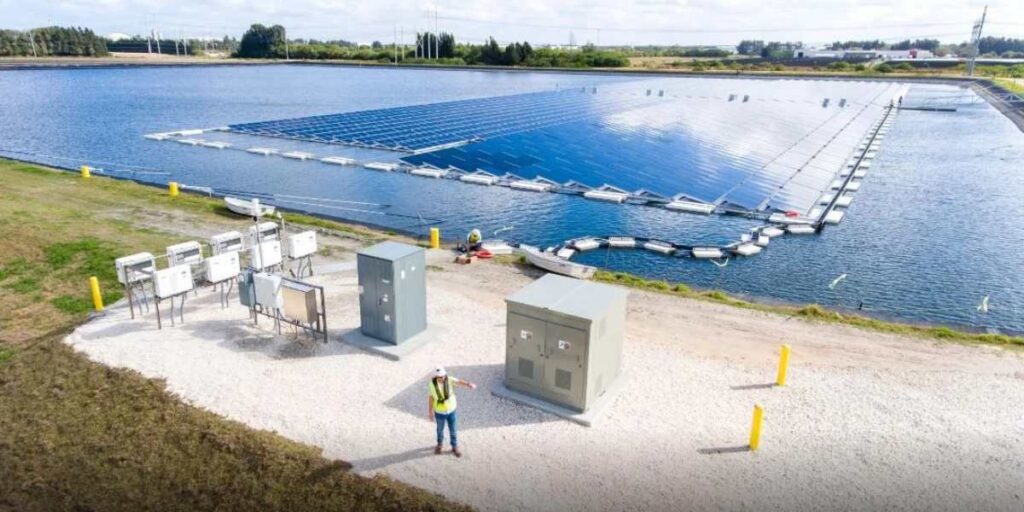
For floating solar systems in particular, optimized system design can create stronger production consistency, improve battery energy storage performance, and help utilities better manage changing energy demand throughout the year. With the right engineering approach, floating solar can deliver energy that is not only clean, but highly dependable.
Why Grid Integration Matters More Than Ever
As renewable energy penetration increases nationwide, utilities are balancing more variable generation sources than ever before. Traditional power plants typically produce electricity on predictable schedules, while solar generation fluctuates based on weather conditions, daylight hours, and seasonal demand patterns. This variability places enormous importance on grid integration strategies.
Successful renewable projects must do more than simply produce electricity. They must produce energy in a way that utilities can forecast, manage, and distribute efficiently. Consistent performance helps reduce strain on transmission systems while improving overall reliability across the grid.
In many cases, solar grid integration depends on predictable production curves rather than maximum nameplate capacity alone. A project capable of delivering stable output day after day often provides greater operational value than one that experiences frequent fluctuations or underperformance.
Floating solar systems can help strengthen this transition:
Colling Effects: Solar panels installed over water benefit from natural thermal regulation, improving efficiency levels compared to land-based systems.
Stable Generation: Improved thermal regulation contributes to more stable generation throughout the day.
Resource Reliability: Higher and more stable output improves the value of energy delivered to utilities and grid operators managing demand in real time.
Understanding Solar Grid Integration
At its core, solar grid integration refers to the process of connecting renewable energy systems to existing electrical infrastructure so generated power can be safely distributed and utilized.
While that may sound straightforward, the reality involves an intricate combination of electrical engineering, infrastructure planning, system controls, transmission coordination, and utility compliance. Developers must ensure energy production aligns with local grid capabilities while maintaining safe operating conditions across all interconnected systems.
This process involves multiple critical components:
- Inverter sizing and configuration
- Voltage regulation
- Grid synchronization
- Energy forecasting
- Battery energy storage integration
- Utility coordination
- Production monitoring systems
Improper system design can create energy clipping, unstable output profiles, or unnecessary curtailment that reduces the total usable energy reaching the grid. Proper engineering ensures projects capture the full value of every megawatt generated. For floating solar developers, system stability also becomes a major advantage. A structurally stable platform helps maintain panel orientation, minimizes operational disruptions, and supports more consistent energy production over time.
Why Consistent Energy Production Matters
One of the biggest misconceptions in renewable energy development is the idea that installed capacity alone determines project value. In reality, utilities care deeply about consistency.
Solar grid integration depends heavily on reliable generation patterns. Utilities forecast expected production levels in order to balance supply and demand across the electrical system. When production becomes unpredictable, operators may need additional reserve generation capacity to compensate, which reduces overall grid efficiency and increases operational complexity.
Floating solar systems designed with optimized tilt angles, strong anchoring strategies, and carefully engineered electrical integration help improve production stability. This is especially important as more utilities pair renewable projects with Battery Energy Storage Systems (BESS). When generation profiles remain stable, storage systems can charge and discharge more effectively, maximizing storage ROI while enhancing dispatch flexibility during peak demand periods.
Seasonal Tilt and Energy Value Optimization
Not all solar production carries the same value. Electricity demand changes throughout the year based on weather, industrial activity, and regional consumption patterns. Seasonal tilt adjustments allow floating solar systems to better align production with changing sun angles and seasonal demand curves.
By optimizing panel orientation throughout the year, developers can increase generation during periods when electricity carries higher market value. This approach ensures projects produce energy when the grid needs it most, improving both economic returns and operational usefulness.
The Importance of Proper System Design
No renewable energy project can succeed without proper electrical integration planning. Inverter sizing, cable management, transformer coordination, and electrical balancing are all essential factors in determining how much generated energy actually reaches the grid.
Improper inverter sizing, for example, can lead to clipping during peak production hours. When solar arrays generate more electricity than the inverter can process, excess energy is lost. Proper system integration ensures the full capture of generated energy while maintaining grid compatibility.
As renewable projects scale, these design details become increasingly important. Modern grid operators expect renewable assets to behave more like dependable infrastructure, placing a premium on engineering quality and system durability.
Navigating the Solar Interconnection Process
Beyond engineering considerations, developers must also navigate the regulatory and utility requirements associated with the solar interconnection process. Every utility territory operates differently, and solar interconnection approval timelines can vary significantly depending on transmission availability and local infrastructure constraints.
Projects often require detailed studies evaluating:
- Grid capacity and voltage impacts
- Protection coordination
- Transmission compatibility
- Potential infrastructure upgrades
Delays in solar interconnection approvals can impact project timelines and financing schedules. As renewable adoption accelerates, interconnection queues are becoming increasingly competitive. Developers who prioritize integration planning early in the design phase are often better positioned to avoid costly redesigns or operational limitations later in the process.
The Future of Solar Grid Integration
As renewable energy continues reshaping the electrical landscape, solar grid integration will only grow more important. The next generation of solar projects will not be evaluated solely on installed capacity or lowest upfront cost. Utilities and energy buyers increasingly prioritize projects capable of delivering stable, predictable, and dispatchable renewable energy.
Floating solar is uniquely positioned to support this transition. With improved thermal performance, stable generation profiles, and compatibility with battery storage systems, floating solar offers developers new opportunities to create higher-value renewable assets.
Contact us to learn how AccuSolar’s floating solar platforms are engineered for long-term performance, reliable energy generation, and seamless solar grid integration across utility, industrial, and municipal projects.