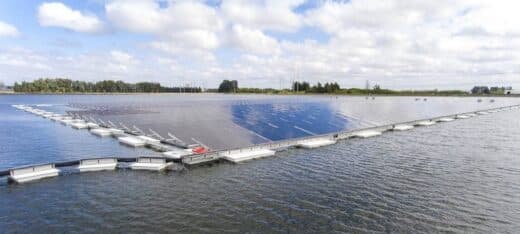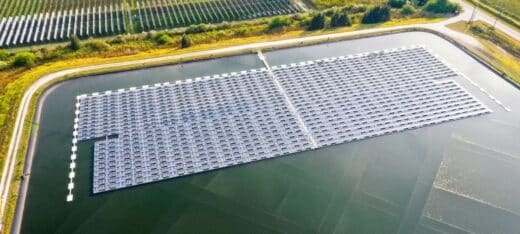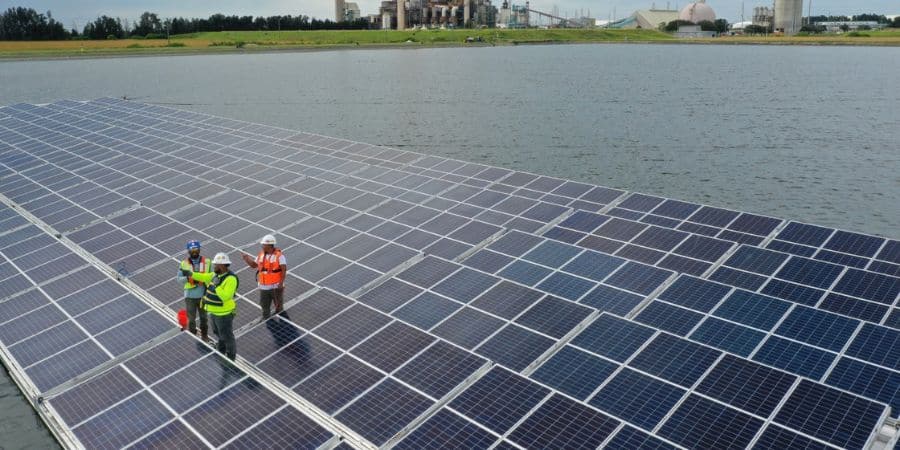
Floating solar projects are gaining momentum as utilities, municipalities, commercial property owners, and energy developers look for new ways to generate renewable energy without requiring large areas of valuable land. By installing photovoltaic systems on ponds, reservoirs, and other suitable waterbodies, floating solar can turn underutilized water surfaces into productive clean energy assets.
Like any energy infrastructure project, however, floating solar does not move from concept to operation overnight. A successful project requires coordination between site owners, developers, engineers, utilities, permitting agencies, equipment suppliers, contractors, and other project partners.
Understanding the floating solar project timeline early can help project teams establish realistic expectations, identify opportunities to accelerate development, and prevent unnecessary delays. While every site has different requirements, many projects follow the same general stages, beginning with site evaluation and feasibility and continuing through engineering, permitting, procurement, installation, commissioning, and power generation.
The key is not simply moving quickly. It is completing the right work early enough that later phases can progress without having to revisit decisions that should have already been made.
Floating Solar Project Timeline and What to Expect
There is no single schedule that applies to every floating solar installation. A smaller project on a straightforward man-made pond with nearby electrical infrastructure may progress significantly faster than a large project requiring extensive environmental review, interconnection upgrades, or complex permitting.
As a general planning range, a floating solar project may take approximately 12 to 24 months from initial evaluation to commercial operation, although certain projects can move faster and others may take longer. Large utility-scale projects or sites with complicated environmental, permitting, or interconnection requirements can extend beyond that range.
A typical schedule may look something like this:
Initial site evaluation and feasibility: 1–3 months
Preliminary design and engineering: 1–3 months
Permitting, environmental review, and interconnection: 3–12+ months
Final engineering and procurement: 2–6 months
Site preparation and installation: 1–4 months
Electrical completion, testing, and commissioning: Several weeks to 2 months
These stages do not always occur one after another. One of the most effective ways to shorten the overall schedule is to identify activities that can safely move forward at the same time. Preliminary engineering, permitting preparation, utility coordination, equipment planning, and environmental due diligence may overlap rather than waiting for one phase to completely finish before the next begins.
That approach can make the overall solar project development process more efficient while still allowing the necessary technical and regulatory work to be completed.
Stage 1: Initial Site Evaluation
The first stage is determining whether a waterbody is a good candidate for floating solar.
A preliminary evaluation should look at more than the available surface area. Project teams need to consider the characteristics of the waterbody, surrounding property, electrical infrastructure, site access, environmental conditions, ownership, and intended project capacity.
Common factors reviewed during an initial site evaluation include:
- Waterbody size and usable surface area
- Water depth and water-level fluctuations
- Shoreline conditions
- Existing waterbody uses
- Wind and weather exposure
- Shading from trees, buildings, or nearby structures
- Access for construction equipment
- Proximity to electrical infrastructure
- Potential interconnection location
- Environmental or ecological considerations
- Potential anchoring and mooring locations
For many sites, this preliminary evaluation can be completed relatively quickly when accurate information is readily available.
Project owners can help accelerate this stage by gathering existing site documentation before engineering begins. Surveys, bathymetric information, electrical drawings, utility information, historical water-level data, property records, and environmental studies can all provide useful information.
When project teams have to locate or recreate basic site information after development has started, the schedule can quickly expand.
Stage 2: Feasibility and Concept Development
Once a site appears suitable, the project can move into a more detailed feasibility assessment. At this stage, the team begins determining how much of the waterbody could reasonably be used, how much power the project could generate, and what system configuration may be appropriate.
A conceptual layout can help establish the approximate array size, orientation, access requirements, equipment locations, anchoring strategy, and electrical routing. This is also an important time to identify constraints that could affect the project later.
For example, a site may have enough water surface for a large array but limited available interconnection capacity. Another location may have excellent electrical infrastructure but require additional setbacks from portions of the shoreline. Water-level changes may influence the mooring design, while existing operational requirements could limit how much of the water surface is available. Finding these constraints during feasibility is much easier than discovering them after equipment has been ordered or final engineering is underway.
Early feasibility work also helps project owners determine whether the project makes financial and operational sense before committing significant resources to development.
Stage 3: Early Utility Coordination
Electrical interconnection is one of the most important schedule considerations for a solar project. Depending on the project size and location, the utility may need to evaluate whether the existing electrical system can accept the proposed generation.
Larger projects may require an interconnection study, system upgrades, additional equipment, or other utility requirements before the project can operate.
Utility review timelines are not always controlled by the project developer, making early coordination especially important. Instead of waiting until every other aspect of the project is complete, teams can begin discussing interconnection requirements while feasibility and preliminary engineering are underway.
Early utility engagement can help answer several important questions:
- Where is the preferred point of interconnection?
- How much generation capacity can the existing infrastructure support?
- Will system upgrades be required?
- What studies or applications are necessary?
- What equipment requirements must be incorporated into the design?
- What is the utility’s expected review timeline?
The earlier these questions are answered, the easier it becomes to build the rest of the project around realistic electrical requirements.
Stage 4: Preliminary Engineering
With initial feasibility established, the project can move into preliminary engineering.
Floating solar introduces design considerations that differ from traditional ground-mounted solar. The array must function as both an electrical generation system and a floating structure exposed to wind, waves, changing water levels, weather, and long-term environmental conditions.
Preliminary engineering may address:
- Array configuration
- Float and structural system
- Module layout and tilt
- Walkways and maintenance access
- Anchoring and mooring
- Electrical routing
- Cable management
- Inverter and equipment locations
- Shoreline connections
- Environmental loading
- Water-level variation
- Site-specific wind conditions
A strong preliminary design gives the rest of the project team a clearer basis for permitting, pricing, procurement, and construction planning.
This stage is another opportunity to save time. Bringing the floating solar system provider and engineering team into the project early can reduce the risk of designing around assumptions that later need to change.
Stage 5: Permitting and Environmental Review
Permitting is one of the most variable portions of the project schedule. Requirements depend on the project location, waterbody, jurisdiction, project size, environmental conditions, electrical scope, and existing use of the property.
Potential approvals may include building and electrical permits, environmental reviews, stormwater requirements, wetland-related approvals, utility approvals, and other local, state, or federal authorizations.
Some sites may have a relatively straightforward permitting path. For example, a man-made waterbody on previously developed property with minimal environmental concerns and good site access may present fewer regulatory complications.
Other projects may require additional studies or agency coordination because of wetlands, protected species, shoreline conditions, waterbody classifications, or other environmental considerations.
The best way to prevent permitting from unnecessarily extending the schedule is to determine jurisdiction and approval requirements early.
Instead of completing the entire design and then asking what permits are required, project teams can begin agency discussions during preliminary development. This gives engineers time to incorporate regulatory requirements into the project before final design.
Submitting complete applications also matters. Missing drawings, environmental information, calculations, or supporting documentation can lead to additional review cycles that extend the schedule.
Stage 6: Final Engineering
After the project requirements become clearer, engineers can advance the system toward construction-ready design.
Final engineering translates the project concept into detailed plans and specifications for procurement and installation. The exact scope will depend on the project, but it may include structural calculations, mooring details, electrical plans, equipment specifications, cable routing, access requirements, and construction documentation. At this point, major design decisions should already be established.
Late changes can have a significant impact on the schedule. Changing the array size, module selection, electrical equipment, anchoring approach, or interconnection design after final engineering has started may require drawings and calculations to be revised. This is why early coordination between the owner, developer, engineering team, floating solar supplier, utility, and installation team can be so valuable.
The goal is to resolve major questions before they reach the final engineering stage.
Stage 7: Procurement and Manufacturing
Once equipment requirements are established, procurement begins. A floating solar project can require photovoltaic modules, inverters, electrical equipment, floating components, structural components, anchoring and mooring hardware, cable management systems, and other site-specific materials.
Lead times vary by component and market conditions. Certain electrical components may have longer manufacturing or delivery schedules than the floating system itself. For that reason, procurement planning should begin before construction is ready to start.
Long-lead items can often be identified during engineering so purchasing decisions can be made as soon as the project reaches the appropriate level of certainty.
Project teams should also coordinate delivery sequencing. Sending every component to the site at once may create unnecessary storage and staging challenges. A planned delivery schedule can help ensure that materials arrive when crews are ready for them.
The procurement phase is an important part of the solar project development process because equipment availability can directly influence when construction begins and how efficiently installation progresses.
Stage 8: Site Preparation
Floating solar can require less traditional land development than a comparable ground-mounted solar array, but the site still needs to be prepared for construction. The amount of preparation depends heavily on existing conditions.
Activities may include:
- Establishing equipment staging areas
- Preparing shoreline access
- Creating safe assembly areas
- Installing or preparing electrical infrastructure
- Coordinating material deliveries
- Preparing anchoring or mooring locations
- Establishing temporary construction access
- Implementing required environmental protections
Planning the staging and assembly process before crews mobilize can save valuable time. Floating solar systems are often assembled in sections near the shoreline and then moved onto the water. The available shoreline area, access points, equipment movement, and launch strategy should therefore be considered well before installation begins. A site with good existing access and adequate staging space may move through this phase much faster than a constrained site requiring substantial preparation.
Stage 9: Floating Solar Installation
Once materials, site conditions, permits, and construction teams are ready, physical installation can begin. The exact sequence varies by system and project, but installation typically involves assembling floating sections, installing solar modules and associated components, launching sections onto the water, connecting the array, and securing it through the engineered anchoring and mooring system.
Electrical work may progress alongside mechanical assembly when site conditions and construction sequencing allow. Installation duration depends on several factors, including:
- Total system size
- Floating system design
- Crew size and experience
- Site access
- Weather and water conditions
- Assembly area
- Delivery sequencing
- Electrical scope
Preparation before mobilization can have a major effect on installation speed. Crews should have clear drawings, organized materials, defined responsibilities, appropriate equipment, and a planned installation sequence before work begins. Resolving these details in advance reduces downtime and helps prevent crews from waiting for information or materials.
Stage 10: Electrical Completion and System Integration
After the floating array is installed, the project moves toward final electrical completion. This phase connects the floating generation system with the remaining electrical infrastructure needed to deliver power.
Depending on the project configuration, work may include finalizing DC and AC connections, inverter installation, cable routing, grounding, protective equipment, monitoring systems, utility equipment, and connection to the point of interconnection.
Electrical and mechanical teams should coordinate throughout construction rather than treating electrical completion as an entirely separate project at the end.
Early coordination can help ensure that cable paths, equipment locations, access points, and connection requirements are already incorporated into the system.
Stage 11: Testing and Commissioning
Before a floating solar project begins normal operation, the completed system must be inspected, tested, and commissioned. Commissioning verifies that equipment has been installed correctly and that the system performs as intended.
The exact requirements vary by project and utility, but the process may include:
- Electrical testing
- Equipment inspections
- System verification
- Monitoring system checks
- Inverter startup
- Safety and utility inspections
- Performance verification
- Documentation review
- Final approvals
Any issues identified during commissioning must be corrected before commercial operation.
Good documentation throughout construction can help make this stage more efficient. Keeping organized inspection records, equipment documentation, testing results, and installation records reduces the amount of information that needs to be collected at the end.
Stage 12: Power Generation and Ongoing Operations
Once commissioning and final approvals are complete, the floating solar system can begin generating power. Commercial operation is the culmination of months of engineering, coordination, permitting, procurement, and construction, but it is not the end of project planning.
The system transitions into operations and maintenance, which may include regular inspections of modules, electrical equipment, floating components, anchoring and mooring systems, cable management, and access areas.
Monitoring systems can provide ongoing visibility into energy production and help operators identify performance issues.
Planning for operations and maintenance during design is important. Safe walkways, accessible equipment, organized cable routing, and practical inspection points can make long-term system management easier.
How Can Developers Speed Up a Floating Solar Project?
Reducing project duration does not mean skipping engineering, permitting, or environmental requirements. Instead, it means eliminating avoidable waiting periods and addressing potential obstacles earlier.
A more efficient floating solar project timeline starts with coordination. One of the biggest opportunities is running compatible workstreams in parallel. Utility discussions can begin while feasibility is being completed. Permitting requirements can be investigated while preliminary engineering advances. Long-lead equipment can be identified before final drawings are complete. Construction logistics can be planned while equipment is being manufactured.
Other ways to keep the project moving include providing complete site information early, establishing clear decision-makers, responding quickly to engineering questions, engaging permitting authorities early, and avoiding unnecessary design changes after major milestones.
Early involvement from experienced floating solar partners can also help identify project-specific considerations before they become schedule problems. A project that spends additional time resolving fundamental questions at the beginning may ultimately reach operation sooner than one that rushes into design and has to make significant changes later.
Frequently Asked Questions
How long does a floating solar project typically take?
A floating solar project may take approximately 12 to 24 months from initial evaluation through commercial operation, but the actual schedule varies considerably. Smaller projects with straightforward site conditions, existing electrical infrastructure, and uncomplicated permitting may move faster. Large or complex projects may require additional time for environmental review, interconnection, engineering, equipment procurement, or utility upgrades.
What usually takes the longest during floating solar development?
Permitting and utility interconnection can be among the most unpredictable parts of the schedule because they often depend on external agencies and utilities. Equipment with long manufacturing lead times can also affect the construction start date. Identifying these items early allows the project team to plan other activities around them.
Can floating solar projects be developed faster?
In some cases, yes. Project teams can reduce unnecessary delays by beginning utility and permitting discussions early, providing complete site information, making timely design decisions, identifying long-lead equipment, and completing compatible development activities in parallel. The objective should be an efficient process rather than skipping necessary steps.
What site information is helpful at the beginning of a floating solar project?
Useful information can include property surveys, waterbody dimensions, bathymetry, historical water-level data, electrical drawings, utility information, environmental reports, site photographs, access information, and details about existing waterbody operations. The more reliable information available at the beginning, the easier it is for the project team to evaluate feasibility and begin engineering.
Does a floating solar project require environmental review?
Requirements vary by location and site conditions. Some projects may require environmental studies or agency review, particularly when wetlands, protected species, sensitive habitats, or regulated waterbodies are involved. Other sites, particularly certain man-made waterbodies in previously developed areas, may have fewer environmental considerations. Jurisdiction should always be evaluated on a project-specific basis.
When should the utility become involved?
Utility coordination should generally begin as early as practical. Understanding available interconnection capacity, application requirements, study timelines, equipment requirements, and potential upgrades early can prevent electrical issues from becoming late-stage project delays.
When should the floating solar supplier become involved?
Bringing a floating solar supplier like AccuSolar into the project during feasibility or preliminary design can help establish realistic array layouts, structural requirements, anchoring and mooring concepts, access considerations, and installation strategies. Early involvement also allows project-specific constraints to be addressed before the design becomes difficult or expensive to change.
Does installation take up most of the project schedule?
Not necessarily. Physical installation may take only a portion of the total development period. Much of the schedule occurs before crews arrive on-site and includes feasibility, engineering, permitting, interconnection, procurement, and manufacturing. A well-prepared project can often move efficiently through physical installation because major decisions and logistical requirements have already been addressed.
Can permitting and engineering happen at the same time?
In many cases, portions of these activities can overlap. Preliminary engineering may provide the information needed to begin permitting discussions or prepare applications while other design details continue to advance. The appropriate sequence depends on the jurisdiction and project requirements, but identifying opportunities for parallel work can shorten the overall schedule.
From Evaluation to Energy Generation
Floating solar development involves many moving pieces, but a well-organized project does not have to become a slow project.
The fastest path to power generation is often created during the earliest stages of development. Understanding the site, engaging the right partners, identifying regulatory and interconnection requirements, establishing realistic equipment lead times, and coordinating engineering and construction planning can eliminate delays before they occur.
Every project will have its own challenges and schedule, but an experienced team can identify where activities can overlap and where additional time should be built into the plan. With strong communication and early coordination, developers can move efficiently from evaluating a waterbody to installing a reliable floating solar system that is ready to generate renewable energy for years to come. Contact us to discuss your site and learn how AccuSolar can help move your floating solar project forward.