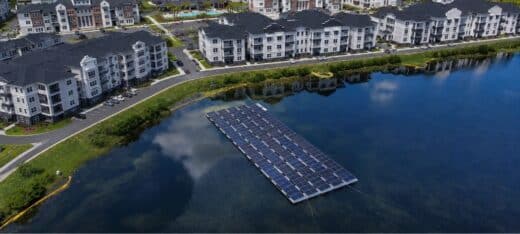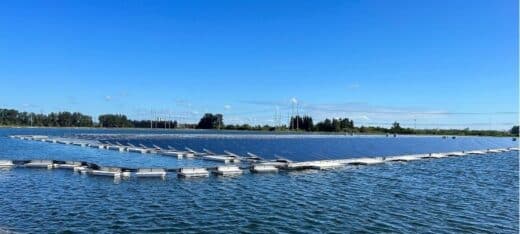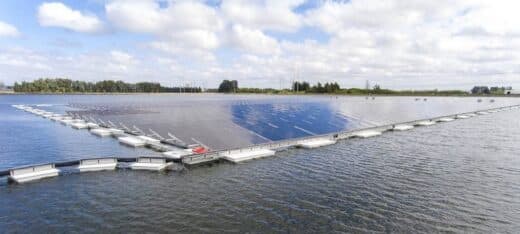
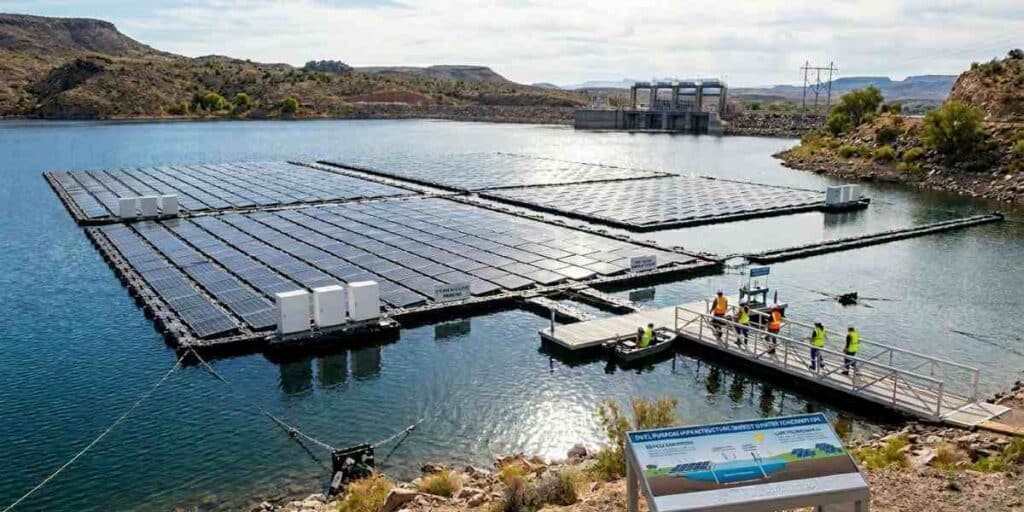
The global energy transition is no longer a distant ambition, it is an active, policy-driven shift that is redefining how and where renewable energy is built. Among the most compelling developments in this space is floating photovoltaic solar, a technology that mitigates solar generation onto water, avoiding competition for land. As decarbonization targets accelerate, government policy is becoming a defining factor in how quickly and effectively floating solar can scale.
Policy is no longer just about incentives. It is increasingly focused on resilience, environmental stewardship, and long-term infrastructure planning. For floating solar developers, this evolving regulatory landscape is not a hurdle to be navigated, but an opportunity to align with and lead the future of energy infrastructure.
Government Policy on Renewable Energy Is Reshaping Infrastructure Priorities
Across the U.S., agencies like the U.S. Department of Energy and Federal Energy Regulatory Commission are influencing not just the speed of deployment, but how renewable projects are designed. Policies tied to legislation like the Inflation Reduction Act have accelerated investment while raising expectations for durability, domestic sourcing, and long-term performance.
This shift signals a broader evolution in government policy renewable energy frameworks. The focus had moved beyond megawatts installed to building infrastructure that can withstand environmental stress, integrate with existing systems, and deliver consistent performance over decades. Floating solar fits naturally into this model.
Water-Based Solar Aligns with Policy Goals
The Role of Multi-Use Infrastructure in Renewable Energy Policy
A primary trend in energy policy is the push toward multi-use infrastructure. Reservoirs and irrigation ponds are increasingly viewed as dual-purpose assets capable of supporting both water management and energy generation. Floating solar supports this by:
- Generating power without consuming valuable land
- Utilizing existing water bodies to reduce land-use conflict
- Supporting algae control through surface shading
According to the National Renewable Energy Laboratory, deploying solar on man-made water bodies can significantly reduce land-use pressures while expanding renewable capacity.
Water Conservation Considerations
Water scarcity is a central issue in energy planning, particularly in drought-prone regions. Policies are beginning to favor technologies that contribute to both energy production and water conservation. Floating solar directly contributes by:
- Reducing evaporation through surface coverage
- Supporting irrigation efficiency in agricultural applications
Studies from the DOE and NREL confirm that floating solar installations significantly reduce water evaporation, creating a strong synergy between energy and water policy priorities.
Regulatory Compliance and Project Readiness
As regulatory frameworks evolve, compliance readiness is a defining factor in project success. Developers must now address:
- Environmental impact assessments
- Structural and storm resilience standards
- Long-term operational safety requirements
In the U.S., projects must comply with environmental review processes under the National Environmental Policy Act, guided by the Environmental Protection Agency. These requirements are pushing developers to design systems that anticipate regulatory scrutiny from the start.
Projects that prioritize compliance from the design phase move more efficiently through permitting and approval processes.
Anchoring Systems and Structural Requirements
Modern policy emphasizes resilience, especially in the face of extreme weather. Floating solar systems with robust anchoring are better equipped to meet:
- Storm resilience standards
- Fluctuating water level conditions
- Long-term durability expectations
At the same time, systems designed with fewer anchoring points offer additional advantages, including less disruption to the waterbed, reduced environmental impact, and faster, less invasive installation.
Environmental Impact as a Strategic Advantage
Floating solar is uniquely positioned to meet stricter environmental expectations compared to traditional ground-mounted systems, offering:
- Minimal land clearing
- Lower habitat disruption
- Reduced visual impact
According to the World Bank, well-designed floating solar projects significantly reduce ecological disturbance. Fewer anchors mean less water disruption, which simplifies permitting and improves project acceptance.
Safety and Accessibility: Regulatory Requirements
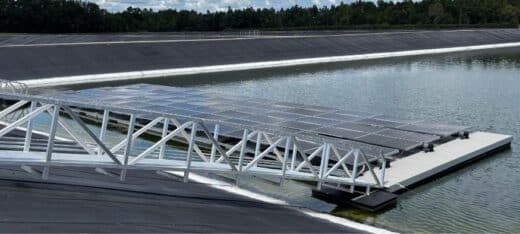
Safety is no longer just an operational consideration, it is a regulatory requirement. Agencies such as the OSHA emphasize the importance of safe working conditions. Floating solar systems designed with integrated walkways rather than relying on boats or temporary gangways provide:
- Safer inspections for operators and regulators
- Faster access to system components
- Reduced reliance on specialized equipment
Engineering for Policy: Built for Long-Term Performance
Material Durability and Lifecycle Performance Standards
Modern government policy on renewable energy focuses on lifecycle performance rather than just upfront installation costs. Floating solar systems built with durable aluminum framing offer:
- Long-term corrosion resistance
- Reduced maintenance needs
- Extended system lifespans
Flexible Tilt for Future-Proofing
As performance standards evolve, systems must adapt. Floating solar systems with flexible tilt capabilities provide:
- Adaptability to changing efficiency requirements
- Optimization across different climates
- Long-term compliance with evolving policies
This level of flexibility ensures that systems remain viable even as regulatory expectations shift
Floating Solar’s Alignment with Emerging Policy Requirements
Policy is not slowing floating solar down, it is accelerating its relevance. Floating solar already delivers:
- Compliance readiness and robust structural integrity
- Reduced environmental impact through smarter design
- Water conservation benefits and multi-use functionality
- Operational efficiency via improved safety and accessibility
- Lifecycle value through durable materials and flexible engineering
Regulation is shaping the future of renewable energy development. The most successful projects will be those designed with long-term performance, environmental responsibility, and infrastructure integration at their core. Floating solar is not just keeping up with these changes, it is leading the way.
Contact us to learn how floating solar can help you meet regulatory requirements while maximizing performance, sustainability, and long-term value.