Clean water, the very essence of life, faces a growing threat in many communities: contamination from persistent and harmful chemicals known as PFAS (per- and polyfluoroalkyl substances). These man-made compounds, ubiquitous in items from nonstick cookware to firefighting foam, resist environmental and bodily breakdown, earning them the disquieting moniker “forever chemicals.” As concerns escalate, scientists and engineers are urgently pursuing more effective solutions to this pervasive contamination. Fortunately, emerging PFAS treatment technologies are showing promising progress toward ensuring safer, cleaner water.
Understanding the PFAS Contamination Challenge
The persistent nature of PFAS compounds makes them particularly challenging to remove from water systems. Unlike other contaminants that break down over time, these chemicals accumulate in the environment and in human bodies, creating long-term health risks that require immediate attention through advanced PFAS treatment solutions.
PFAS contamination affects drinking water supplies across the globe, with detection levels continuing to rise in both surface and groundwater sources. This widespread presence demands innovative approaches that go beyond conventional water treatment methods.
Traditional PFAS Treatment Methods and Their Limitations
Traditional methods such as activated carbon filtration and reverse osmosis have been used to reduce PFAS levels. While sometimes effective, these systems present challenges, including high costs, inefficiency, and limitations in the spectrum of PFAS compounds they can remove.
Challenges with Conventional Systems
Existing PFAS treatment approaches often struggle with operational costs and maintenance requirements. Many traditional systems require frequent filter replacements, extensive infrastructure modifications, and significant energy consumption, making them less viable for smaller communities or resource-limited areas.
Breakthrough PFAS Treatment Technologies
Recognizing the pressing need for superior solutions, innovative approaches are gaining prominence. Technologies like ion exchange resins, advanced oxidation processes, and electrochemical treatment are demonstrating faster, more cost-effective performance and the ability to target a broader range of PFAS molecules.
Advanced Ion Exchange Systems
Modern ion exchange resins represent a significant advancement in PFAS treatment technologies. These systems can selectively remove PFAS compounds while maintaining high flow rates and requiring less frequent maintenance than traditional filtration methods.
Electrochemical Treatment Innovations
Electrochemical PFAS treatment methods use electrical processes to break down PFAS molecules at the molecular level. This approach offers the potential for complete destruction of PFAS compounds rather than simply concentrating them for disposal.
Sustainable Energy Solutions for PFAS Treatment
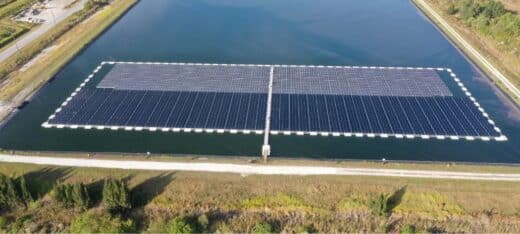
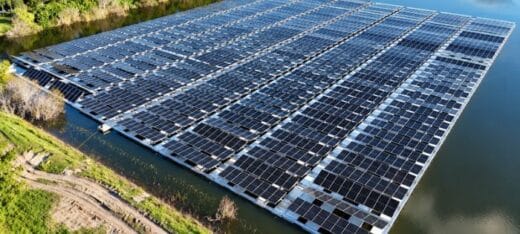
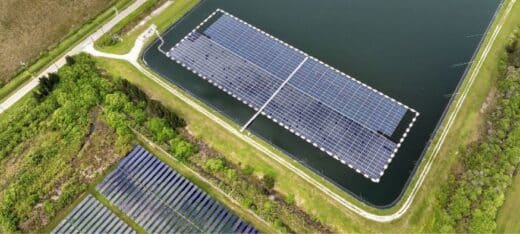
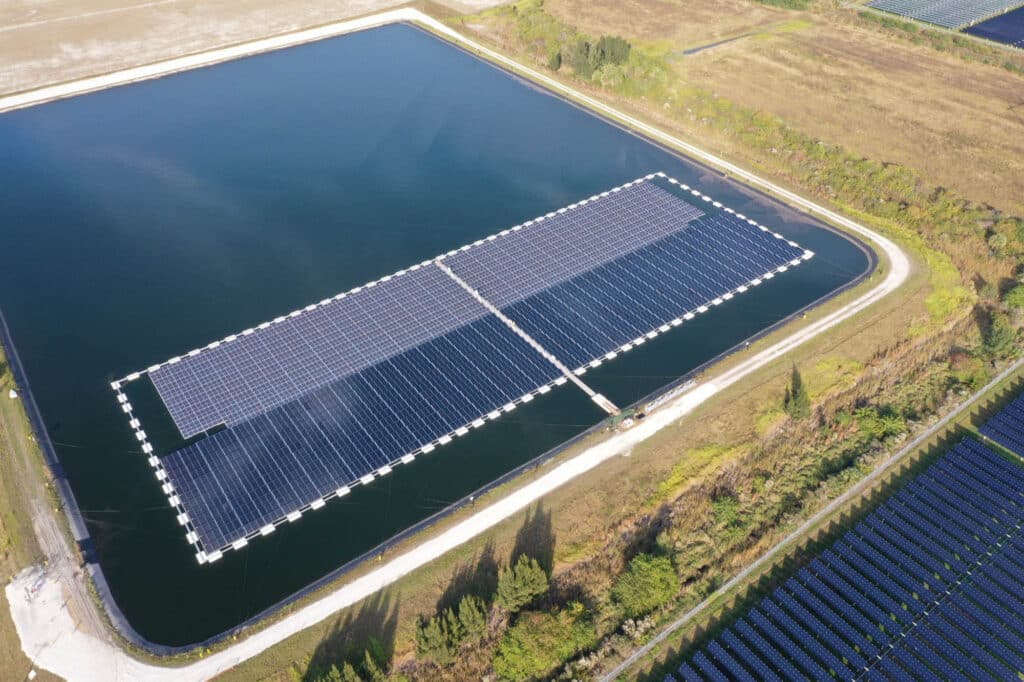
Simply improving treatment isn’t enough to truly address PFAS contamination; we must also focus on the environmental and operational aspects of our solutions. Pairing floating solar panels with advanced PFAS treatment systems presents an exciting opportunity. This synergy can yield significant cost savings, lower energy demands, and streamlined transport of contaminated water.
Solar-Powered Treatment Systems
Floating solar panels can power PFAS treatment equipment, such as ion exchange resins or advanced oxidation units, right on site. This renewable energy solution not only sustains the filtration process but also energizes pumps, sensors, and monitoring tools, enabling the system to adapt to varying contamination levels. By harnessing solar power, utilities can ensure that PFAS treatment is both sustainable and cost-efficient, lessening reliance on external energy sources.
Integrated Floating Treatment Platforms
What’s even more exciting is the potential for floating systems that combine both solar panels and treatment equipment on a single platform. This integrated setup minimizes the infrastructure footprint while maximizing impact, making it an ideal solution for communities in remote or resource-limited areas.
Scalable Solutions for Remote Communities
These innovative PFAS treatment technologies offer scalable approaches that can help meet the increasing demand for effective water treatment in the most efficient way possible. The modular design allows for customization based on specific contamination levels and community needs.
The Future of PFAS Treatment and Water Safety
By supporting the continued development of both PFAS treatment technologies and renewable energy solutions like floating solar, we are not only addressing the urgent need for clean water but also taking meaningful steps to protect public health and restore trust in our water systems.
The integration of sustainable energy with advanced PFAS treatment represents a paradigm shift toward more environmentally responsible and economically viable solutions. This approach ensures that communities can access effective treatment without compromising their long-term sustainability goals.
Contact us to discuss how we can help bring sustainable, cost-effective floating solutions to your area.