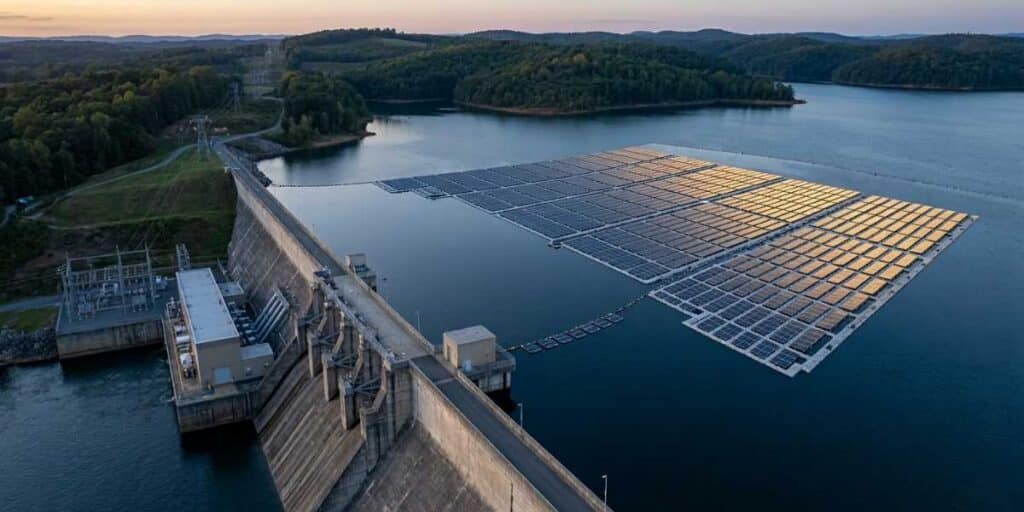
For decades, hydroelectric dams have been the quiet workhorses of renewable energy. Long before solar panels became a common sight on rooftops and wind turbines dotted landscapes, hydroelectric facilities were already producing reliable, large-scale clean power. Today, hydropower remains one of the most dependable renewable energy sources in the world, but even the most established technologies can evolve.
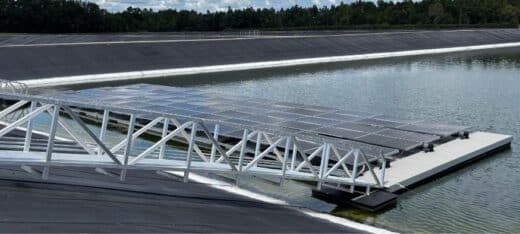
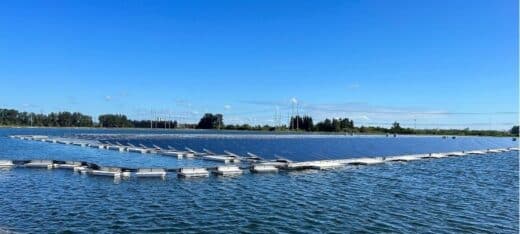
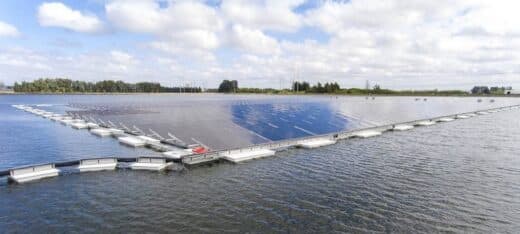
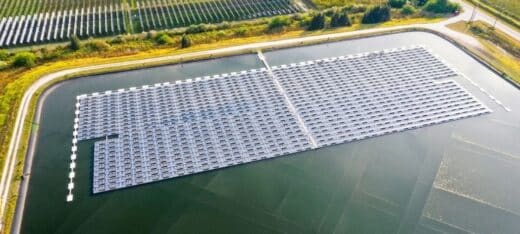
A new partnership is transforming how energy operators think about generation at dams and reservoirs. By pairing hydroelectric power with floating solar, utilities and energy developers can unlock a powerful hybrid system within a reservoir that produces cleaner electricity, operates more efficiently, and helps stabilize the grid.
Think of it as the renewable energy equivalent of a dynamic duo. Hydropower offers reliability and energy-storage potential, while floating solar brings daytime generation and additional capacity without requiring new land. Together, they create a system capable of delivering power around the clock.
For businesses and utilities that already operate dams, reservoirs, or water infrastructure, floating solar systems represent an opportunity to transform existing assets into high-performing, hybrid energy platforms.
Proven Reliability of Hydroelectric Power
Hydropower has always been valued for its reliability. Unlike many other renewable sources, hydroelectric plants can produce electricity on demand by controlling water flow through turbines. When demand rises, operators release more water to generate more power. However, hybrid renewable energy systems still face operational limitations.
Water levels fluctuate with seasonal rainfall, drought conditions, and reservoir management priorities. In some regions, operators must balance power production with irrigation needs, drinking water supply, or flood control. These competing priorities can reduce the volume of water available for energy generation at certain times. Hydropower depends on the natural energy stored in water. Once water passes through the turbines, that potential energy is spent until the reservoir refills. This is where floating solar enters the picture
Balancing Daytime Solar with Reliable Hydropower
One of the biggest challenges facing renewable energy systems is intermittency. Solar panels only produce electricity when the sun is shining and wind turbines depend on atmospheric conditions. For grid operators and energy buyers, consistency is vital.
Grid operators often refer to this challenge as the “Duck Curve.” Solar generation surges during midday hours, sometimes producing more electricity than the grid can absorb. Then, as the sun sets and solar production declines, operators must quickly ramp up other power sources to meet evening demand. This sharp shift can strain grid stability and increase reliance on fossil-fuel peaker plants.
Hydropower offers a unique advantage in solving this challenge. Unlike solar or wind, hydroelectric facilities can store potential energy as water. By adding floating solar to a hydroelectric reservoir, the two technologies complement each other perfectly.
During the day, solar panels handle a significant portion of energy production. Instead of immediately releasing water through turbines, operators can conserve reservoir levels. As the sun sets and solar generation declines, hydropower takes over. In effect, the reservoir becomes a massive natural battery storing energy during the day by holding water, then releasing it when demand peaks in the evening.
Turning Hybrid Energy into Smarter Power Generation
When hydroelectric power and floating solar operate in tandem, they form what energy experts often call a hybrid renewable system. In practice, it functions like a virtual power plant a coordinated system of resources delivering consistent power to the grid.
With floating solar and hydropower, the coordination is straightforward:
Daytime: Floating solar panels generate electricity during productive sunlight hours
Reservoir Storage: Water remains stored behind the dam, preserving potential energy.
Evening and Nighttime: Hydropower turbines generate electricity using stored water.
By staggering the use of each energy source, the system provides continuous power generation. These hybrid systems dramatically improve the value of renewable infrastructure, moving away from intermittent toward a flexible solution that responds to real-time demand cycles.
Better Grid Stability for Utilities and Energy Buyers
Electric grids require constant balance between supply and demand. Hybrid hydro-solar systems offer unique flexibility in this balancing act.
For utilities and independent power producers, this approach unlocks the ability to deliver firm renewable power. Power purchase agreements that provide predictable, round-the-clock clean energy are increasingly valuable. A hybrid system offers a more consistent generation profile than standalone solar or wind projects, making it highly attractive to energy buyers seeking dependable supply.
Leveraging Existing Infrastructure
Another major advantage of this pairing is the ability to leverage existing assets. Dams typically have built-in grid connections, transmission lines, substations, and control systems. These components represent massive capital investments that new renewable energy projects usually build from scratch.
By using existing grid interconnection capacity and electric infrastructure, floating solar arrays can often be deployed faster and at lower upfront costs than many greenfield renewable developments or land-based solar installations.
Water Conservation and Environmental Benefits
Floating solar provides benefits that go beyond electricity. The panels shade the water surface, reducing direct sunlight exposure. This helps limit evaporation, a critical advantage in regions facing water scarcity.
For hydroelectric reservoirs, evaporative savings can support long-term water availability, helping preserve resources for both power generation and competing water-use priorities.
Reduced sunlight penetration can also slow excessive algae growth. Algae blooms are a common challenge in reservoirs that often require chemical treatment floating solar helps mitigate these conditions naturally.
A New Chapter for Hydropower Operators
For dam owners and utilities, floating solar represents a new chapter in renewable energy innovation. The two technologies do not compete for resources they harmonize.
Solar generates power during productive daylight hours, and hydropower flexible dispatchable energy when demand rises .
Together, they support grid reliability, sustainability goals, and growing electricity demand. For B2B energy customers looking to expand capacity while maximizing existing infrastructure, this hybrid approach offers a compelling future-proof solution.
Operate a hydroelectric facility or reservoir? Contact us to learn how floating solar systems can increase generation capacity, improve water conservation and unlock more value from your existing assets.