Modern solar panels seem almost effortless. They sit quietly in the sun, need no fuel, and rarely require attention, yet they reliably power communities and entire industries. To someone seeing them for the first time, it can feel like a bit of science magic, but the reality is simpler. Solar power is the result of sunlight interacting with precisely engineered materials and strong support systems that hold everything in place.
When you peel back the layers of how sunlight transforms into power, the science of photovoltaics shifts from abstract mystery to practical engineering. This process relies on a precise synergy between electron movement, panel architecture, and the structural integrity of the mounting systems, whether they are anchored to rooftops, sprawling across open land, or floating on industrial reservoirs.
Every component serves a specific function. By understanding how these elements synchronize, the silent, steady reliability of solar energy becomes even more remarkable
In this blog, you will explore how solar panels convert sunlight into electricity, how the technology inside each module works, and how strong structural design supports long-term performance on both land and water.
What is Solar Energy?
Solar energy is the constant stream of light and heat emitted by the sun, a resource that can be harvested and converted into functional power. In a modern context, “solar power” primarily refers to electricity produced by photovoltaic modules engineered panels that use semiconductor materials to transform sunlight directly into an electrical current.
What sets solar apart is its inherent accessibility; unlike traditional fossil fuels that require invasive extraction, transport, and combustion, sunlight is delivered freely and predictably to the Earth’s surface. To capture this energy, contemporary systems utilize resilient modules and mounting hardware designed to operate reliably for decades through extreme weather and temperature shifts. By generating power exactly where the light hits, solar technology enables a shift toward sustainable infrastructure characterized by zero emissions and the total elimination of ongoing fuel expenses.
From Sunlight to Usable Power
At its core, a solar energy system works by capturing sunlight and converting it into electricity that can be used immediately, stored in batteries, or sent to the electrical grid.
Here’s the simplified sequence:
- Solar modules capture sunlight and convert it into direct current (DC) electricity.
- The modules are mounted on a structure—on land, rooftops, or water—that maintains stability and proper orientation.
- DC electricity flows into power electronics (primarily inverters) that convert it into alternating current (AC).
- AC power is used locally, stored, or exported, depending on the system’s goals.
While this may seem straightforward, each step relies on precise engineering. The structural platform provides stability and optimal orientation, while the electrical components safely manage and transform raw energy into usable power.
The Internal Layers of a Solar Panel
Although a solar panel may look like a single piece of glass, it is a carefully layered electrical device designed for decades of outdoor performance. Every layer has a specific job in the conversion of sunlight into electricity.
1. Tempered Glass (Front Protection)
The glass layer protects the cells from wind, debris, and environmental damage while allowing light to enter. It typically contains an anti-reflective coating that minimizes reflection losses so sunlight penetrates efficiently.
2. EVA or POE Encapsulant
Encapsulant films made from EVA (ethylene-vinyl acetate) or POE (polyolefin elastomer) seal the solar cells, preventing moisture and oxygen from degrading electrical materials. These layers must remain transparent and flexible for decades.
3. Photovoltaic Cells
The solar cell is the engine of the panel. Made of silicon, these cells react to sunlight by loosening electrons. An internal field then acts like a guide, pushing those moving electrons into a circuit to create electricity.
4. Backsheet
A protective electrical insulation layer on the back of the panel. It shields the internal components from moisture, UV radiation, and mechanical stress.
5. Aluminum Frame
A lightweight structural frame that provides stability, absorbs mechanical stress, and enables mounting. While often overlooked, frame design affects durability, heat dissipation, and installation flexibility.
6. Junction Box to Inverters
A sealed box is attached to the back of each solar panel. It is the main hub where electricity from the cells is collected and sent into the system wiring. The box contains bypass diodes for safety. These diodes let current flow around shaded or damaged cells. This helps prevent overheating and power loss. The energy then travels to the inverter. There it is converted into usable power for the grid.
System Components, More Than Just Panels
A complete solar installation is more than a set of panels. It combines structural engineering and electrical design. The solar modules capture sunlight. The support structure keeps them secure and productive for decades. It acts as the system’s backbone. The structure also includes walkways and platforms. These features improve access for maintenance. They also help the system withstand the elements.
Behind the scenes, a complex electrical network transforms that captured sunlight into usable power. This process relies on high-quality cabling and combiner points to streamline energy flow toward inverters, which convert the electricity for the grid. To ensure long-term reliability and safety, the system is rounded out by advanced monitoring equipment and critical safety hardware including fuses, disconnects, and surge protection to shield the investment from electrical faults or lightning strikes.
Modern solar installations deliver multiple operational and environmental advantages beyond simple electricity generation.
AccuSolar’s Design Focus
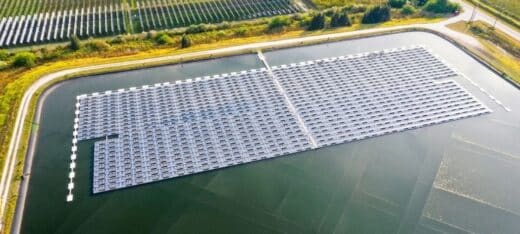
In many modern projects, especially on water or challenging terrain, the success of the system depends heavily on the design of the support structure. AccuSolar focuses on a modular, engineered platform built for strength, longevity, and efficient installation. Instead of treating mounting as an afterthought, the structure is treated as a vital part of long-term system performance. AccuSolar’s design prioritizes materials and shapes that handle wind, waves, thermal movement, and UV exposure, while still allowing safe access for maintenance.
Float Geometry and Stability
The shape and layout of floating platforms play an important role. A well-designed platform distributes weight evenly and keeps a low center of gravity to resist tipping. Larger surface areas help the structure remain steady during wave action.
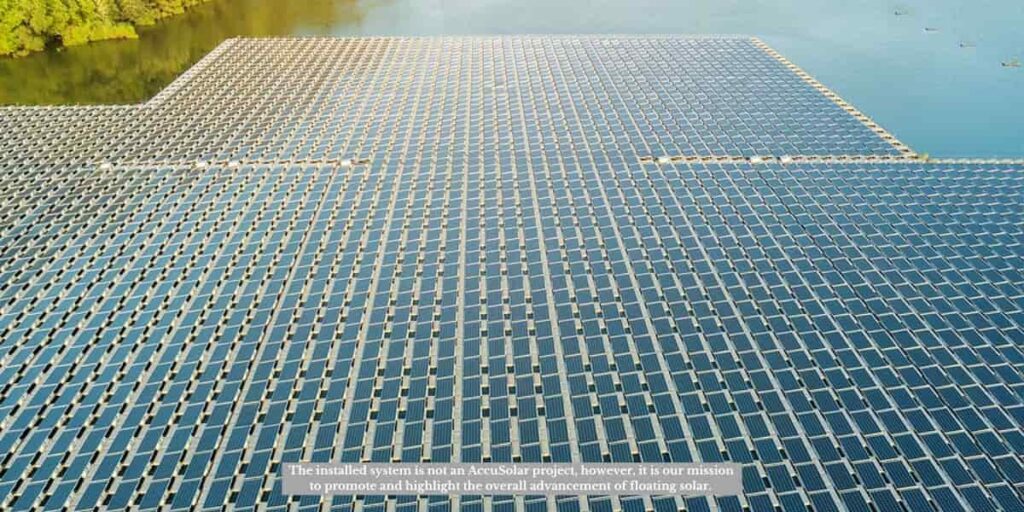
In practice, this can include foam-reinforced interiors, enclosed buoyancy chambers, integrated cable channels, and interlocking pieces that create a unified surface. This helps the platform stay predictable and stable while supporting both the array and the people who access it.
Panel Orientation and Energy Yield
The support platform determines the panel’s tilt, spacing, and direction. These factors directly affect how much power the system produces. Consistent angles and minimal shading between rows are essential for high performance. A stable platform ensures that panel orientation remains correct even after storms, temperature changes, or seasonal shifts.
Electrical Path, From Module to Grid
Solar modules generate direct current when exposed to light. That current travels through strings of connected modules into combiner boxes or similar junction points. Cables carry the direct current to the inverter, which changes it into alternating current that matches local power standards. Protective equipment ensures safe operation and allows specific sections of the system to be isolated when needed.
How Structural and Electrical Systems Support Each Other
Strong structural design supports electrical reliability. Excessive movement or mechanical stress can cause wiring fatigue, loose connections, or premature failure. By using Virgin HDPE components and sealed foam supports inside the platform, movement is limited, and the system stays consistent beneath the modules. This protects cables, connectors, and electrical junctions from unnecessary strain.
Durability and Long-Term Reliability
Excessive movement is the enemy of a reliable electrical system. It causes wiring fatigue and compromises connections over time. That’s why our platforms feature Virgin HDPE components and internal sealed foam supports. This combination limits movement beneath the modules, ensuring that cables and junctions stay secure and stress-free for the long haul.
Safety and Access on Floating or Modular Arrays
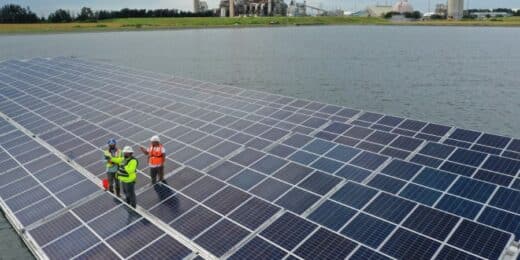
Technicians need access for inspection, cleaning, and repairs. AccuSolar floating solar platforms can include walkways, anti-slip surfaces, and handrail options that make movement safe and predictable. The modular format allows sections to be added or adjusted as operations change, without sacrificing stability.
Installation Efficiency and Logistics
AccuSolar’s modular platforms optimize project logistics by allowing components to be shipped compactly and assembled near the deployment site using standard, modest equipment. This streamlined approach significantly cuts down on-site time and labor requirements while minimizing environmental disruption. By utilizing “plug-and-play” connections for both structural elements and electrical harnesses, the system not only accelerates the build process but also ensures rigorous, consistent quality across even the largest installations.
The Intersection of Structural Integrity and Ecological Responsibility
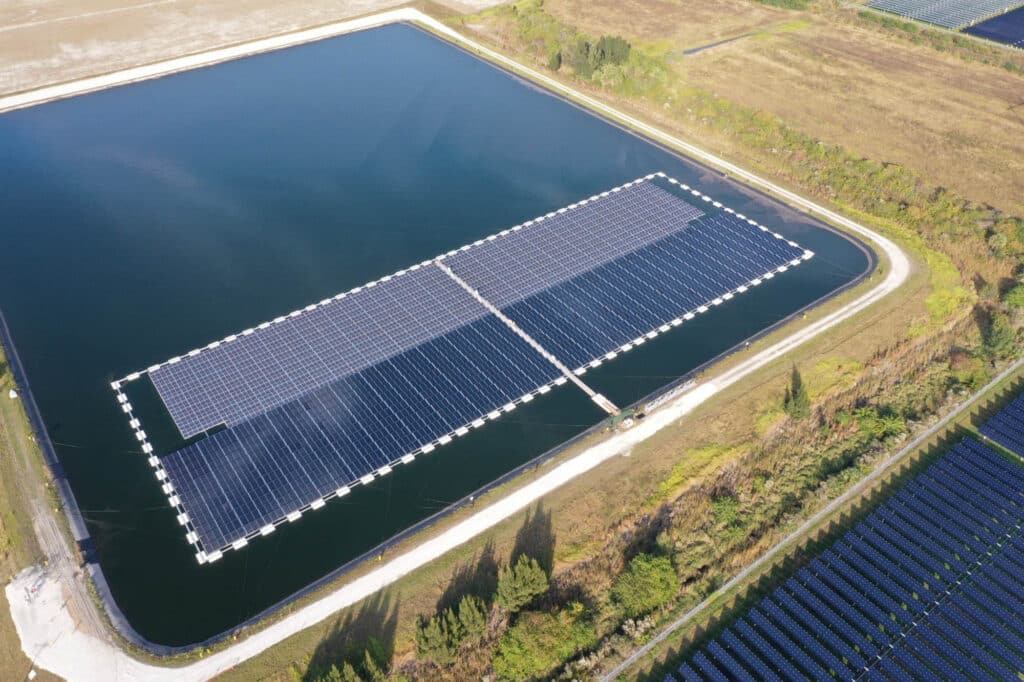
Not every project begins on a flat, open field. From industrial basins and reservoirs to constrained land parcels, floating solar installations must navigate complex site geometries and fluctuating water levels. Our adaptable platform is engineered specifically for these diverse environments, ensuring compliance with local regulations while maximizing energy density.
Built for longevity, the system utilizes Virgin HDPE a material that neither rusts nor leaches, preserving water quality and resisting biological growth. We enhance this durability with encapsulated foam supports to prevent fragmentation and precision anchoring systems that ensure stability without disrupting the local ecosystem.
In the face of high winds, UV exposure, and wave action, structural integrity is non-negotiable. By combining high-grade materials with an interlocking architecture, we provide a resilient foundation that resists uplift and fatigue. The result is a system that remains secure through seasonal shifts and extreme weather, protecting your solar investment for the long haul.
From industrial basins and reservoirs to constrained land parcels, specialized water-based installations must work within complex site geometries and fluctuating water levels.
Lifespan, Durability, and Maintenance
Solar panels are designed to be robust, since they spend decades outdoors. Quality panels are typically rated to withstand wind, rain, hail of certain sizes, and temperature extremes. Many come with performance warranties promising that power output will stay above a specified percentage of the original.
Maintenance needs are generally low. In many climates, occasional rain keeps panels reasonably clean. In dusty or polluted areas, gentle cleaning can help maintain performance. The electrical components (especially inverters) may need replacement or servicing over the system’s lifetime, but the panels themselves have no moving parts and usually degrade slowly.
The electrical components may need replacement or servicing over the system’s lifetime, and regular inspection protocols help maintain optimal performance for water-based arrays.
Environmental Benefits
Because solar panels generate electricity directly from sunlight without burning fuel, they produce no emissions during operation. This helps reduce greenhouse gas emissions and air pollution compared with fossil‑fuel‑based power.
There is some environmental impact from manufacturing and transporting panels and other components, but over their lifetimes, most modern systems generate far more clean energy than was used to make them. As manufacturing continues to improve, this balance becomes even more favorable.
Economic Value and Payback
The economic benefits of solar vary by region, electricity prices, system cost, incentives, and how much power a system produces. In general, once installed, solar panels provide electricity at a very low ongoing cost, since “fuel” (sunlight) is free.
Over time, the savings on electricity bills can offset the initial investment, leading to a payback period after which the system effectively generates net financial benefits. In some places, policies like net metering, tax credits, or rebates shorten this payback further.
Bringing It All Together
To answer the question “how do solar panels actually work?”, it’s helpful to imagine them as valves for electricity triggered by the sun. When sunlight hits the panels, an internal field directs electrons through a circuit, creating a flow of power that can run everything from streetlights to public buildings.
It is a seamless journey from tiny particles of light to the sustainable energy powering our local infrastructure. Understanding this process helps us appreciate the elegant, quiet technology working every day to reduce our carbon footprint.
AccuSolar’s commitment to innovation includes exploring new frontiers in clean energy, contact us to learn how floating solar can transform local bodies of water into powerful energy assets.
This article has been updated on December 16, 2025 to provide the most accurate and relevant information.