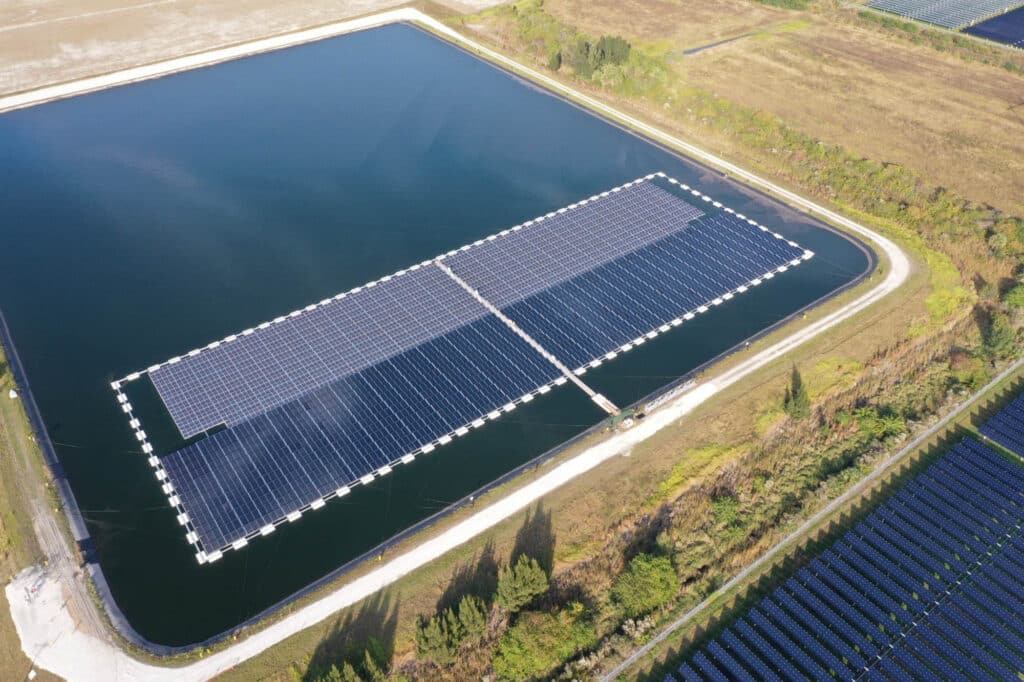
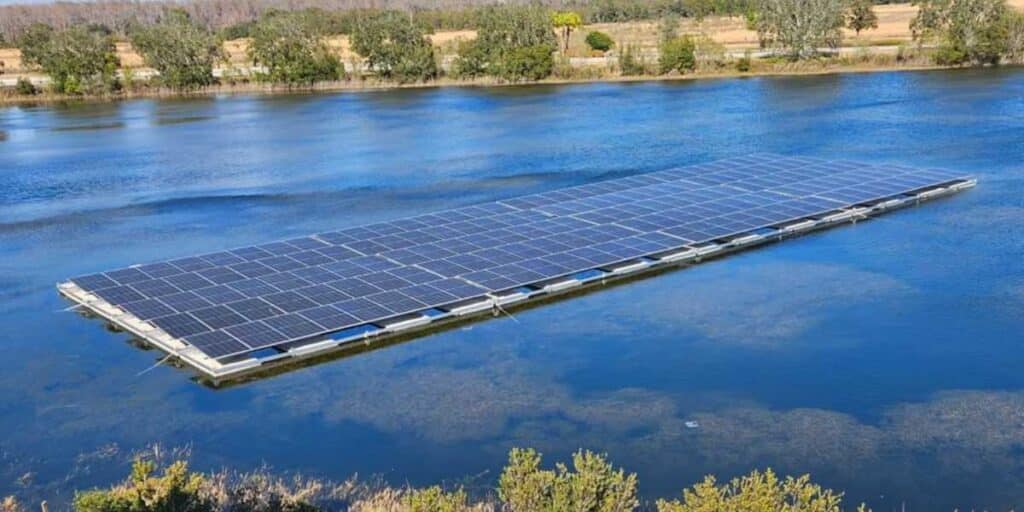
Solar operations and maintenance used to be the industry’s quiet backroom largely reactive, undeniably unglamorous, and tucked away out of sight. Floating solar has flipped that script. By moving the array to the water, we haven’t just changed the conversation; we’ve completely rewritten the O&M equation.
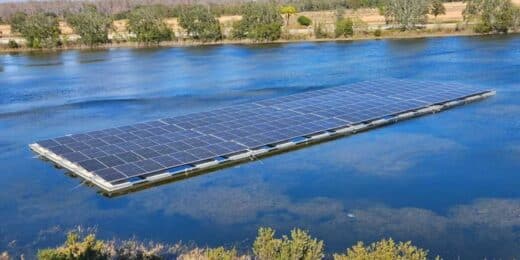
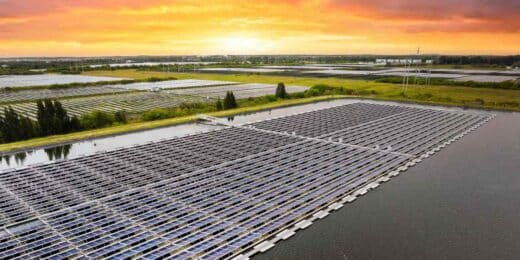
For many owners, the introduction of a water element creates a “knowledge gap.” There is a common misconception that moving from land to water turns O&M into a long-term headache of specialized marine engineering and constant upkeep. In reality, a well-designed floating array acts simply as a floating foundation. When engineered correctly, it doesn’t disrupt traditional O&M activities it streamlines them.
Welcome to modern floating solar O&M strategies.
Designing Out the “Headache”
The perceived complexity of floating O&M strategies often stems from concerns about water exposure and float durability. However, the most successful systems are those that integrate electrical designs directly into the floats from day one.
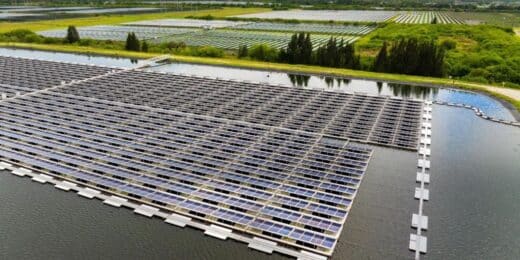
By treating the array as a stable, walkable platform, we ensure that O&M is not a problem to be solved, but a routine to be managed. This is achieved through:
Strategic Cable Management: Keeping high-voltage components organized, protected, and elevated.
Equipment Positioning: Placing inverters and combiners for easy, safe access.
Integrated Gangways: Providing a stable “bridge” from land to array, allowing technicians to walk the site just as they would a ground-mount system.
A Practical Approach to Module Cleaning
While the industry is buzzing about cleaning robots and heavy drone integration, these technologies are still maturing. For a long-term owner, “new” can often mean “unproven risk.”
Instead of forcing a reliance on expensive robotics, we prioritize easy and direct access to water. By designing the array with safe walkways and utilizing the surrounding water body, cleaning becomes a straightforward task rather than a logistical nightmare. This “keep it simple” philosophy ensures that performance is maintained without the high capital cost or technical failure points of unproven autonomous systems.
Engineered for a 25-Year Lifespan
A common fear is that the “moving parts” of a floating system the floats, anchors, and moorings will require constant replacement. The data suggests otherwise.
Modern floats and marine-grade aluminum components are designed to last 25 years under the specific environmental loads of the project site. Material degradation is not a “constant upkeep” problem; it is an engineered-out variable.
The anchoring and mooring systems are similarly robust. Once installed, these systems typically require nothing more than periodic visual checks. The probability of needing to replace floats or anchoring hardware is extremely small, allowing owners to focus on energy production rather than structural repairs.
Protecting Your ROI
We work closely with long-term owners to refine designs that protect the bottom line. When the floating foundation is stable, the electrical layout is intuitive, and the materials are marine-grade, the impact on ROI is minimized.
Modern floating solar O&M is about doing less, not more.
Less Risk: Stable platforms mean no specialized “water-only” training for standard electrical tasks.
Less Exposure: High-quality materials mean fewer trips to the site for structural fixes.
More Predictability: When the foundation is designed for the environment, the ROI remains steady for the life of the power purchase agreement.
A New Era for O&M for Floating Systems
Modern solar cleaning robots are lightweight, low-profile devices that traverse panel rows using motorized tracks or rollers. Companies such as Solaris Hydrobotics are advancing robotic cleaning solutions specifically designed for floating solar arrays. These systems can be deployed directly from integrated walkways or gangways and operate autonomously during low-wind conditions without placing maintenance crews on the water.
AccuSolar partnered with Solaris Hydrobotics to integrate robotic cleaning solutions into our floating solar systems, reducing on-water labor while maintaining consistent array performance.
Key advantages include:
- No personnel on the water during cleaning cycles
- Consistent pressure and cleaning patterns
- Reduced micro-scratching compared to manual methods
- Programmable cleaning frequency aligned to site conditions
Depending on project needs, some robotic systems operate completely dry, while others use minimal water drawn directly from the water body itself. This approach eliminates the need for external water sources or chemical cleaning agents, simplifying operations while supporting long-term performance and safety objectives.
Modern floating solar O&M strategies is about doing less, not more.
Less risk, less exposure, and less guesswork. By replacing routine on-water labor with intelligent automation operators unlock a safer and more predictable operational future.
Ready to Build a Reliable Floating Asset? If you’re planning a floating solar project, partner with a team that views the water as a foundation, not a hurdle. Contact AccuSolar to see how we design for long-term operability and maximum ROI.