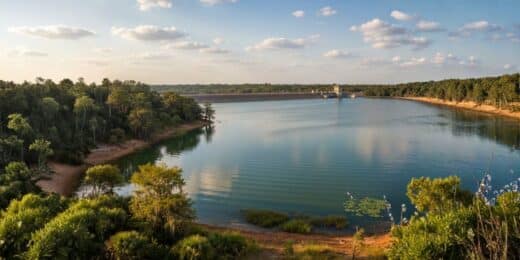
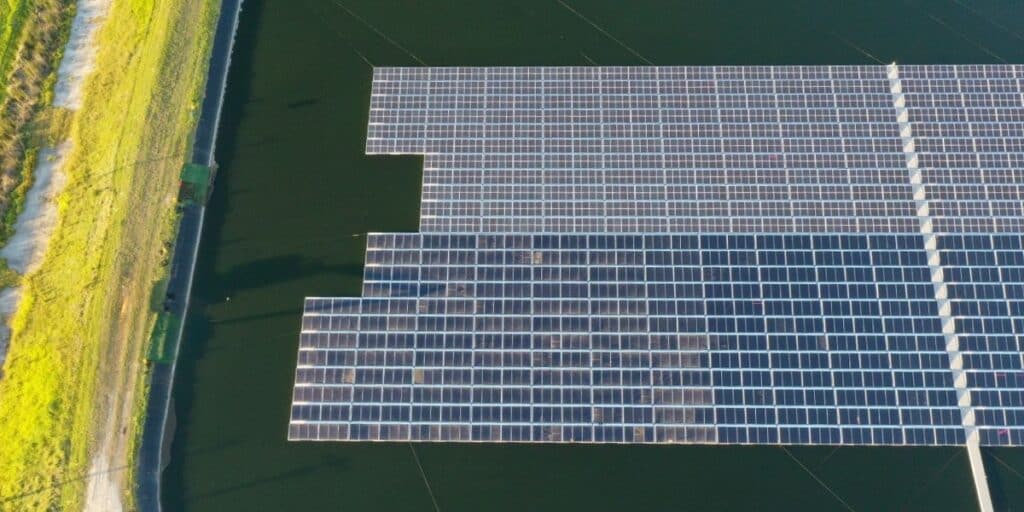
Reservoirs face increasing pressure from climate change, population growth, and rising energy demand. Land suitable for new renewable energy development is increasingly scarce. Against this backdrop, understanding water regulations for floating solar has become a key consideration. Reservoirs are gaining new attention as platforms for renewable energy, but any proposal involving water bodies that supply drinking water, irrigation, hydropower, or flood control triggers strict regulatory oversight.
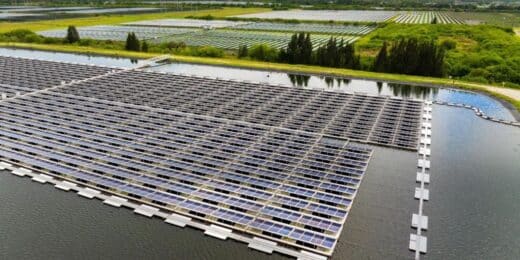
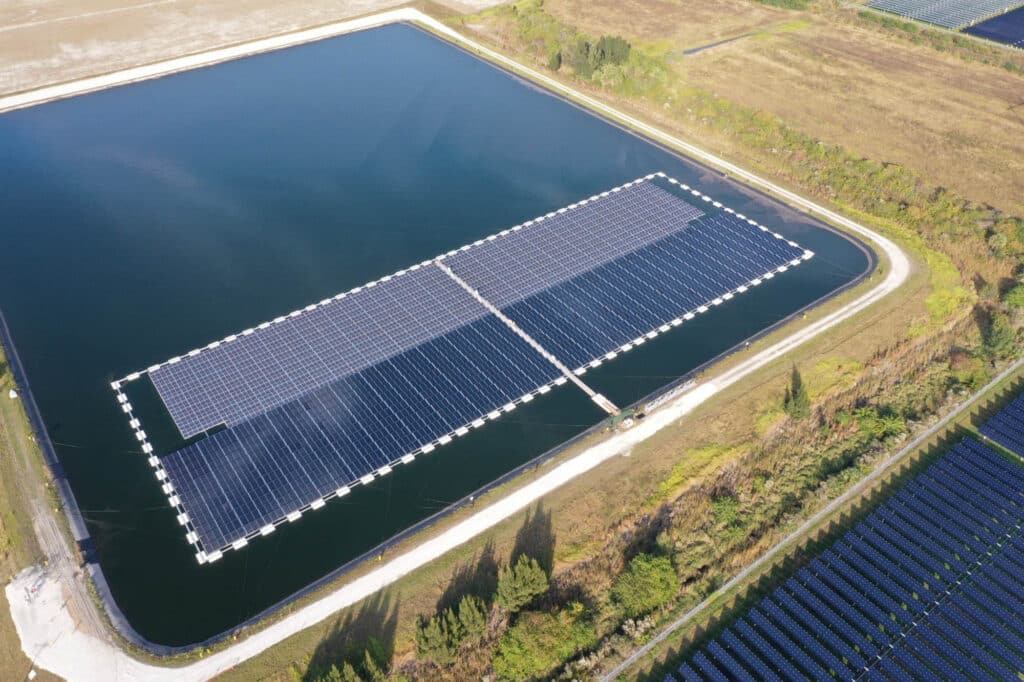
Reservoirs are among the most tightly regulated water bodies, and for good reason. Any infrastructure placed on them must protect water quality, maintain operational safety, and preserve long-term reliability. Picture part of a reservoir’s surface hosting an engineered array of solar panels — reducing evaporation, suppressing algal growth, and delivering clean power to the grid. That vision is already a reality in some places. But only projects that respect water regulations and ecological limits get approved and built to last.
Best practices, regulatory frameworks, and proven design standards have created a clear pathway for installing floating solar safely and responsibly.
Understanding Floating Solar Regulations and Reservoir Oversight
Who Governs Reservoir Projects
Reservoirs are often managed by public entities such as municipal water utilities, regional water districts, or state and federal authorities. In many cases, a single reservoir may fall under multiple layers of jurisdiction. These governing bodies are responsible for protecting water quality, public safety, and operational integrity.
Before a floating solar project can move forward, developers must identify the reservoir owner and all agencies with regulatory authority. This often includes state environmental departments, water management districts, and public health agencies. Each authority may have its own permitting requirements, design criteria, and review timelines. Additionally, the requirements vary by state and reservoir type, making the planning and permitting stage all the more important.
Why Early Engagement Matters
Early engagement is critical. Regulatory agencies are far more receptive when involved during the planning stages rather than being presented with a finalized design. Early coordination clarifies expectations on array layout, anchoring strategies, access corridors, and environmental protections. This significantly reduces redesign risk later in the approval process.
The broader case for floating solar on reservoirs as a tool for both energy efficiency and water conservation is precisely what makes early regulatory coordination worth the effort.
Water Quality Protection Requirements
Protecting water quality is the highest priority, especially for drinking water supplies. Floating solar systems must be designed carefully. No materials, coatings, or components should pose a contamination risk over the system’s lifespan.
Regulatory reviews assess all materials in contact with the water. High-density polyethylene (HDPE) floats made from virgin material are industry standard. They are chemically stable, non-toxic, and resistant to degradation. Marine-grade aluminum frames and stainless steel hardware are also preferred due to their corrosion resistance and minimal leaching potential.
For a deeper look at why this material is used so consistently across the industry, the full explanation of HDPE as the material of choice for floating solar platforms covers durability, chemical stability, and long-term performance in detail.
AccuSolar’s Approach to Material Safety
AccuSolar designs its systems to meet these expectations by using water-safe, long-life materials throughout the floating structure. The company manufactures its floats from 100 percent virgin HDPE with consistent wall thickness, delivering durable performance without chemical leaching. Each float contains closed-cell foam, which adds redundant buoyancy and prevents water intrusion even if the outer shell becomes damaged.
AccuSolar builds the structural framework from marine-grade aluminum and secures it with stainless steel hardware to resist corrosion in variable reservoir conditions. Technicians route electrical components to minimize moisture exposure, and designers configure system layouts to reduce direct contact with the water wherever possible.
Anchoring and Structural Safety Standards
Reservoirs experience fluctuating water levels, wind loads, wave action, and seasonal weather. Anchoring systems must accommodate these forces without damaging the reservoir bottom or shoreline.
Agencies often require site-specific anchoring plans that consider bathymetry and sediment type. Common approaches include weighted anchors, driven piles (where permitted), or shoreline-based tethering. The selected method must allow for significant water level changes while maintaining long-term stability. Structural safety reviews focus on ensuring arrays remain secure during extreme weather. This includes accounting for wind uplift, wave forces, and thermal expansion.
This guide to mooring techniques for floating solar farms breaks down each configuration in detail and explains how different site conditions call for different stability approaches.
Maintaining Reservoir Operations and Access
Reservoirs serve multiple purposes including hydropower generation, water treatment intake structures, and dam safety. Floating solar installations must be designed to avoid interference with these critical functions.
Regulators typically require setbacks from intake structures, spillways, and dam infrastructure.Operators may need to maintain access lanes for maintenance vessels or emergency response. In some cases, designers build floating solar arrays in modular sections, allowing teams to remove or reposition portions of the system if future reservoir operations require flexibility.This allows for partial removal or repositioning if future reservoir operations demand flexibility.
Clear access planning reassures authorities that floating solar will not compromise reservoir reliability or emergency preparedness.
Compliance and Long-Term Accountability Under Floating Solar Regulations
Electrical and Safety Code Requirements
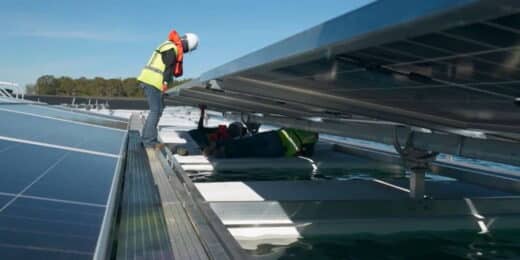
Floating solar systems must comply with national and local electrical codes (NEC), occupational safety standards (OSHA), and marine safety requirements. This includes proper grounding, fault protection, and safe access for personnel. Integrated walkways and stable service platforms are frequently required to allow safe movement across the array.
Ongoing Monitoring and Decommissioning
Permitting agencies often require ongoing monitoring and maintenance commitments as part of project approval. This may include regular inspections, water quality monitoring, and reporting requirements. Meeting floating solar regulations around ongoing accountability is a key part of keeping projects approved and operational long-term.
Because these systems typically operate for more than 25 years, regulators usually require a decommissioning plan. This plan specifies how teams will remove the system at the end of its service life without harming the reservoir.
These requirements ensure that floating solar installations remain safe, responsible, and reliable for decades.
Working Successfully Within Water Regulations for Floating Solar
Water regulations exist to protect critical public resources. Floating solar projects that prioritize safety, transparency, and collaboration are almost always well received. By aligning engineering design with water regulations for floating solar projects, developers can unlock the full benefits of the technology. This approach also maintains the trust of water authorities and the communities they serve. Contact us to learn how AccuSolar can support your reservoir-based floating solar project.