From sprawling cities to intensive agriculture, ecosystems around the world are being pushed to the brink. Every day, as climate change further accelerates this crisis, the destruction and degradation of vital habitats continue unabated. The catastrophic result is a massive decline in biodiversity, the erosion of essential natural services (like clean water and air), and a direct risk to global human security. It can feel overwhelming, but here’s the good news: critical solutions to habitat loss exist. The energy sector holds significant potential to reverse this trend by integrating habitat protection into its core sustainability strategies.
This blog dives into the most pressing challenges of habitat loss, paying special attention to critical areas like wetlands and fish-spawning zones. We will then introduce the innovative solution of floating solar technologies. This approach offers a proactive pathway to advance real, practical solutions to habitat loss and demonstrate exactly how to stop habitat loss through the energy transition.
The Scope of Habitat Loss: Why It Matters
Habitat loss isn’t just an ecological problem; it’s a human one. When forests, wetlands, and waterways are destroyed or fragmented, we lose far more than species diversity. We also lose natural filtration systems, flood mitigation, carbon storage, and cultural value.
Healthy habitats regulate our climate, purify water, and stabilize coastlines. Once they’re gone, restoring those systems is exponentially more expensive and complex than preventing the damage in the first place.
Wetlands at Risk
Wetlands, marshes, mangroves, swamps, and peatlands rank among Earth’s most productive ecosystems. They filter pollutants, absorb floodwaters, store carbon, and serve as nurseries for countless aquatic species. But these vital landscapes are disappearing fast. According to U.S. Fish and Wildlife Service data, more than half of all wetlands in the contiguous United States have been lost since the 1780s. The rate of loss is increasing. Major causes include:
Drainage for agriculture and development
Urban expansion and altered hydrology
Pollution and sedimentation from runoff
Sea-level rise and land subsidence
When wetlands vanish, the consequences cascade: habitat for wildlife shrinks, flood risks rise, water quality declines, and carbon stored in soils is released back into the atmosphere. Between 2009 and 2019 alone, the U.S. lost about 670,000 acres of vegetated wetlands.
Fish Spawning Areas and Aquatic Connectivity
Aquatic ecosystems depend on connectivity and water quality. For fish and other aquatic organisms, migration and spawning require unbroken access to healthy, shallow habitats. Yet barriers such as dams, channelization, pollution, and shoreline infilling disrupt those life cycles.
These disruptions come at a cost. Entire fish populations can collapse when spawning grounds disappear or water conditions change. Fragmented rivers isolate species, lower recruitment rates, and reduce commercial and recreational fisheries. The loss of even a few keystone species sends ripple effects throughout food webs, diminishing ecosystem stability.
Why Immediate Attention Is Critical
The loss of ecosystem services, like flood protection or clean water, translates directly into rising costs for communities. Once degraded, these systems are expensive to restore and nearly impossible to replicate. As climate change amplifies land-use pressures and extreme weather events, protecting habitats is not just an ecological imperative; it’s an economic one.
This raises a central question: How can we meet growing energy and development needs without further sacrificing critical habitats?
A Solutions-Driven Approach: How to Stop Habitat Loss
To successfully reverse habitat loss, we need to shift our focus from simply documenting ecological decline to actively designing solutions to habitat loss that harmonize human development with nature preservation.
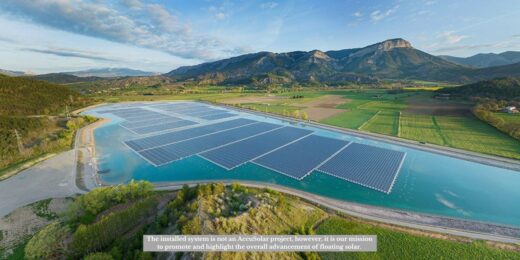
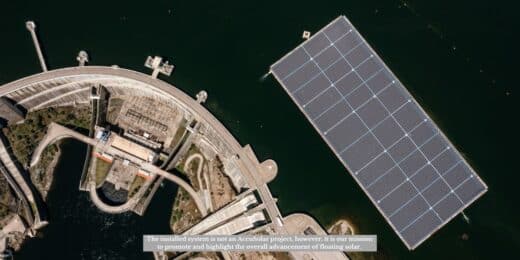
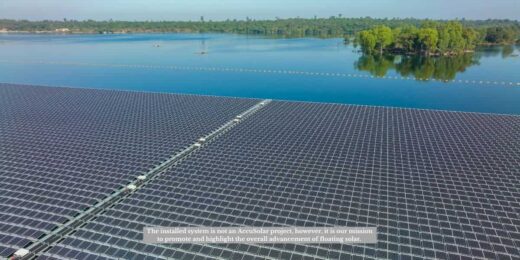
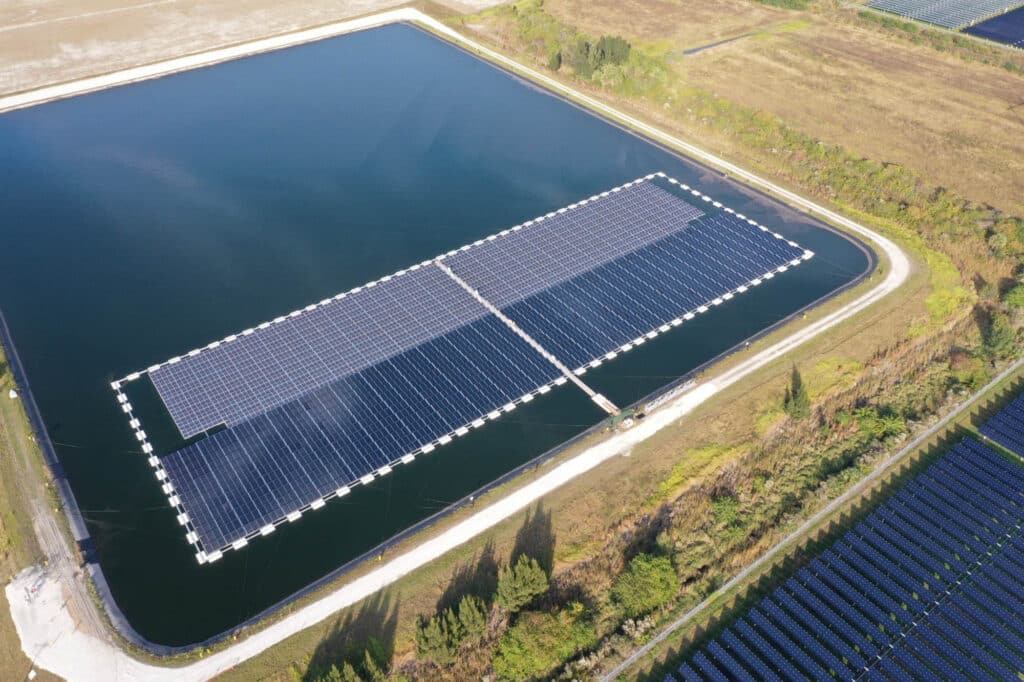
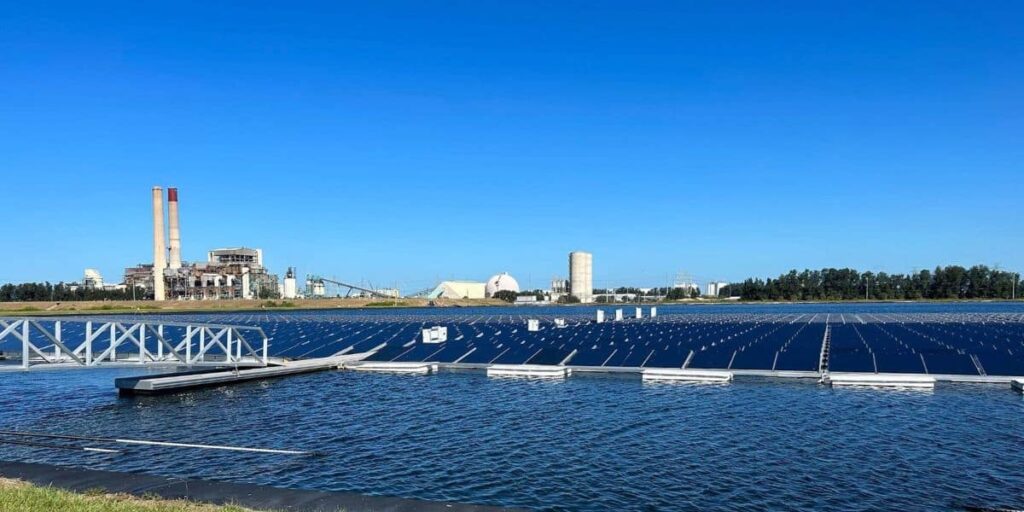
One of the most promising strategies involves ensuring that the expansion of renewable energy is coupled with habitat-sensitive design. This is where floatovoltaics offers a key advantage. By generating clean energy over existing water surfaces like reservoirs or treatment ponds instead of using land, floating solar systems reduce pressure on valuable terrestrial habitats while simultaneously addressing our growing energy needs.
Floating Solar Concept & Benefits
Floating solar is redefining how we generate renewable energy while preserving the environment. Instead of consuming land that could support forests, wetlands, or agriculture, these systems transform existing bodies of water into productive energy sources. These include reservoirs, lakes, and retention ponds. This innovative use of space reduces the pressure to clear valuable ecosystems. It offers a tangible way to expand clean power without expanding our footprint.
Ecological Benefits
Reduced Land Footprint: Floating solar panels avoid clearing vegetation or disturbing soil, preventing terrestrial habitat conversion.
Water-Surface Advantages: Partial shading reduces evaporation, moderates temperature, and can limit algae growth in certain conditions.
Dual-Use Infrastructure: Many man-made reservoirs already exist for drinking water, irrigation, or industrial use. Adding solar panels transforms them into multi-benefit assets, supporting both water management and clean power.
Minimal Subsurface Disturbance: Floating systems are anchored or moored without extensive underwater foundations. This means less impact on benthic and littoral habitats.
By occupying water rather than land, floating solar helps relieve pressure on wetlands, forests, and grasslands, all while generating renewable energy at scale.
How Floating Solar Protects Ecosystems
Floating solar’s ecological value extends beyond efficient land use. When thoughtfully designed, it contributes directly to ecosystem protection:
Avoids Habitat Conversion: Energy is produced without clearing habitats that support wildlife or biodiversity corridors.
Preserves Connectivity: Terrestrial ecosystems remain linked, maintaining migration and foraging routes for land species.
Supports Aquatic Health: Shading can lower water temperatures and evaporation rates. This helps stabilize aquatic conditions in drought-prone or heat-stressed regions.
Enables Coexistence: Properly placed systems can operate alongside wetlands, fisheries, and waterfowl zones with minimal disruption.
Effective Solutions to Habitat Loss Through Strategic Implementation
Wetland Protection Through Floating Solar
Because wetland loss is driven largely by land conversion, floating solar provides a needed buffer. Instead of competing for the same space, solar developers can shift installations to nearby reservoirs or retention ponds. This avoids the need to drain or fill wetlands. Key advantages include:
Reduced incentive to convert wetland-adjacent land for energy production
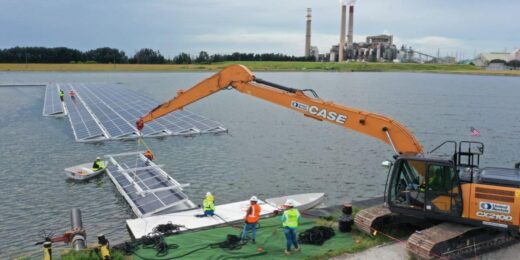
Deployment in already disturbed or artificial basins (industrial reservoirs, quarries, treatment ponds)
Ability to maintain buffer zones that protect wetland edges and vegetation
Indirect pressure reduction on upstream farmland or urban expansion
By lessening competition for land, floating solar helps keep natural wetlands intact and functioning. This represents one of the most practical solutions to habitat loss available today.
Protecting Fish Spawning Areas and Aquatic Connectivity
Aquatic habitats often suffer from fragmentation and temperature stress. Floating solar can play a protective role here as well.
Temperature Regulation: Water shaded by solar panels can remain cooler and more stable. This is beneficial for juvenile fish and oxygen balance.
Reduced Sediment Disturbance: Anchoring systems can be designed to avoid sensitive bottom areas or spawning substrates.
Maintained Littoral Access: Properly configured arrays leave shoreline zones open, preserving natural spawning and nursery functions.
Synergy with Restoration: When paired with fish ladders or vegetated buffers, floating solar systems can complement broader aquatic-habitat recovery strategies.
Research continues to reveal unexpected wildlife benefits from thoughtfully designed floating solar installations, including enhanced habitat quality for aquatic species and improved conditions for migratory birds using reservoir ecosystems.
Floating solar not only avoids harm but can also enhance aquatic conditions when integrated into responsible water-management planning. Understanding how to stop habitat loss means recognizing these synergistic opportunities.
Real-World Considerations & Best Practices
Floating solar isn’t a one-size-fits-all solution, but it becomes a powerful conservation tool when guided by best practices.
1. Site Selection
Prioritize disturbed or artificial water bodies (industrial ponds, quarries, reservoirs) rather than natural lakes or wetlands.
Avoid sensitive zones such as spawning grounds or migratory bird habitats unless impact studies and mitigation plans are in place.
Maintain shoreline buffer zones to protect littoral vegetation and wildlife corridors.
2. Ecological Integration
Space arrays to allow light penetration and natural flow around their edges.
Use anchoring methods that minimize benthic disturbance.
Monitor water quality and adjust coverage if shading alters aquatic plant growth.
Keep fish passage and circulation unobstructed.
3. Permitting and Stakeholder Engagement
Coordinate early with environmental agencies and local conservation authorities.
Conduct baseline ecological surveys of fish, vegetation, and water quality.
Involve stakeholders through transparency and data sharing.
4. Maintenance and Adaptive Management
Schedule inspections to ensure floats, moorings, and anchoring remain stable.
Track habitat conditions and adjust coverage if unexpected impacts occur.
Use long-term monitoring programs to refine ecological performance.
By following these steps, floating solar projects can generate renewable energy and actively protect, or even enhance, local ecosystems.
Why Floating Solar Should Be Viewed as a Conservation Strategy
When positioned correctly, floating solar transforms from a simple source of renewable power into a significant asset for conservation. Here are several reasons why:
It Reduces the Environmental Trade-Off: Traditional ground-mounted solar farms can require the clearing of land, removal of vegetation, soil disturbance, and potential fragmenting of habitats. This includes wildlife corridors, wetlands, grasslands, and farmland. By contrast, floating solar uses already submerged surfaces or non-natural water bodies. This minimizes competing land uses and habitat conversion, offering tangible solutions to habitat loss.
It Supports Multi-Functional Landscapes: Existing water bodies are multi-functional assets. They provide recreation, water supply, cooling, irrigation, and flood control. Integrating floating solar adds energy production to this list, amplifying value without requiring any additional land. This effectively reduces the pressure for new land development.
The water quality improvements achieved through strategic shading represent one of several practical approaches to protecting aquatic ecosystems while simultaneously generating clean energy.
It Fosters Habitat Co-Existence: When thoughtfully sited, floating solar arrays can co-exist with aquatic and riparian habitats. For instance, leaving shoreline margins untouched preserves littoral vegetation, spawning zones, wetland edges, and bird habitats. Some shading of open water can reduce algae and improve water quality, which indirectly supports aquatic species.
It Aligns Ecosystem Goals with Energy Policy: Policymakers are under mounting pressure to accelerate renewable energy development while safeguarding biodiversity. Floating solar installations provide a compelling pathway, as they generate clean power without encroaching on vital habitats. By strategically incorporating restoration techniques—such as using the shading effect to reduce evaporation in dry reservoirs—this technology can potentially enhance biodiversity by stabilizing water levels and supporting adjacent wetlands. This demonstrates how to stop habitat loss while meeting energy demands.
Case Studies and Emerging Evidence
Although still relatively new in the U.S., floating solar installations worldwide are demonstrating positive environmental outcomes.
Wetland-Adjacent Projects: Developers have used industrial reservoirs near wetlands instead of building ground-mounted systems. This protects wetland buffers while still delivering clean power.
Reservoir Deployments: In hot climates, floating solar has reduced water evaporation and lowered temperature conditions that improve aquatic habitat quality.
European Studies: A European wetland-biodiversity review found that 35% of wetlands were lost between 1970 and 2015. This emphasizes the urgency of habitat-sensitive energy solutions.
Economic Ecosystem Services: Coastal wetlands provide an estimated $23 billion annually in U.S. flood protection. Every acre preserved through alternative land use has measurable value.
While research continues, the evidence already shows that floating solar can mitigate key drivers of habitat loss.
A Roadmap for Implementation: From Planning to Action
As global energy consumption continues rising, floating solar presents a scalable solution that can meet growing power demands without the land-use conflicts that have historically slowed renewable energy deployment.
To maximize environmental and energy benefits, project developers and policymakers can follow a clear framework:
Pre-Feasibility Screening: Identify candidate water bodies (reservoirs, quarries, retention ponds) and map surrounding habitat sensitivity.
Baseline Environmental Assessment: Survey aquatic vegetation, fish, and water quality. Understand seasonal hydrology.
Stakeholder Engagement: Consult early with wildlife agencies, conservation groups, and local communities.
Design Integration: Preserve shoreline margins, use low-impact anchors, and ensure light and flow continuity.
Installation & Commissioning: Time work to avoid spawning seasons and minimize shoreline disturbance.
Monitoring & Adaptive Management: Collect post-installation data on habitat health and adjust as needed.
Reporting: Share performance metrics to improve future project design and strengthen environmental confidence in FPV technology.
The Big Picture on Energy Transition and Habitat Conservation
We frequently discuss issues such as climate change and biodiversity loss as distinct problems—clean energy versus habitat protection. In reality, they are deeply interconnected challenges. Achieving a truly resilient and sustainable future requires us to integrate our solutions for both.
Floating solar provides a bridge between these priorities. When deployed thoughtfully, it allows us to generate clean power while minimizing further damage to the natural world. In some cases, it even enhances ecosystem resilience by reducing evaporation, moderating temperatures, and preserving habitat corridors.
By adopting floating solar as a strategic component in our environmental and energy planning, we demonstrate a forward-looking mindset. This is one where renewable energy expansion does not come at the expense of habitat destruction. Instead, we create win-win outcomes that bolster both human and natural systems.
Conclusion: Implementing Solutions to Habitat Loss Today
Floating solar technologies provide a powerful example of how we can align renewable energy growth with habitat conservation. By using water surfaces instead of clearing land, designing with ecological sensitivity, and integrating monitoring and stewardship, we can advance real solutions to habitat loss. Understanding how to stop habitat loss requires innovative thinking and practical implementation—floating solar delivers both.
At AccuSolar, environmental stewardship is at the core of our U.S.-engineered floating solar platforms. We meticulously design each system to minimize impact on aquatic and terrestrial ecosystems. We utilize durable, marine-grade materials for stability and low maintenance. By converting non-productive water bodies into clean energy assets, AccuSolar empowers communities to take tangible, measurable steps toward preserving natural habitats and biodiversity.
Stop choosing between progress and preservation. AccuSolar’s floating solar systems offer a revolutionary approach to achieving clean energy and thriving ecosystems, simultaneously.
Contact us to learn more about how we make solutions to habitat loss possible through innovative floating solar technology.