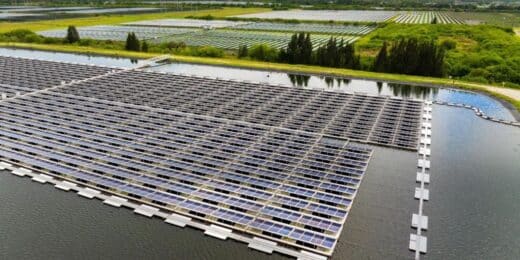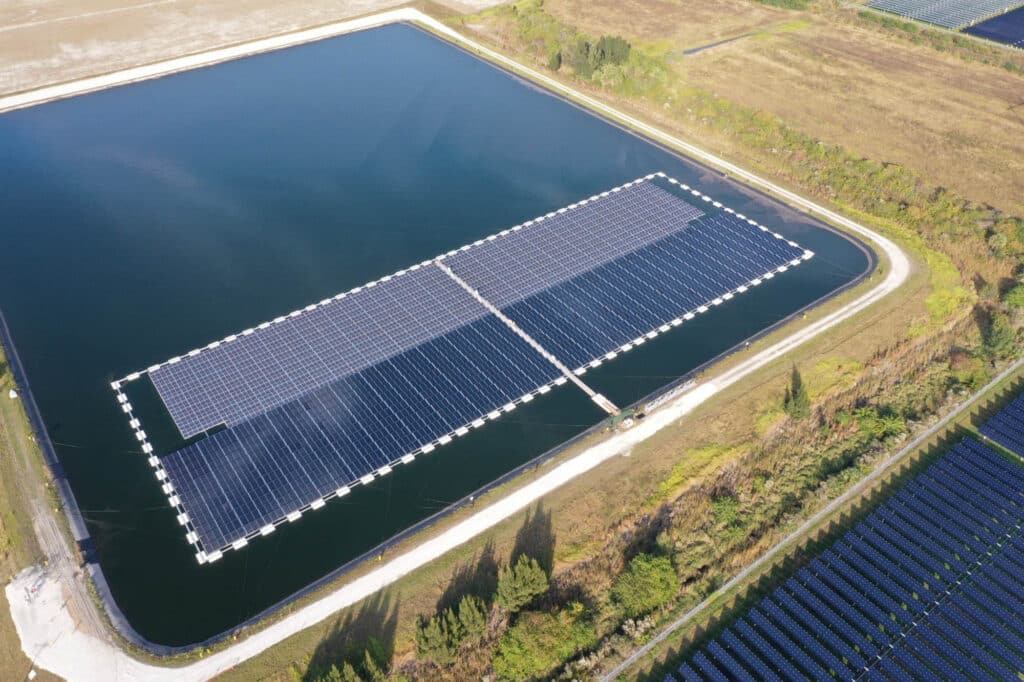
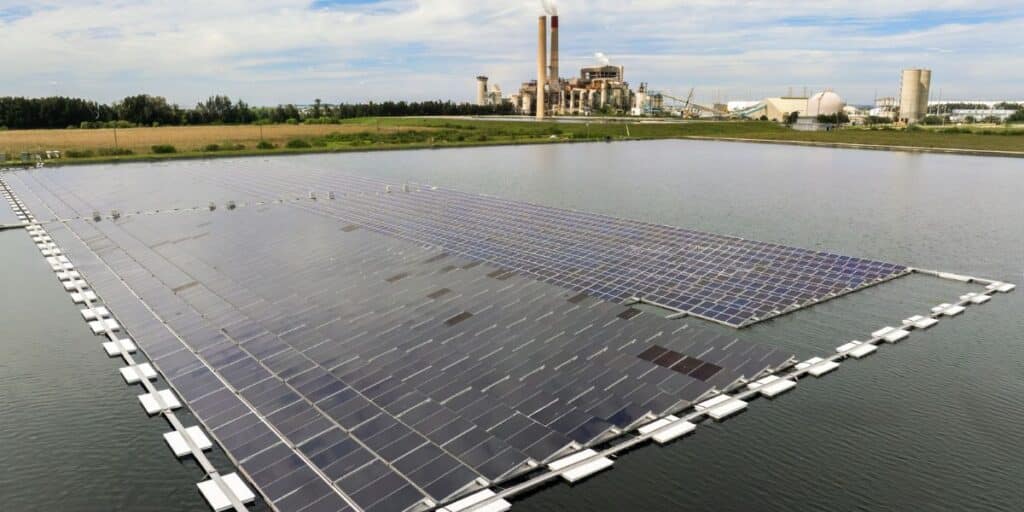
The next revolution in clean energy isn’t rising from rooftops or stretching across dusty fields; it’s floating quietly across the water. What began as a novel experiment has evolved into one of the most efficient forms of solar generation on the planet. Across reservoirs, hydroelectric dams, and calm industrial ponds, floating solar panels efficiency is rewriting the rules of renewable power. Water, not land, may hold the key to the world’s energy future.
For decades, solar panels have symbolized clean innovation. Yet, a quiet, profound shift is underway. This shift redefines what maximum efficiency looks like in modern renewable energy systems. Studies and real-world projects now confirm that floating solar panels efficiency can deliver up to 15% more energy than identical land-based systems. That’s not a small gain; it’s a breakthrough driven by physics, design, and a smarter use of natural environments.
Let’s explore why floating solar is rising so rapidly, how water boosts performance, and why more engineers, utilities, and developers are turning to floating solar as the next frontier of sustainable power.
From Concept to Global Phenomenon
The concept of placing solar arrays over water first gained serious traction in the late 2000s. The first patented floating solar design originated in Italy in 2008. This marked the beginning of a new chapter in renewable energy innovation. The idea was simple yet powerful: use existing water surfaces to generate clean electricity without consuming valuable land resources.
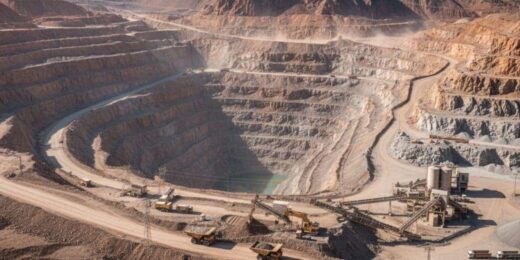
In the years that followed, this technology rapidly evolved. China quickly became the global leader in large-scale floating solar deployment. They built massive installations on lakes, reservoirs, and even abandoned mining pits. Soon after, other nations began following suit. This includes India, South Korea, Australia, and the United States.
What set this floating solar apart wasn’t just its ability to conserve space; it was its surprising performance advantage. Floating solar not only preserves land, but it also produces more power per panel. The reason lies in nature itself. Water acts as a built-in cooling system and a cleaner, less dusty environment for solar modules to thrive.
Global research continues to show the scale of this opportunity. Analysts estimate that if even a fraction of the world’s reservoirs were equipped with floating solar arrays, the resulting power could exceed current global electricity demand. That extraordinary potential makes floating solar one of the most promising frontiers in renewable energy’s evolution.
Smarter Systems Powering a Sustainable World
The rise of floating solar isn’t happening in isolation. It’s part of a broader, irreversible movement toward sustainable, high-efficiency power. Around the world, governments and utilities are investing heavily to meet ambitious net-zero goals while securing independence from volatile fossil fuel markets.
Solar energy leads that charge. It accounts for over 75% of new global renewable capacity added in 2024. But as demand grows, so do space and cost constraints. Traditional ground-mounted systems require large, flat parcels of land. This often leads to environmental trade-offs, high acquisition costs, and slow permitting processes.
Floating solar elegantly solves these problems. By converting underutilized water surfaces into valuable energy assets, it makes clean power generation incredibly space-efficient and less taxing on existing infrastructure. A major benefit is that many floating photovoltaic projects can directly link up with existing hydroelectric facilities. This drastically cuts down on transmission costs and permitting times.
The U.S. National Renewable Energy Laboratory (NREL) estimates that man-made reservoirs alone could support over 1 terawatt (TW) of floating solar capacity. That’s enough to power hundreds of millions of homes. The scalability of this technology, combined with its low ecological footprint, positions floating solar as both a practical and sustainable solution for the decades ahead.
Why Floating Solar Panels Efficiency Outperforms Land-Based Systems
At first glance, solar panels floating on water might look like an engineering novelty. In reality, there’s hard science behind their superior output. Floating solar panels efficiency advantage comes from several key environmental and design factors that work together to create optimal operating conditions.
1. The Cooling Effect
Heat is arguably the single biggest enemy of solar panel efficiency. Photovoltaic modules are rated for power output at a Standard Test Condition (STC) of 25°C (77°F). When module temperatures rise above this ideal point—which they easily do on a sunny day—voltage drops, and performance decreases. Output typically falls by 0.3% to 0.5% for every degree Celsius above 25°C.
In hot climates, land-based panels can easily reach 50°C to 70°C. This leads to substantial, chronic energy losses. Floating solar acts as a natural thermal countermeasure. The large body of water beneath the array serves as a continuous, massive heat sink. It constantly draws thermal energy away from the panels.
Evaporative cooling from the water surface and consistent air movement across open water dissipate heat more effectively than ground-mounted arrays. Ground systems trap heat against soil or mounting structures.
The Science Behind It: When solar panels heat up, their semiconductor materials experience increased electrical resistance. This resistance causes voltage to drop, meaning less energy is converted from sunlight into usable electricity. Over years of operation, the cumulative effect of lower average module temperatures in floating solar systems can translate to 5–15% higher total annual yield. This also means significantly slower long-term degradation.
2. Reduced Dust and Soiling (Less Maintenance)
Dust, pollen, debris, and environmental pollutants gradually accumulate on the surface of solar panels installed on land. This buildup, known as soiling loss, reduces light transmission. It can easily add up to several percent of annual production if not managed through intensive, costly, and regular cleaning cycles.
Floating systems inherently experience far less of this buildup. The environment directly over a body of water is naturally cleaner and less dusty. Fewer heavy dust particles circulate, and the moisture content in the air can actually help to rinse away small contaminants or prevent adherence. As a result, floating solar panels installations maintain higher light absorption. They require significantly fewer intense cleanings, reducing both O&M costs and system downtime.
Organizations planning floating solar deployments should familiarize themselves with specialized cleaning methods for water-based installations to maintain optimal performance and protect their long-term investment.
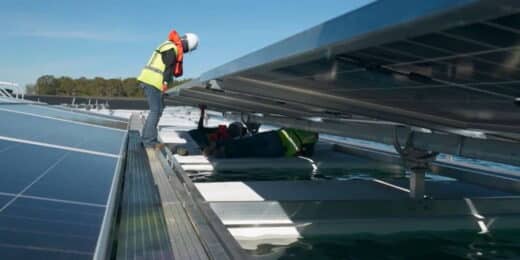
Reduced maintenance is a key feature. It directly translates to more consistent and higher energy output over the system’s 25 to 30-year lifespan. AccuSolar maximizes this benefit through a combination of thoughtful design and strategic innovation. We’ve partnered with Solaris Hydrobotics to integrate AI-ready, water-powered cleaning robots into our floating platforms. This collaboration automates maintenance, minimizes downtime, and ensures optimal, year-round performance. Every AccuSolar system is built for durability, stability, and ease of use, embodying the highest standards of marine engineering.
3. Reflectivity and Albedo Gain
Water’s ability to cool solar panels is well known, but its reflective power is equally significant. Calm or dark water surfaces produce the albedo effect. This is additional light energy that reflects upward onto the back side of solar arrays. When paired with bifacial solar modules, which are built to absorb light from both sides, this reflected energy becomes a direct and powerful contributor to the system’s total power generation.
The science behind this performance gain involves understanding the albedo effect and how water surfaces enhance light reflection, creating conditions that maximize energy capture from both direct and reflected sunlight.
Studies show that bifacial solar modules installed over water can achieve an extra 2–4% energy yield. This gain is influenced by factors such as water clarity, module tilt, and array height.
AccuSolar’s floating systems are engineered to capitalize on this effect. They feature bifacial panels paired with high-albedo floats that are designed to enhance light capture. This maximizes the extra yield, all while maintaining the system’s stability.
Although this gain seems small, the added benefits of superior cooling and cleanliness create a meaningful increase in overall performance. Over the system’s long operational life, these benefits compound dramatically. They deliver substantial lifetime value and an accelerated ROI.
Real-World Performance Proof
Floating solar panels efficiency is a proven winner. They outperform traditional land-based arrays across diverse global climates and scales.
For example, at Japan’s Yamakura Dam, panels consistently ran 10–15°C cooler than nearby land arrays. This led to a 13% higher annual energy output. This real-world superiority extends to maintenance, too. Pilot projects in California and India needed cleaning only twice a year, compared to six or more times for land arrays. They sustained higher light absorption rates year-round.
These measurable field results confirm that floating solar panels efficiency consistently delivers superior real-world energy performance.
Comparative Performance: Floating Solar Produces Up To 15% More Energy
To fully grasp how these efficiency factors translate to real-world power generation, it is helpful to look at a direct performance comparison between two hypothetical but identical systems:
| System Attribute | Land-Based System | Floating Solar System | Performance Factor |
|---|---|---|---|
| Capacity | 10 MW | 10 MW | Identical Hardware |
| Annual Energy Yield (Baseline) | 1,600 kWh/kW/year | 1,600 kWh/kW/year | Based on Location Irradiance |
| Efficiency Gain (Cooling & Cleanliness) | 0% | +10% (Conservative Average) | The “Floating Factor” |
| Total Annual Energy Output | 16.0 GWh | 17.6 GWh | +1.6 GWh / +10% gain |
This 1.6 million kilowatt-hour difference annually is enormous. It’s roughly the yearly energy consumption of 150 average U.S. homes, generated without installing a single extra panel or expanding the project’s physical footprint. Over a typical 25-year operational life, the floating system could generate around 40 GWh more electricity than its land-based counterpart. For utilities, large commercial operations, and municipalities aiming to meet ambitious renewable energy targets quickly and efficiently, this enhanced output translates directly into substantial, predictable returns. It also provides a significantly faster path toward clean power goals.
Solar Panels Over Water Benefits: Water Management and Sustainability
While maximum electrical efficiency is the primary driver, the solar panels over water benefits extend far beyond power output. Floating solar brings significant environmental, economic, and community advantages. This makes it a uniquely smart addition to modern energy and infrastructure planning.
Water Conservation and Reduction of Evaporation
Floating solar arrays provide a critical layer of shade over reservoirs, canals, and agricultural ponds. This shading significantly reduces surface water temperature and dramatically slows down the rate of evaporation. In some cases, it reduces evaporation by up to 50%. For areas suffering from persistent drought and water scarcity, this benefit preserves millions of gallons annually. It protects vital water resources for drinking and agriculture.
Improved Water Quality and Algae Control
By limiting sunlight penetration into the water column, shading from floating solar arrays slows the growth of harmful algae and cyanobacteria. This reduction in biological activity improves water quality, lowers the cost of water treatment, and mitigates the risk of water temperature fluctuations that can harm aquatic life.
Land Preservation and Ecosystem Protection
By utilizing existing water bodies, floating solar arrays protect valuable land. They never require clear-cutting, grading, or repurposing. This preserves ecosystems, farmlands, and forests. It offers an essential alternative in high-density areas like urban centers where land availability is severely limited and costly.
Infrastructure Synergy and Cost Savings
A large number of floating solar array installations are built on existing water utility sites. Most powerfully, they’re built on hydroelectric power reservoirs. These sites already have the necessary transmission lines, transformers, and grid connection points. This dramatically reduces the costs and permitting complexity typically associated with new renewable energy infrastructure build-out.
The combination of consistent performance, reduced maintenance requirements, and proven technology makes floating solar a reliable energy solution for utilities and municipalities seeking predictable, long-term power generation.
Understanding Solar Panels Over Water Benefits for Future Energy Planning
More than an engineering milestone, floating solar embodies a vision where renewable energy is both powerful and practical. This innovative technology efficiently leverages existing water surfaces to produce clean power. It simultaneously frees up and preserves precious land resources.
Setting a new standard for efficiency, AccuSolar combines innovative solar technology with durable marine-grade construction. Our systems are specifically designed to deliver exceptional energy output and simplified installation. This allows utilities and businesses to accelerate their journey toward sustainability.
Floating solar panels represent more than just a technical achievement. Their efficiency is a direct reflection of smarter engineering and optimal resource management. By leveraging the world’s most abundant resource—water—solar innovation has found its next major frontier.
The Power of Progress
Floating solar isn’t just an alternative to traditional ground-mounted systems; it’s a significant upgrade. By deploying panels on water, we gain immediate advantages. The water naturally cools the panels, keeping them cleaner. This leads to more consistent and higher energy yields than their land-based counterparts. This innovation directly addresses one of renewable energy’s core challenges. It delivers more power with a smaller footprint.
The future of solar is increasingly being reflected on the water’s surface. With documented benefits in energy production, sustainability, and environmental protection, floating solar is rapidly becoming the global benchmark for efficiency and smart design.
AccuSolar leads this transformation. We engineer high-performance floating solar platforms that blend our decades of marine engineering expertise with advanced photovoltaic technology.
Conclusion: Maximizing Floating Solar Panels Efficiency
Floating solar panels efficiency represents a fundamental breakthrough in renewable energy generation. The solar panels over water benefits are clear and measurable: superior cooling performance, reduced maintenance requirements, enhanced energy yields, and significant environmental advantages. These factors combine to deliver up to 15% more energy than traditional land-based systems.
Understanding floating solar panels efficiency means recognizing that water-based solar isn’t just an alternative—it’s an optimization of existing solar technology. The solar panels over water benefits extend beyond electricity generation to include water conservation, ecosystem protection, and infrastructure cost savings.
Ready to harness the superior floating solar panels efficiency for your organization?
Contact AccuSolar to discover how our advanced floating solar systems can maximize your renewable investment and help power a cleaner, more sustainable future.